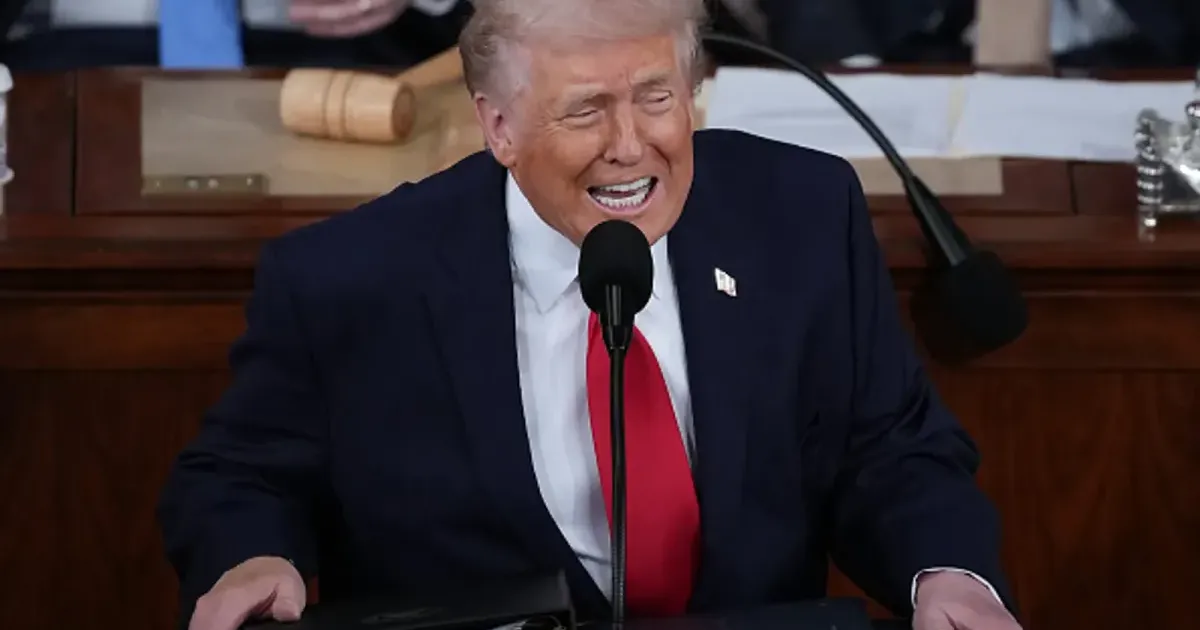
The GSA proposal targeting DEI policies would turn federal funding into a new legal battleground for schools and universities.
GSA Finds a New Route Around Courts
Federal contractors and academic institutions across the United States face a potential financial reckoning as the General Services Administration (GSA) moves to eliminate diversity, equity, and inclusion (DEI) requirements from federal funding eligibility. This regulatory shift threatens to sever the financial lifelines of thousands of schools and universities that have integrated DEI into their core administrative and hiring frameworks. If the proposal survives the inevitable flurry of legal challenges, it will achieve through procurement policy what the Department of Education failed to accomplish through direct mandate. Administrators at major research universities express private panic regarding the scope of the GSA's plan. The proposal drew fresh attention on March 11, 2026, as schools prepared for a funding fight. While the Department of Education previously attempted a similar ban, federal courts blocked those efforts by citing a lack of explicit statutory authority. The GSA is now attempting a different path by framing DEI restrictions as a universal requirement for any entity receiving federal dollars, including those engaged in research contracts, construction projects, or specialized training programs. This strategy seeks to bypass the specific educational laws that previously tripped up the administration. It treats universities not as educational havens, but as federal vendors subject to the same strict procurement rules as defense contractors. Institutional dependency on federal grants has created a massive vulnerability. Major land-grant universities and Ivy League institutions alike rely on billions of dollars from agencies like the National Institutes of Health and the National Science Foundation. The GSA proposal would force these institutions to choose between their internal cultural initiatives and their external funding sources. Compliance is no longer a matter of ethics. Legal experts suggest the GSA is relying on its broad powers to set terms for federal acquisition and assistance. By defining DEI programs as discriminatory or contrary to the public interest, the agency aims to create a uniform standard for all recipients of federal largesse.
Critics argue this represents an overreach of the Administrative Procedure Act, yet the GSA claims it possesses the inherent authority to ensure federal funds do not support ideologically driven hiring or training practices.
Universities Face a Funding Choice
The previous failure of the Department of Education's ban taught the current administration that narrow agency rules are too easy to strike down. A government-wide procurement standard presents a much harder target for judicial review. Public schools at the K-12 level are equally exposed to this fiscal threat. Federal funding for special education, low-income student support, and school meal programs often flows through complex administrative channels that the GSA now seeks to monitor. If a district receives a single federal grant for technology upgrades or infrastructure, the new rule would mandate the dissolution of any DEI-based staff positions or curriculum committees.
Educational leaders in progressive states have vowed to fight the proposal, but the reality of budget deficits makes defiance a dangerous game. The money is simply too large to ignore. Stanford University and the University of Michigan represent two institutions where DEI has become deeply embedded in faculty recruitment. For these schools, the GSA plan would necessitate a total overhaul of their human resources departments. They would need to remove diversity statements from job applications and dismantle equity offices that have operated for over a decade.
This move targets the very architecture of modern academia. Skeptics within the legal community believe the Supreme Court will eventually have the final word on whether the executive branch can use the power of the purse to dictate campus culture. Still, the GSA is moving forward with public hearings and notice-and-comment periods to formalize the rule by the end of the fiscal year. Constitutional scholars point to the Spending Clause as the likely battleground for this fight. When the government offers money, it can generally attach strings, but those strings must be unambiguous and related to the purpose of the funding.
The Spending Clause Fight Ahead
Opponents will argue that a DEI ban has nothing to do with the quality of a physics research project or the efficiency of a school lunch program. The GSA maintains that social engineering projects within recipient institutions create a hostile environment that undermines the efficiency of federal spending. They want a colorblind meritocracy at every level of the federal supply chain. Economic impacts on local communities could be severe if major universities lose their federal status. In cities like Baltimore or Boston, the university system is the largest employer and a primary driver of the local economy.
A sudden withdrawal of federal funds would lead to layoffs, the cancellation of construction projects, and a decline in student enrollment. Municipal-bond analysts have noted that the market for municipal bonds issued by these universities is already showing signs of volatility. Investors are beginning to price in the risk of a federal funding freeze. The uncertainty alone is enough to stall long-term planning. Resistance is forming among a coalition of civil rights groups and teachers' unions.
They argue that DEI programs are essential for addressing historical disparities and ensuring a safe environment for all students. Yet, their arguments are hitting a wall of political will in Washington. The GSA has indicated it will not grant exceptions for religious or private institutions that receive federal research money. Every entity that takes a check from the Treasury will be expected to fall in line with the new neutrality standards.
Why Federal Grants Are No Longer Neutral
Bureaucratic warfare has reached its logical, if absurd, conclusion. By weaponizing the General Services Administration, the current administration is effectively holding the American educational system hostage to a procurement manual. For decades, universities have functioned as state-subsidized laboratories for social experimentation, often at the expense of rigorous academic standards and intellectual diversity. The GSA proposal is a blunt instrument, but it is one that the educational establishment invited by making itself entirely dependent on the federal teat. If you live by the grant, you die by the regulation.
Critics will scream about academic freedom, but they rarely mention that true freedom requires financial independence. These institutions have traded their autonomy for a steady stream of Washington dollars, and now the bill has come due. Whether one agrees with the merits of DEI is secondary to the larger lesson: the federal government is no longer a passive benefactor. It is an activist owner. Expect the GSA to use this same playbook for every cultural flashpoint in the future, from climate mandates to labor requirements.
The era of the neutral federal grant is dead, replaced by a system where every dollar is a tool for ideological compliance. If schools want to keep their programs, they should try funding them themselves.