Capital Injection Targets Rising Middle Class in China and India

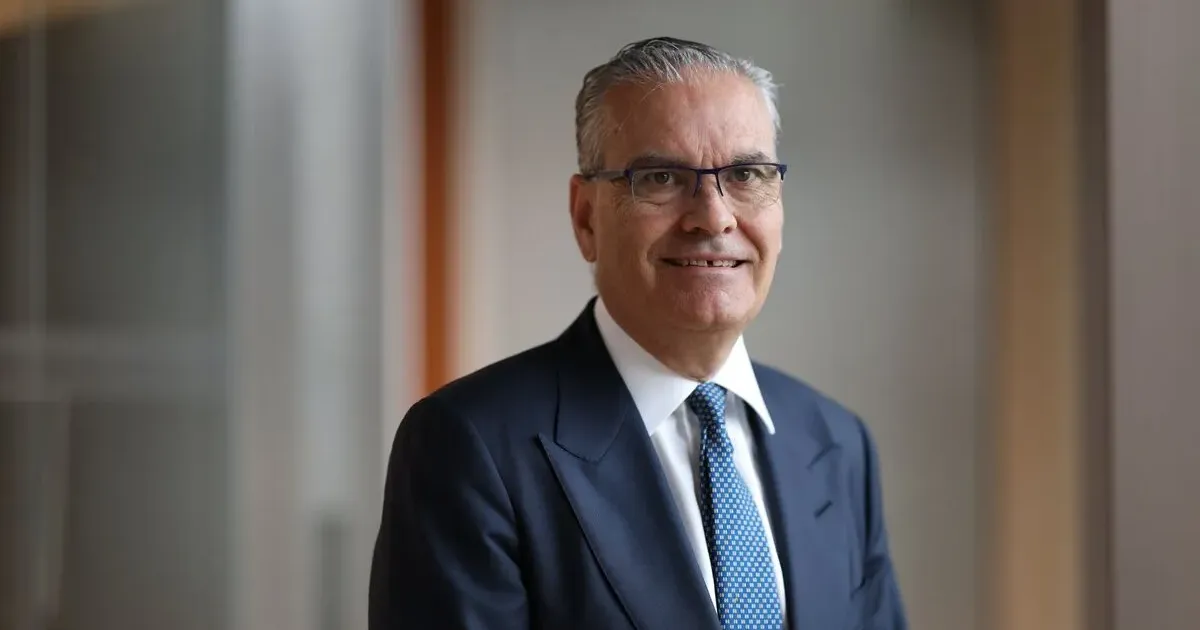
Brian McNamara, the man tasked with steering Haleon through its post-GSK independence, recently turned his gaze eastward with a clarity that surprised some analysts. Recent board meetings resulted in a definitive commitment to the Asian market, beginning with a 65 million pound investment in a new oral health facility in Shanghai. This 65 million pound investment represents roughly 87.2 million dollars and acts as a cornerstone for the company's 2026 expansion strategy. Expanding operations in mainland China serves a dual purpose by lowering local production costs and securing a foothold in a region where dental hygiene products are seeing double-digit demand growth. Leaders at the consumer health giant believe that localizing supply chains is no longer optional in an era of global shipping volatility.

Construction on the Shanghai plant will begin immediately to support the massive demand for Sensodyne and other oral care brands. Shanghai remains a strategic choice because of its existing industrial infrastructure and proximity to high-growth coastal cities. McNamara recently told Bloomberg that China and India are not just secondary markets but essential pillars of the company's long-term product portfolio. Such a large capital commitment signals that Haleon is moving past its debt-reduction phase and into an era of aggressive geographic capture. Shareholders have watched the company carefully since it split from GlaxoSmithKline and Pfizer. These investors now demand not merely steady dividends from toothpaste and pain relief.

Scaling a consumer health business requires not merely capital.

Developing markets like India present a different set of challenges compared to the established retail networks of Western Europe. India's consumer base is younger and increasingly mobile, driving a surge in digital sales for over-the-counter health products. McNamara plans to use a combination of organic growth and tactical acquisitions to penetrate smaller urban centers across the subcontinent. Still, the competition remains fierce as Kenvue and local Indian manufacturers fight for shelf space in pharmacies that are rapidly modernizing. This strategic shift reflects a broader trend among Western firms to diversify away from stagnating domestic markets in favor of the Indo-Pacific region.

Tactical Acquisitions and Market Consolidation

Merger and acquisition activity will likely accelerate in the coming fiscal year as Haleon seeks local brands that resonate with regional tastes. McNamara highlighted his intent to look for assets that complement existing lines in oral health and pain management. Financial analysts at Reuters noted that Haleon’s balance sheet has improved sharply over the last twenty-four months, providing the necessary dry powder for such deals. While some competitors are retrenching, Haleon is using its newly found autonomy to outpace rivals. But the success of this M&A push depends on the company's ability to integrate local management teams without stifling their entrepreneurial culture.

Oral health remains the most profitable segment for the company in the Asian theater. Cultural shifts in China regarding preventative dental care have opened a window for premium products like Sensodyne to dominate the market. Recent data from the Shanghai municipal government indicates that middle-class households are spending 15% more annually on specialized hygiene products than they were three years ago. McNamara sees this trend as a long-term trajectory rather than a temporary spike. By placing the manufacturing plant directly in the heart of this demand, Haleon cuts out significant logistics hurdles and bypasses many of the import tariffs that previously squeezed margins.

However, the geopolitical climate adds a layer of complexity to any large-scale investment in the region. Trade tensions between Beijing and Western capitals can lead to sudden regulatory shifts that catch multinational corporations off guard. McNamara and his team are betting that the essential nature of consumer health products will insulate them from the harshest political winds. People still need to brush their teeth and treat their headaches regardless of who sits in the president's office. This aggressive posture suggests that Haleon is willing to tolerate some political risk in exchange for the sheer volume of the Chinese consumer market.

Operational Efficiency and Future Outlook

Efficiencies gained from the Shanghai facility will likely be reinvested into research and development for products specifically designed for Asian biology and preferences. Scientists in the company's regional labs are already testing herbal-infused variants of existing brands to better align with traditional Chinese medicine trends. India presents similar opportunities for localized innovation. Markets there have shown a strong preference for smaller packaging sizes that allow for lower entry price points for rural consumers. McNamara’s strategy involves tailoring every aspect of the business, from the factory floor to the store shelf, to fit these local realities.

Profitability in the first half of 2026 has remained resilient. Market watchers in London and New York are currently weighing the impact of Haleon’s Asian pivot on its stock valuation. Some Bloomberg contributors suggest that the expansion is necessary to justify the high multiples at which consumer health companies often trade. Others point out that the high cost of the Shanghai plant might weigh on short-term earnings. McNamara remains undeterred by these critiques, focusing instead on the fact that billions of people in China and India are entering their peak spending years.

The math of population growth is undeniable.

Looking ahead to the end of the decade, the percentage of Haleon’s revenue derived from Asia is expected to eclipse its European operations. Achieving this will require flawless execution of the new plant’s construction and a disciplined approach to buying up smaller competitors. Debt management will also remain a priority, as the company still carries the legacy of its massive spin-off from GSK. Investors will get their next look at the progress of the Shanghai facility during the autumn earnings call. For now, the focus remains on breaking ground and securing the supply chains that will define the next chapter of the company's history.

The Elite Tribune Perspective

Western corporate boardrooms harbor a dangerous delusion regarding the permanence of Asian consumer loyalty. Brian McNamara is doubling down on China at a time when other conglomerates are quietly executing their exit strategies. While a 65 million pound investment in Shanghai might look like a bold expansion on a spreadsheet, it feels more like a desperate attempt to find growth in a world where Western markets have reached total saturation. Haleon is betting that it can win a war of attrition against local Chinese and Indian brands that possess lower overhead and deeper cultural roots. History suggests that when the economic winds shift, Beijing prioritizes its national champions over foreign interlopers every single time. McNamara claims that toothpaste is immune to politics, but he ignores how quickly regulatory probes or state-sponsored boycotts can evaporate a brand's market share overnight. Shareholders should stop cheering for these expensive brick-and-mortar commitments and start asking why the company isn't more focused on the looming threat of e-commerce disruption in these regions. The Shanghai plant is a monument to an old-world way of doing business in a continent that is moving faster than Haleon’s aging corporate structure can handle.