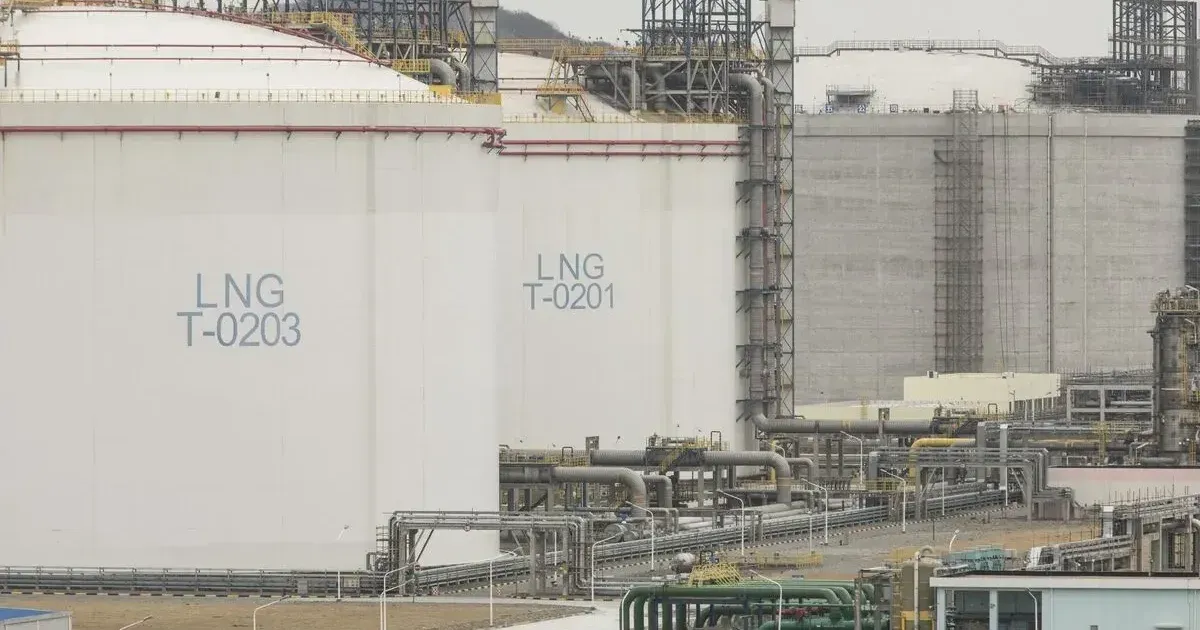
High prices are forcing Chinese buyers to become more selective in the global liquefied natural gas market. The pressure is visible in spot cargo decisions, industrial fuel planning and the balance between contracted supply and short-term purchases. On March 27, 2026, traders were watching whether softer Chinese demand would cool a tight market.
Chinese LNG imports are sensitive to price because buyers have alternatives. Pipeline gas, domestic production, coal and renewables all compete with imported LNG in different regions and seasons. When spot cargoes become too expensive, utilities and industrial users can delay purchases or lean harder on contracted volumes.
The issue is not simply that China needs less gas. It is that buyers want gas at prices that fit power demand, industrial margins and government affordability goals. A cargo that makes sense during a cold snap may look uneconomic when weather is mild or factories are running below capacity.
Spot Prices Are Testing Demand
The global LNG market reacts quickly to changes in Asian buying. If Chinese firms step back from spot tenders, cargoes can move toward Europe or other Asian importers. If they return suddenly, prices can tighten again because flexible supply is limited. Long-term contracts soften some of that volatility. Chinese companies have signed major supply deals to reduce dependence on the spot market, but contract cover does not eliminate exposure. Portfolio players still decide when to resell, divert or supplement cargoes based on price signals.
spot LNG prices also affect smaller buyers more sharply. Large state-linked firms can manage portfolios across contracts, storage and downstream customers. Smaller industrial users often face the cost more directly, which can reduce gas consumption when margins are already thin.
Coal and Renewables Shape the Choice
China's energy system gives gas a complicated role. Gas is cleaner than coal at the point of use and can help balance grids with rising wind and solar output. Yet coal remains abundant, politically important and often cheaper for power generation.
That means LNG demand is not guaranteed to rise smoothly. If prices are high, local governments and utilities may prioritize cheaper fuels, especially where air-quality constraints are less urgent. If policymakers emphasize emissions reduction or winter heating security, gas demand can strengthen even at higher cost.
Renewable growth adds another variable. More solar and wind can reduce gas burn in some periods, but intermittency can also increase the value of flexible gas-fired power. The result is uneven demand, with regional differences that make national import totals difficult to read as a single signal.
What It Means for Global Sellers
LNG exporters need China because its buying scale can absorb large volumes, but they also need price discipline from Chinese customers to avoid demand destruction. Producers in Qatar, Australia and the United States watch Chinese tenders as a measure of whether the market can support new supply projects.
When prices climb too far, buyers may delay final investment expectations by showing that demand is more elastic than sellers hoped. That can complicate financing for new liquefaction projects that depend on assumptions about steady Asian growth. energy security remains the reason China will keep building optionality. More terminals, storage and contracts give buyers tools to respond to shocks. The question is how often they will use those tools at premium spot prices.
LNG Demand Shock
For now, weaker price-sensitive demand from China can ease pressure on other importers. Europe, South Asia and smaller Asian economies all benefit when fewer Chinese buyers chase the same cargoes. The effect can reverse quickly if weather, industrial output or policy guidance changes.
The larger lesson is that China is no longer just a growth story for LNG sellers. It is a sophisticated buyer with choices, bargaining power and a willingness to step back when the price does not fit. That behavior may become one of the main stabilizers, or disruptors, of the global gas market. Storage levels will be another signal. If buyers have enough inventory before peak demand periods, they can resist high spot offers and wait for a more favorable window. If inventories fall or weather turns extreme, the same buyers can return quickly and tighten the market. That optionality is exactly why terminal capacity and contract diversity matter. China wants bargaining power, not just fuel. Sellers who assume automatic demand growth may misread a buyer that is increasingly willing to optimize across fuels, regions and seasons. The next phase of the LNG market will be shaped as much by Chinese purchasing discipline as by new liquefaction supply. For Beijing, that discipline also supports a broader industrial strategy. Paying any price for imported gas would weaken manufacturers, local utilities and households already dealing with uneven demand. By stepping back from expensive spot cargoes, buyers send a message that supply security does not mean price indifference. That message matters to exporters planning multi-decade projects. They need confidence that China will keep buying, but they also need to understand that Chinese demand will not rescue every overbuilt supply forecast. The market is becoming less about hunger for volume and more about the terms on which that volume is accepted. The timing of new supply will decide how much leverage buyers keep. If several export projects arrive while Chinese demand remains price-sensitive, importers can negotiate harder and avoid panic buying. If project delays collide with a cold winter or a fast industrial rebound, sellers regain power quickly. That uncertainty is why long-term contracts still matter even in a flexible market. They give China a base of supply while preserving the option to reject expensive spot cargoes. In that sense, weaker imports at high prices are not a sign of retreat from gas. They are a sign of a buyer trying to set the rules of engagement. That bargaining posture will matter as new U.S. and Qatari supply competes for Asian contracts. Sellers want certainty; China wants flexibility. The final price will be shaped by that tension as much as by weather or storage.