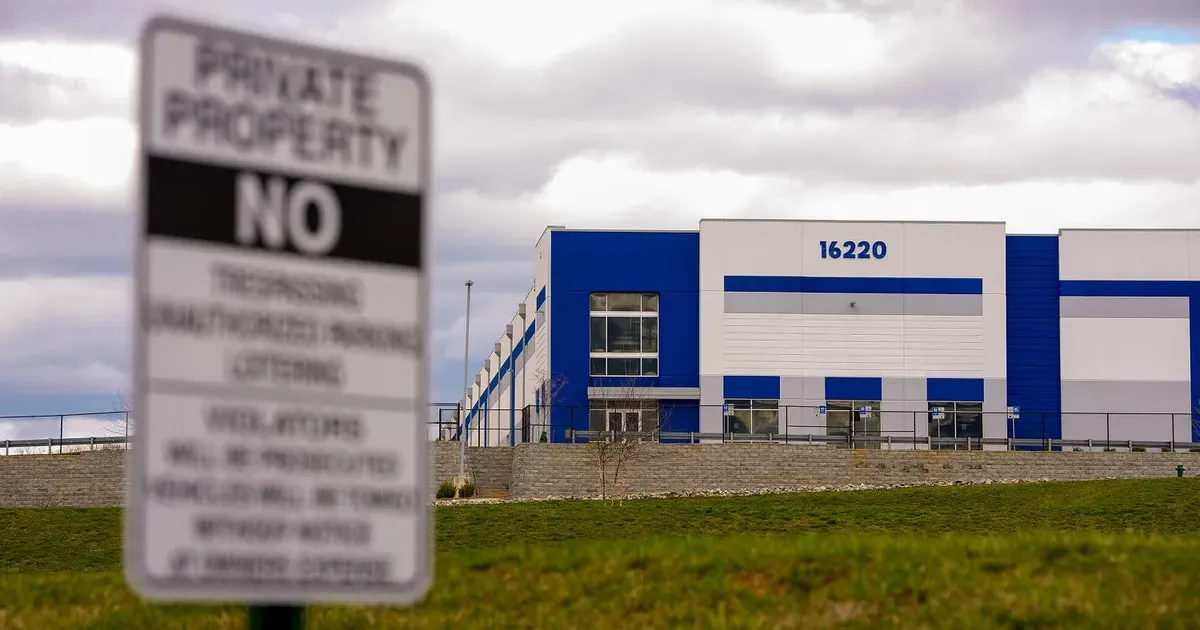
Department of Homeland Security officials confirmed that the agency suspended plans to acquire new detention warehouses. Honolulu police records simultaneously show a 52-year-old man suffered a brutal beating in Waikiki when bystanders misidentified him as an ICE officer. Video footage of the incident surfaced on social media platforms, capturing three individuals kicking the man while he lay prone on the pavement. By April 1, 2026, the detention pause had become another sign of strain inside Homeland Security operations. One assailant continued to strike the victim in the face even after the 52-year-old appeared to lose consciousness. Witnesses reported that the group targeted the man because he wore a tactical vest emblazoned with the letters ICE. Honolulu police eventually intervened at 8:12 p.m. on a Saturday night to secure the scene.
DHS leadership clarified later that the victim had no affiliation with the federal government. anyone caught impersonating a federal immigration agent will be prosecuted to the fullest extent of the law A spokesperson for the agency stated that such impersonation erodes trust in legitimate law enforcement. Anyone mimicking an officer puts themselves and the public at risk of violent escalation. Federal law under 18 US C. § 912 prohibits the false assumption of federal authority, a felony that carries meaningful prison time.
Prosecutors in Hawaii are currently reviewing the case to determine if federal charges apply to the victim for his choice of attire. Law enforcement specialists noted that the incident occurred in a high-traffic tourist area, where political tensions often intersect with late-night local activity.
Legislative gridlock in Washington complicates these security concerns as funding for the Department of Homeland Security remains a point of contention. Democrats in Congress recently targeted the ICE budget by blocking broader agency appropriations. Funding intended for the Transportation Security Administration suffered collateral damage because of this strategy. Airport security agents now face the prospect of unpaid shifts or reduced operational capacity due to the legislative stalemate. Democratic leadership argued that restricting ICE resources is necessary to force a change in detention policies. National security analysts, however, noted that cutting the overall department budget often weakens non-partisan agencies like the TSA.
Honolulu Police Investigate Assault on Misidentified Civilian
Honolulu investigators confirmed that a 15-year-old male faces charges of attempted assault in connection with the Waikiki beating. Initial reports listed the charge as second-degree assault, but prosecutors later reduced the severity of the offense. Police reports describe the victim stumbling away from the scene with a bloody nose and facial trauma. The department has not released the identities of the suspect or the victim. Records indicate the confrontation began when a small group threw liquid at the man in the tactical vest. Three individuals then pulled him to the ground to begin the physical attack.
Security experts expressed concern that such incidents reflect a growing hostility toward federal personnel. Some officers have requested permission to wear masks to hide their identities during enforcement actions. The Honolulu incident proves that even civilians wearing fake uniforms are not safe from the fallout of political polarization. Officials at the Department of Homeland Security emphasized that they do not authorize civilians to use official markings for personal use. They also noted that legitimate agents follow strict protocols during public encounters to avoid such chaotic confrontations. The 52-year-old victim was treated for his injuries at a local hospital before being questioned by detectives.
Suspects involved in the beating could face further legal action if federal investigators find the assault was motivated by the victim's perceived status as a government worker. While the man was not an agent, the intent to harm a federal officer carries specific weight in the penal code. Hawaii state law also provides for enhanced sentencing in cases of gang-style assaults. Investigators are scouring social media to identify the two other individuals seen in the viral video. The 15-year-old suspect remains in the custody of juvenile authorities.
Congressional Funding Disputes Impact Airport Security Operations
Legislative maneuvers to defund ICE have created a wider effect across the entire homeland security infrastructure. RealClearPolitics reported that the decision to block DHS funding over detention concerns directly hit the TSA payroll. Transportation security officers are often the first to lose funding when budget bills fail to pass. Travelers across the United States could experience longer wait times if the current budget deadlock persists. Security lines at major hubs like Hartsfield-Jackson and Heathrow-bound terminals depend on consistent federal outlays. Democratic lawmakers maintain that the moves are a tactical necessity to reform the immigration system.
The current budgetary dispute highlights the interconnected nature of the twenty-two agencies that make up the Department of Homeland Security. Funding for the Coast Guard and the Secret Service also sits in the balance when Congress fails to agree on ICE appropriations. Internal memos suggest that the TSA may have to furlough non-essential staff if a resolution is not reached within the next thirty days. Airport administrators in major cities are already drafting contingency plans for reduced staffing levels. Personnel at the Transportation Security Administration have expressed frustration over being used as leverage in a debate focused on the southern border. They argue that aviation security should be insulated from immigration policy fights.
Budgetary constraints often lead to reduced training hours and delayed equipment upgrades for security checkpoints. Modernizing explosive detection systems requires multi-year financial commitments that are currently unavailable. Democratic strategists believe the public pressure on travel will force the administration to concede on detention facility closures. Republicans counter that the strategy endangers the flying public for the sake of a political point. Airline industry lobbyists are now petitioning Washington to decouple TSA funding from the broader DHS debate. The stalemate shows no signs of breaking before the upcoming fiscal deadline.
Detention Facility Expansion Stalls Under Temporary DHS Pause
Two senior officials within the Department of Homeland Security told NBC News that the agency is pausing the acquisition of new warehouses. Plans to convert these facilities into immigrant detention centers are currently on hold. Officials stressed that the pause might be temporary while the agency reviews its current capacity. The move comes as the administration faces intense pressure from civil rights groups to reduce the reliance on large-scale detention. Logistics experts had already identified several sites in Texas and Arizona for these new facilities. Each warehouse was intended to hold hundreds of detainees in a climate-controlled environment.
Warehouse purchases represent a serious capital expenditure that requires clear congressional approval. Current detention levels are near capacity, forcing the agency to find creative solutions for housing. The pause on new acquisitions could lead to overcrowding in existing facilities. Critics of the pause argue that it will require the release of more migrants into the interior of the country. ICE leadership has warned that without additional space, their ability to conduct removals is severely hampered. Internal data shows that the agency currently manages over 30,000 detention beds across the United States.
Immigration and Customs Enforcement maintains that its detention network is essential for national security. This situation is further complicated by that many facilities be run by private contractors who require long-term guarantees. The Department of Homeland Security must balance these contractual obligations with the shifting political landscape in Washington. Recent lawsuits from advocacy groups have also slowed the expansion of the warehouse program. Legal challenges often cite the lack of adequate medical facilities in converted industrial spaces. The ICE warehouse program has been a foundation of the administration's plan to manage the surge at the border.
Operations at the border continue despite the uncertainty surrounding detention space. Border Patrol agents are processing thousands of individuals daily, many of whom are placed in alternative-to-detention programs. These programs use electronic monitoring or telephonic reporting instead of physical confinement. The effectiveness of these alternatives is a subject of intense debate among policy experts. Some argue that monitoring is more humane and cost-effective than warehouse detention. Others contend that only physical detention ensures that individuals appear for their court dates. The temporary pause on warehouse acquisitions gives the agency time to evaluate these competing strategies.
Operational Cost of the Pause
The detention pause reflects a system squeezed between enforcement goals and budget limits. Expanding beds without stable funding risks poorer conditions, while stopping growth can leave field offices with fewer options.
The politics are equally difficult. Lawmakers can demand tougher enforcement, but the department still needs money, staff and facilities that meet legal standards.