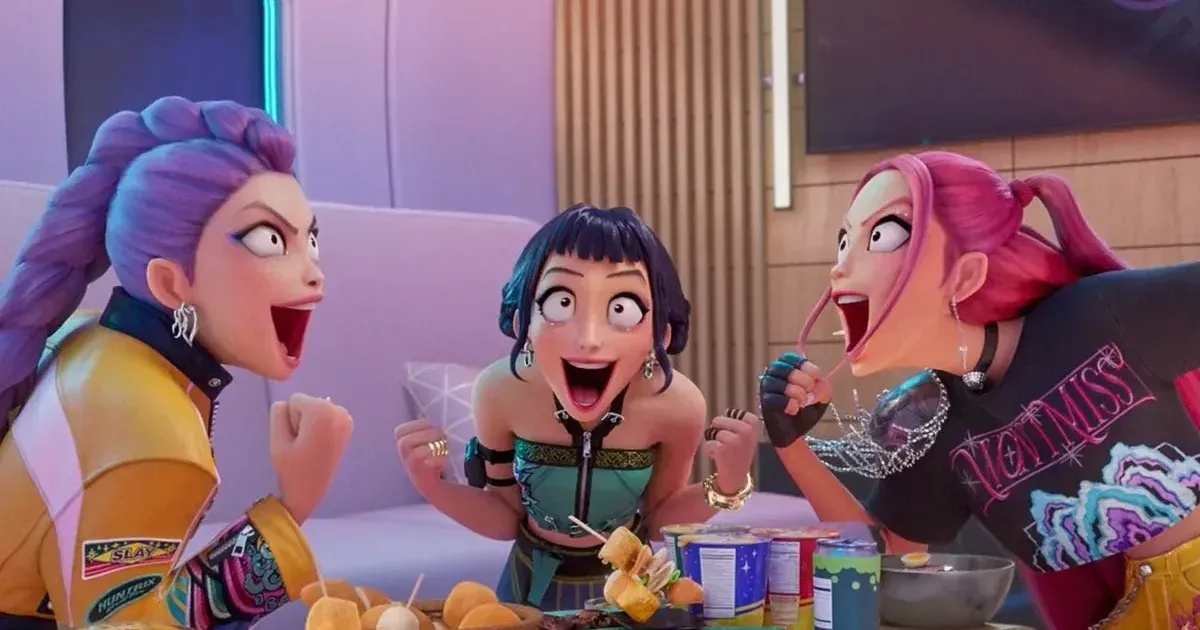
Netflix is bringing HUNTR/X back for a K-Pop Demon Hunters sequel, extending one of its most successful original animation bets into a broader franchise. The company confirmed in March 2026 that Maggie Kang and Chris Appelhans would return, giving the follow-up continuity after the first film's unusual mix of pop spectacle, folklore and action broke through globally. The sequel was clearly a business decision as much as a creative one. By March 13, 2026, the original title generated more than viewing hours. It created songs, characters, fan edits and a fictional group that could live across platforms. That was the kind of intellectual property streaming companies increasingly wanted.
A Pop Group Becomes a Franchise Engine
HUNTR/X gives Netflix something more flexible than a single movie title. The group can support music releases, merchandise, social campaigns and future stories without requiring audiences to learn a new world each time. For a streamer fighting churn, that repeatability is valuable. The challenge is avoiding the feeling that the sequel exists only because the first film sold well. Animated franchises can lose their spark when every surprise becomes a brand extension. Keeping the original directors involved should help protect the tone, but it does not guarantee narrative need.
K-Pop Style Travels Well on Screen
The first film worked because it treated K-pop aesthetics as part of the storytelling rather than decoration. Performance, choreography, fandom pressure and image management all fit naturally with a secret demon-hunting premise. That combination gave the movie a visual rhythm that stood apart from ordinary superhero animation. A sequel can deepen that idea by expanding the rivalries, industry satire and folklore behind the group. Reports of new antagonists and music-driven conflicts suggest Netflix understands that the soundtrack is not a side product; it is part of the plot machinery.
Netflix Animation Needs Wins
The announcement also matters inside Netflix Animation, which has faced cuts and strategic changes in recent years. A successful sequel would strengthen the case for original animated properties with global appeal, especially those that can cross language and music markets. The risk is overexposure. If the marketing becomes louder than the story, HUNTR/X could feel manufactured instead of alive. The best path is to let the sequel earn its scale through character stakes, not only bigger songs and brighter effects. For now, Netflix has made the expected move. It is keeping the creators, the group and the cross-media strategy together. The second film will show whether KPop Demon Hunters is a durable world or a hit that was most powerful when it still felt unexpected.
The music strategy will be central. If new songs feel like natural expressions of the characters, the sequel can expand the world. If they feel engineered only for playlists, audiences may sense the machinery. That distinction matters because the original success depended on fans believing in the fictional group as more than a marketing device.
The creative team also has room to explore the cost of fame. A demon-hunting pop group is a playful premise, but it naturally invites scrutiny of performance pressure, identity and the way entertainment industries package young artists. Those themes can give the sequel emotional weight without draining the fun.
Netflix will likely build a larger release campaign around the follow-up, including music drops and social-first promotion. That can help the film arrive as an event, but it raises expectations before viewers see a frame. The stronger the marketing machine becomes, the more the story needs to feel human.
The franchise now sits at a useful but risky point. It has enough popularity to justify expansion and enough novelty to lose if expansion becomes automatic. The sequel will need to prove that HUNTR/X still has something to discover.
The returning directors give Netflix a better chance of avoiding a hollow follow-up. Kang and Appelhans know the balance between comedy, action and pop performance that made the original work. A different team might have leaned too hard into one element and flattened the mix.
Voice casting will be another test. If the sequel brings back performers with real music credibility, the songs can travel beyond the film without feeling detached from it. That crossover power is rare, and it is one reason the franchise became valuable so quickly.
The broader animation market will be watching. Studios want original hits that can compete with established brands, but they often respond to success by copying the surface. The better lesson from KPop Demon Hunters is not simply to add music. It is to build a world where the music changes the story.
That is the standard the sequel now faces. Bigger choreography and brighter demons will not be enough unless the characters have a reason to return.
Fans will judge that quickly. A sequel can open with enormous goodwill, but online enthusiasm can reverse if audiences feel the characters have been turned into product mascots. Netflix has a hit; now it has to protect the feeling that made the hit spread.