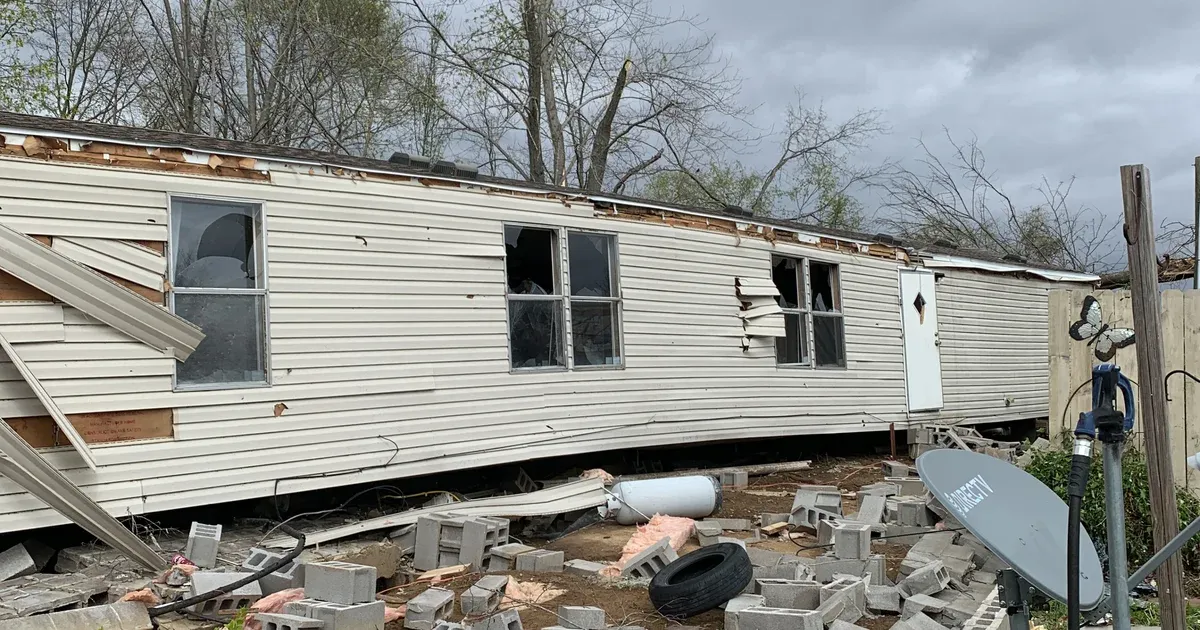
Illinois 911 dispatchers became the human bottleneck in a tornado emergency that moved faster than the system could comfortably handle. The storm damage was visible. The communications strain was less visible but just as important. By March 11, 2026, tornado emergency calls had exposed the fragile edge of public safety capacity across affected communities.
Call Volume Is a Warning
A severe weather outbreak can produce hundreds of urgent reports at once: injuries, trapped residents, blocked roads, gas leaks, downed wires and missing relatives. Dispatchers have to triage all of it while callers are frightened and information is incomplete. When call volume exceeds capacity, the delay itself becomes part of the emergency.
Infrastructure Needs Redundancy
Power outages and cell congestion can make the problem worse. Emergency managers need backup communications, mutual aid protocols, public alert clarity and alternate reporting channels that residents understand before the storm arrives. A plan announced during a crisis is often too late. The public also needs clearer guidance about call discipline. During a mass emergency, non-urgent calls can block people with immediate life-safety needs. That message has to be delivered before sirens sound, not while dispatchers are already drowning in reports.
Local governments should test surge routing the same way they test sirens. A tornado plan that assumes normal call volume is not a disaster plan; it is a fair-weather document with emergency branding. Regional coordination matters too, because a tornado does not respect county staffing models. Neighboring dispatch centers should know when and how to absorb overflow before the first major cell crosses the line.
Dispatch overload also affects field response. If calls stack up, crews may receive incomplete locations, duplicated reports or delayed information about hazards. That can slow rescue even when firefighters, police and medical teams are ready to move.
Public messaging before severe weather should include alternatives for non-emergency reporting. Residents need to know when to call 911, when to use utility lines, when to contact local emergency management and how to report damage after immediate danger has passed. That guidance cannot be improvised during sirens.
Technology can help, but it is not a substitute for staffing and regional agreements. Text-to-911, overflow routing and shared dispatch platforms all require training and maintenance. A system that exists on paper but has not been drilled will fail under tornado pressure.
After-action reports should include dispatchers themselves. They know where scripts broke down, which calls repeated, which tools slowed them and where public instructions were unclear. Leaving those workers out of the review would miss the people who saw the system fail in real time.
Residents also need to know that repeated calls can slow the system. In a mass emergency, one clear report with location and immediate danger may be more useful than multiple anxious calls about the same scene.
Counties should also test public alert language after the storm, not only siren function before it. If residents did not know where to shelter, which number to call or when to stay off roads, the emergency system has to treat that confusion as part of the failure map.
The After-Action Standard
The severe conclusion is that overwhelmed dispatchers are not the failure. They are the evidence of a system underbuilt for peak disaster. Officials should review staffing, routing, backup centers and public messaging while the experience is still fresh. Severe weather is becoming a stress test for local government. The next test will not wait for the report to be comfortable.