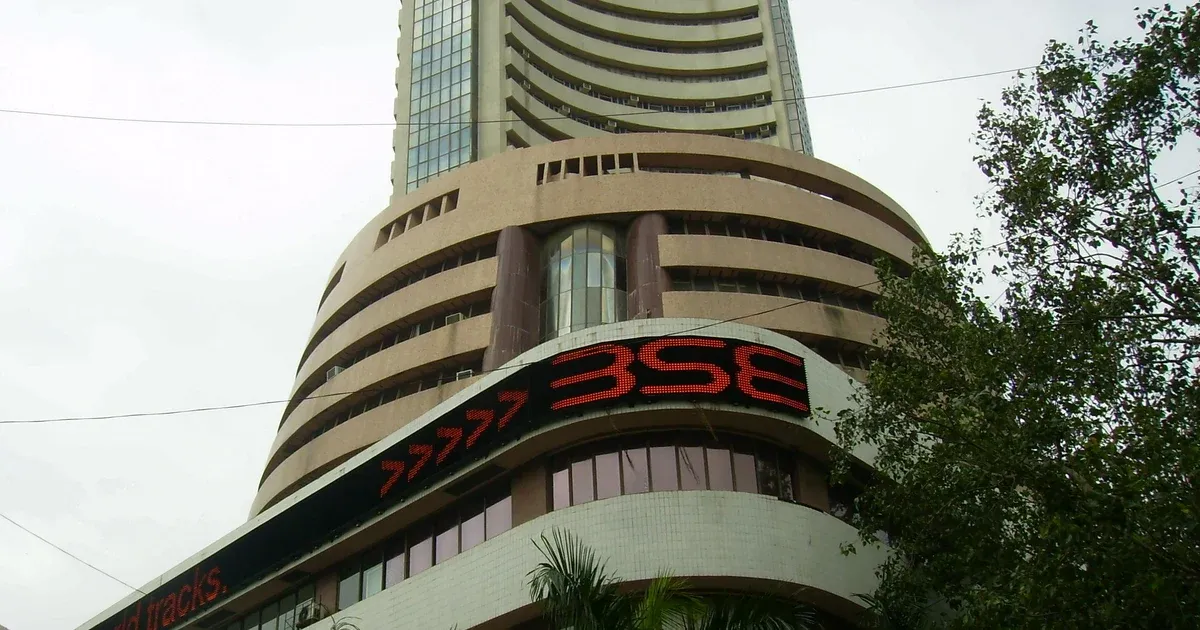
Indian stocks are falling as the oil shock pushes investors to reassess inflation, currency and growth risk. The selloff intensified on March 12, 2026
Oil Shock Rattles Mumbai Trading
Dalal Street woke up to a sea of red as geopolitical tensions in the Middle East finally broke the back of a months-long market rally. Investors watched in horror as the BSE Sensex shed over 900 points within minutes of the opening bell. Panic spread quickly across the trading floor in Mumbai, where the Nifty 50 slumped below the critical 23,600 support level, marking one of the most volatile sessions of the decade. Rising crude oil prices, fueled by the intensifying war between the United States and Iran, triggered an immediate sell-off across almost every sector of the Indian economy. India remains particularly vulnerable to energy shocks because it imports more than 80 percent of its petroleum needs. Brent crude surged past 130 dollars per barrel this morning, sparking fears that inflation will spiral out of control in the coming months. Energy markets are reacting to blockades in the Strait of Hormuz, where tanker traffic has ground to a halt. Shipping insurance premiums have tripled overnight, making the cost of bringing fuel to Indian shores prohibitively expensive. This price action reflects deep-seated anxiety about the duration of the conflict and the potential for a total shutdown of Persian Gulf exports. Traders across the Asia-Pacific region are pulling capital out of emerging markets as the dollar gains strength. New Delhi faces a fiscal nightmare if oil remains at these levels for an extended period. Government subsidies for fuel and fertilizer could balloon, widening the budget deficit and putting pressure on the Indian rupee.
Energy Dependence Hits the Market
Rupee stability has already become a major concern, with the currency hitting new historic lows against the greenback in early trade. Central bank officials are rumored to be intervening in the offshore markets to prevent a total collapse of the exchange rate. Conflict in the Middle East has historically been the Achilles' heel of the Indian growth story. Military strikes in Tehran and retaliatory moves against US bases have created a climate of extreme uncertainty that domestic policy cannot easily fix. Washington has warned that sanctions on Iranian energy will be enforced with maximum pressure, further squeezing global supply, as oil prices and currency pressure collided with India's growth narrative. Because India is the second-largest consumer of crude in Asia, any disruption to the flow of oil from the Gulf translates directly into higher prices at the pump for local motorists. Every percentage point increase in oil prices traditionally shaves a fraction off India's GDP growth. Corporate earnings are already showing signs of strain as logistics costs rise. Many analysts believe the Reserve Bank of India will be forced to hike interest rates to combat imported inflation, even if it risks slowing down industrial production. Such a move would be a double blow for an economy that was just starting to see a revival in private investment. Institutional investors are not waiting for the official data to confirm their fears; they are moving to cash or defensive assets as quickly as the liquidity allows. Retail participants, who have been a pillar of support for the Indian market over the last three years, are finally showing signs of fatigue.
Consumer Picks Become Defensive
Mutual fund inflows have slowed, and direct equity participation is dropping as household budgets are squeezed by rising grocery and fuel bills. This divergence suggests that the domestic liquidity cushion might not be enough to save the markets from a prolonged downturn if the US-Iran war continues to escalate. Macquarie analysts have responded to the crash by overhauling their consumer sector recommendations. While the broader market is falling, brokerage experts are identifying specific names that might weather the storm better than others. Macquarie has reiterated Outperform ratings on Titan, Marico, Trent, Godrej Consumer Products, and Lenskart.
These picks suggest a preference for brands with high pricing power and those that cater to more affluent urban consumers who are less sensitive to minor price fluctuations. Marico appears more attractive than Dabur in this environment, according to recent brokerage notes. Analysts argue that Marico's product mix and raw material sourcing give it a competitive edge during periods of volatile commodity prices. Titan remains a top pick because of its dominance in the jewelry and luxury watch segments, where demand often stays resilient even during economic uncertainty. Consumer discretionary spending might take a hit at the lower end, but luxury and premium segments are expected to hold firm for the time being.
Lenskart and Trent are also being touted as resilient players. Trent, which operates the Westside and Zudio retail chains, has shown a remarkable ability to manage supply chains and maintain margins.
New Delhi Faces Bad Options
Lenskart continues its aggressive expansion, betting that the structural shift toward organized retail in the eyewear space will continue regardless of macro headwinds. Every strategic move now focuses on identifying companies that can pass on higher costs to their customers without losing market share. DMart and Dabur are facing a more cautious stance from researchers. DMart, known for its low-price model, could struggle if its procurement costs rise faster than it can adjust its shelf prices. High-volume, low-margin businesses are the first to suffer when energy and transportation costs spike.
Smaller consumer goods companies that lack the scale of a Godrej or Marico are likely to see their margins vanish entirely by the end of the next quarter. Shipping rates are climbing for all types of cargo, not just oil. India's export sector, particularly textiles and engineering goods, is starting to feel the pinch as container availability drops and freight costs soar. Manufacturers in hubs like Tirupur and Pune are reporting delays in receiving critical components and shipping finished products to Europe and North America. Global supply chains are fracturing again, reminiscent of the disruptions seen earlier in the decade, but this time driven by kinetic warfare rather than public health crises.
New Delhi is reportedly considering a temporary cut in excise duties on fuel to provide relief to the common man. Such a move would provide immediate political cover but would further strain the national exchequer at a time when tax revenues are under threat.
Energy Security Is Market Security
Indian stocks fell sharply as Middle East conflict lifted crude prices and risk premiums. The rupee, inflation outlook and consumer-sector valuations came under pressure. Brokerage recommendations shifted toward companies with stronger pricing power. India's energy import dependence remains a structural vulnerability for markets.
Higher oil hits Indian stocks quickly because India imports most of its crude, so higher prices can weaken the rupee, lift inflation and reduce corporate margins. Transport, low-margin retail, consumer staples and import-heavy manufacturers are especially sensitive. The market reaction is not panic without cause. India can have strong domestic demand and still be exposed to a foreign energy shock.
Until that import dependence changes, every Gulf crisis will arrive in Mumbai through fuel costs, currency pressure and margin compression.