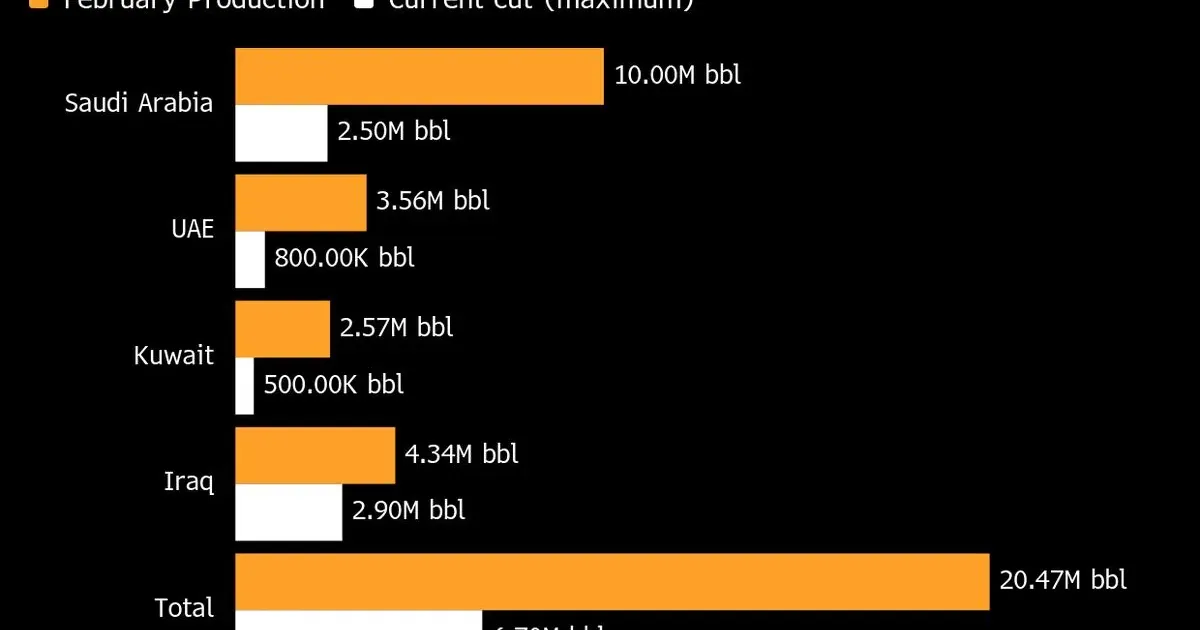
Emergency Stockpile Deployment Targets Soaring Crude Prices
Global energy markets braced for impact today when news broke of a historic proposal to flood the world with crude. March 11, 2026, began with high-stakes negotiations in Paris where the International Energy Agency (IEA) suggested the largest release of emergency oil reserves in its fifty-year history. Reports initially surfaced through the Wall Street Journal and were later corroborated by multiple financial outlets. These emergency stockpiles exist for moments of extreme supply disruption, but the scale of the current proposal suggests a desperation not seen since the 1970s. Traders in London and New York reacted with immediate volatility, swinging between gains and losses as the implications of such a massive intervention became clear.
Chaos reigns where clarity is absent.
White House officials struggled to provide a coherent narrative regarding the security of energy lanes in the Middle East. Financial Times reporters highlighted a growing rift within the Trump administration regarding naval escorts for tankers in the Strait of Hormuz. One faction of the National Security Council pushes for aggressive American military protection for every Western-bound vessel. Another group fears that such a commitment would draw the United States into an unending maritime conflict with regional powers. This internal friction has left ship captains and insurance underwriters in a state of paralysis. Without clear directives from Washington, the cost of insuring a single VLCC (Very Large Crude Carrier) has quintupled in less than a week.
Vandana Hari, the founder of Vanda Insights, shared a skeptical outlook during a broadcast on Bloomberg: The Asia Trade. She noted that while the IEA proposal aims to soothe the market, the actual mechanics of releasing millions of barrels from salt caverns and storage tanks take time. Hari pointed out that previous interventions often failed to produce long-term price stability because they addressed symptoms rather than the underlying geopolitical disease. Physical supply is only one half of the equation. Sentiment and the fear of a total shutdown in the Persian Gulf continue to drive the risk premium higher than any stockpile release can offset.
Mixed Messaging Cripples Maritime Security Strategy
Conflicting statements from the Pentagon and the State Department over the weekend added fuel to the fire. Secretary of State officials suggested that naval escorts were a certainty, but Defense Department spokespeople later clarified that no final decision had been reached. Such inconsistency makes it impossible for energy markets to price in the actual risk of a supply stoppage. If the Strait of Hormuz closes, even for forty-eight hours, the IEA reserves will look like a drop in the ocean. This naval uncertainty remains the primary driver of the current price spikes. Markets hate a vacuum, and the current administration has provided nothing but empty space where a strategy should be.
Economic repercussions are already being felt at the pump in both the United States and the United Kingdom. Gasoline prices in several US states topped six dollars per gallon this morning, prompting emergency meetings in the Oval Office. President Trump has repeatedly blamed international cartels for the surge, yet the Financial Times report suggests the blame may lie closer to home. Inconsistent policy regarding the protection of international shipping lanes has forced commercial fleets to take the long route around the Cape of Good Hope. Burning more fuel to deliver less oil is a recipe for a global inflationary spiral.
History provides few parallels for the current scale of the IEA proposal. During the 1991 Gulf War and the 2011 Libyan civil war, coordinated releases helped stabilize prices, but those disruptions were localized. The current conflict involves multiple regional players and threatens the very heart of global production. And unlike previous eras, the United States is now both a major producer and a major consumer, complicating its internal political response. Republican lawmakers are divided between those who want to drain the Strategic Petroleum Reserve (SPR) to lower prices and those who want to preserve it for a potential large-scale war.
The math does not work.
Crude oil production in the Permian Basin remains high, but it cannot replace the specialized heavy grades that flow out of the Middle East. Refineries in the Gulf Coast are optimized for the very oil that is now under threat of blockade. Still, the IEA remains the only international body capable of coordinating a response across dozens of member nations. If the proposal passes a full vote of the governing board, millions of barrels will begin moving toward the market by the end of the month. But delivery is not the same as consumption. Logistics experts warn that the global tanker fleet is already overstretched, and finding the hulls to move this emergency crude is becoming a secondary crisis.
Global Reaction and the Path Forward
European leaders have expressed cautious support for the IEA plan. They are particularly vulnerable to price shocks as they continue to transition away from Russian energy dependencies. Paris and Berlin view the stockpile release as a necessary bridge to prevent a total economic collapse during the winter months. Yet, the question remains whether the IEA can sustain such a release if the war drags on into 2027. Most experts believe the agency only has enough 'bullets' for one major intervention. If this release fails to break the back of the price rally, the global economy faces a period of prolonged stagflation.
Investors are now looking toward the next OPEC+ meeting for a counter-signal. There is a fear that the IEA's move will be seen as a hostile act by the cartel, leading to further production cuts to maintain price floors. This game of cat and mouse between consumers and producers has reached a fever pitch. Every time a new headline hits the Bloomberg terminal, billions of dollars in market cap evaporate or reappear in seconds. Such volatility is unsustainable for long-term industrial planning or consumer confidence.
The Elite Tribune Perspective
Stop pretending that a group of bureaucrats in Paris can solve a geopolitical nightmare with the stroke of a pen. The International Energy Agency is attempting to perform open-heart surgery with a butter knife by releasing these reserves. We are looking at a fundamental breakdown of the maritime security order that has underpinned global trade since 1945. When the United States fails to provide clear, decisive leadership in the Strait of Hormuz, the market correctly senses weakness. The IEA plan is not a solution; it is a confession of helplessness. Releasing oil from a salt cavern does nothing to stop a missile from hitting a tanker. Until the Trump administration decides whether it is an isolationist entity or a global hegemon, the price of oil will continue to be dictated by the loudest voice in the Middle East. Investors should stop looking at supply graphs and start looking at naval charts. The era of cheap, safe energy is over, and no amount of emergency tapping will bring it back. We are entering a period where energy is no longer a commodity but a weapon of war, and right now, the West is unarmed.