Abbas Araqchi rejected reports of a ceasefire request on March 16 as conflict between Tehran and Washington entered its third week. Abbas Araqchi dismissed assertions made by the White House regarding a plea for negotiations. Conflict continues to escalate despite American claims of total air and naval superiority in the region. Reports from the Students News Network confirmed that the Iranian government seeks a clear conclusion rather than a temporary pause in hostilities. Tehran remains defiant in the face of heavy bombardment. Its leadership maintains that survival itself amounts to a strategic victory against superior firepower. Military analysts note that the Islamic Republic has managed to project power through regional disruption. Donald Trump used social media over the weekend to declare that the Iranian Navy has disappeared and its Air Force no longer exists.
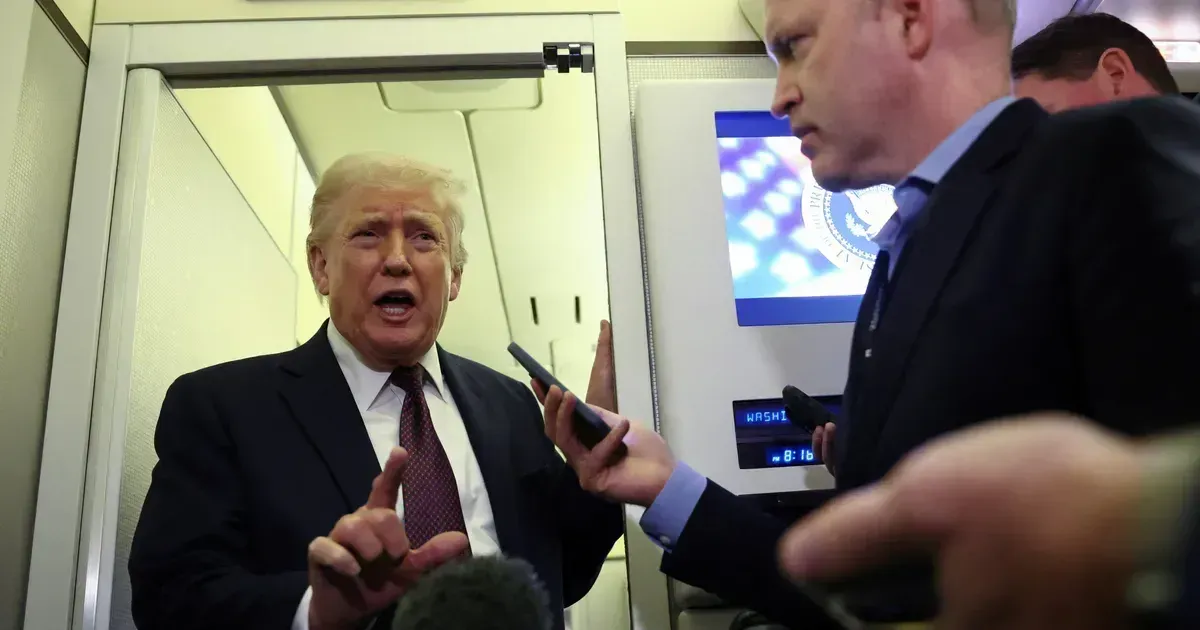
He claimed that missiles, drones, and leadership figures were being erased from the map. Such language contrasts sharply with the operational reality of the Strait of Hormuz blockade. The White House continues to push a story of imminent collapse. Air Force One carried the president back to Washington on March 15 as he briefed reporters on what he described as overwhelming progress. These briefings often omit the persistent threat posed by mobile missile batteries and asymmetric naval tactics. Trump told the Financial Times in an eight-minute phone interview that a lack of contribution from NATO members would have negative consequences for the future of the alliance. He warned that a lack of contribution from NATO members would have negative consequences for the future of the alliance. This demand for international intervention suggests that American forces have not yet secured the primary global energy artery. Iran now dictates who moves through the channel.
Iran Rejects Ceasefire Reports
Foreign Ministry officials in Tehran outlined a new, selective transit policy for the world's most critical oil chokepoint. Tehran announced that the waterway remains closed to enemies and those supporting military aggression. He clarified that non-combatant nations may transit if they coordinate directly with the Iranian Armed Forces. The Iranian Students News Network reported that direct authorizations are now required for every commercial vessel. This selective permeability allows the regime to maintain economic pressure on Washington while avoiding a total confrontation with neutral powers. Every ship entering the Gulf must now broadcast its intentions to Iranian coastal batteries. Meanwhile, NATO allies and China have received direct appeals from the White House to send warships to the region. China relies heavily on the Persian Gulf for its energy needs but has shown little appetite for joining a US-led maritime coalition. The global economy remains vulnerable to any further escalation that would halt the flow of 17 million barrels of oil per day.
Strait Blockade Keeps Energy Pressure High
The Pentagon has moved additional carrier strike groups into the North Arabian Sea to counter the blockade. Logistical challenges mount as Iranian forces use mountainous terrain to hide mobile launchers. Attacks on oil tankers continue to occur despite the presence of advanced Aegis combat systems. Western intelligence services suggest that the Iranian military retains extensive underground capabilities. Marine traffic data shows a complete halt of traditional shipping patterns through the Gulf of Oman. Satellite imagery reveals that while surface fleets have taken damage, the mosquito fleet of fast-attack craft remains operational in the shallow waters.
Previous conflicts in the Middle East saw much faster collapses of conventional air defenses. History shows that Tehran prepared for this scenario of isolated maritime warfare for decades. Iran is using its geographical advantage to offset its technological disadvantages in the air.
The diplomatic rift between the United States and its European partners is widening. President Trump continues to link maritime security contributions to the validity of mutual defense treaties. Some European capitals fear that joining the conflict will lead to direct retaliatory strikes on their own energy infrastructure or commercial treaty obligations.
Energy markets have reacted with extreme instability as the blockade enters its third week. Crude oil prices briefly touched $150 a barrel during Monday morning trading. Rising insurance premiums for cargo vessels have made the route practically uninsurable for Western-flagged carriers.
Minister Araqchi has used the economic chaos to strengthen his diplomatic leverage. Official statements from the Students News Network emphasize that the blockade will only end when all foreign forces exit the region. Tehran is betting that the global financial system will break before its own military command structure does during these negotiations.
But the White House shows no signs of backing down from its campaign of maximum military pressure. NATO remains divided on whether the Strait of Hormuz falls under the collective defense umbrella of the alliance. Conflict longevity now depends on whether the American public can tolerate a prolonged energy shock in pursuit of a total victory.
A Denial Keeps the Crisis Open
Did the White House truly believe that three weeks of precision bombing would dismantle a regime built on four decades of siege mentality? Donald Trump operates on the branding logic of a real estate developer, declaring a project finished before the foundation is even dry. By demanding NATO and China step in to clear the Strait of Hormuz, he effectively admits that the "disappeared" Iranian military still holds the world economy by the throat. This is not the behavior of a victor, but of a frustrated hegemon realizing that his maximum pressure has hit a brick wall of Persian strength.
Tehran has no reason to beg for a ceasefire when they can wait for global oil prices to do their negotiating for them. Washington's insistence on total victory is a dangerous fantasy that ignores the logistical nightmare of a protracted littoral war. If the Strait remains closed to enemies, the definition of an enemy will soon include any nation that cannot afford $150 a barrel oil. The administration's current path leads not to a new Middle East, but to a self-inflicted energy crisis that will shatter Western unity long before it topples the clerical establishment.