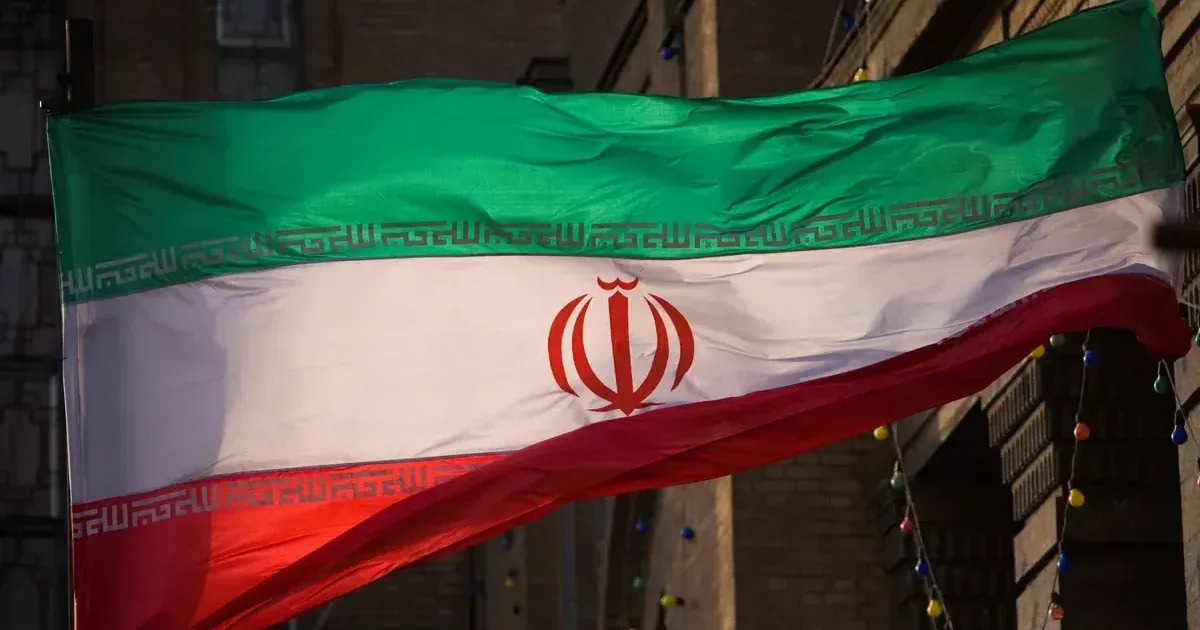
Iran's rejection of Trump's nuclear-material claim reopened doubts about the peace framework. President Donald Trump announced on April 17, 2026, that Iranian negotiators had agreed to relocate their entire stockpile of enriched uranium outside their national borders. Speaking during a telephone interview with CBS News, the American leader asserted that the Islamic Republic had surrendered on every major point of contention during the ongoing peace process. These assertions suggest a near-total capitulation by Tehran after months of economic pressure and targeted military strikes. Records from the White House indicate that the proposed agreement intends to dismantle the nuclear infrastructure that has defined Iranian foreign policy for decades.
Iranian foreign ministry officials immediately challenged this narrative through state media channels on Friday. Tehran insists that its current stocks of enriched uranium will remain within the country under all circumstances. Spokesman Esmaeil Baqaei clarified that no such transfer was ever approved by the Supreme Leader or the diplomatic team. Discrepancies between the two governments appear to center on the physical location of material used in the enrichment cycle. This conflict highlights a severe communicative rift between the two warring powers during a fragile two-week ceasefire.
Islamabad Negotiations and Enriched Uranium Stocks
Diplomatic efforts in Islamabad failed to produce a signed treaty last weekend because of these specific disagreements regarding nuclear fuel. While American representatives sought the immediate extraction of all fissile material, Iranian delegates refused to concede their domestic control over the fuel cycle. Reports from the Pakistani capital indicate that the atmosphere was tense as both sides retreated to their respective camps without a joint statement. The cessation of hostilities remains active, but the lack of a formal peace accord threatens to reignite regional combat operations.
Technical data suggests that Iran currently holds several thousand kilograms of uranium enriched to various levels of purity. Removing this material would effectively reset the Iranian breakout clock to zero, a primary objective for the Pentagon and its regional allies. President Trump told reporters that the United States would not provide any financial compensation for the logistics of the transfer. He specifically excluded Lebanon from any side deals or regional trade-offs associated with the nuclear file. International observers are monitoring the situation to see if a third-party nation might act as a repository for the material.
Pentagon Strategic Strikes and Nuclear Dust Retrieval
Trump introduced a new element into the public discussion by referencing what he termed nuclear dust created by the American B-2 bomber fleet. Last year, several stealth aircraft conducted sorties against hardened Iranian targets to degrade their subterranean enrichment capabilities. The President claimed on social media that the United States would soon obtain this material. Military analysts believe he is referring to contaminated debris or environmental samples collected from the strike zones. These sites have been under observation by satellite imagery since the cessation of active bombing runs.
Iranian state television dismissed these claims as rhetorical posturing designed for a domestic American audience. Baqaei stated that the sovereign territory of Iran is not a collection site for American salvage teams. The physical retrieval of such material would require a ground presence that currently does not exist within the Islamic Republic. TASS reported that the Russian government has not been approached to enable the transport of any radioactive material. Disagreements over the verification protocols for these strike zones persist as a hurdle for the International Atomic Energy Agency.
“Iran’s enriched uranium will not be transferred anywhere, and the claims suggesting otherwise are unfounded,” stated Foreign Ministry spokesperson Esmaeil Baqaei during a broadcast on Iranian state television.
Regional Security and the Strait of Hormuz Status
Tehran declared the Strait of Hormuz fully operational and open to international shipping during the current ceasefire period. This waterway is the primary artery for global energy exports, and its closure has previously spiked oil prices to record highs. Ensuring the free flow of tankers remains a requirement for any further diplomatic concessions from the American side. The Iranian navy has reportedly pulled back its fast-attack craft from the primary shipping lanes to demonstrate a commitment to the temporary truce. Commercial traffic has resumed at approximately 80% of its pre-war volume.
Bloomberg reports suggest that the Trump administration is pushing for a full deal that addresses both nuclear proliferation and regional maritime security. While the President describes a deal as almost closed, the rhetoric from the Iranian Foreign Ministry suggests a different reality. The two nations are navigating a complex de-escalation process where every public statement is scrutinized for signs of weakness. Within Washington, political rivals demand more transparency regarding the secret sessions held in Pakistan. Security at the Islamabad Marriott, where the talks occurred, was reportedly at its highest level in history.
Duration Discrepancies in the Proposed Peace Accord
Questions about the longevity of the potential treaty have surfaced following leaks concerning a twenty-year limit on enrichment restrictions. Trump denied these reports on Thursday, stating that the agreement contains a much stronger declaration from the Iranian leadership. He signaled that the terms would likely extend beyond two decades to ensure permanent compliance. Iranian officials have historically resisted any sunset clauses that they view as an infringement on their long-term energy sovereignty. The exact text of the proposed declaration has not been released to the public or the United Nations.
Diplomatic sources in Brazil noted that the Iranian government continues to link the nuclear issue with the removal of all Western sanctions. The Globo G1 news agency reported that the Iranian people are suffering from extreme inflation due to the blockade of their primary oil terminals. Trump maintains that no funds will be released until the uranium is physically accounted for and the enrichment facilities are decommissioned. This stalemate places the burden of proof on the Iranian technical teams to show they are serious about a permanent exit from the war. Only specific verifiable actions will satisfy the current White House administration. The ceasefire expires in seven days.
Nuclear Material Claims Test the Deal
Trump is employing a classic psychological operations tactic by declaring total victory before the ink is dry on any document. By claiming Iran has agreed to everything, he forces the regime in Tehran to either accept his terms or publicly appear as the party sabotaging the peace. It is a high-stakes gamble that ignores the internal political pressures facing the Iranian leadership. If the Supreme Leader concedes the enriched uranium stockpile, he loses his only remaining leverage against a second term of American maximum pressure. The Iranian denial is not just a rebuttal; it is a survival mechanism intended to keep their hardline factions from revolting.
The mention of nuclear dust and B-2 bomber strikes highlights a shift toward a policy of physical reclamation. Washington is no longer content with monitoring facilities; it wants to literally dig up the remnants of Iran's nuclear past to prove the efficacy of American munitions. The approach treats the Iranian nuclear program as a crime scene rather than a sovereign right. It is a confrontational stance that rarely leads to a stable diplomatic outcome. Expect the ceasefire to collapse unless a neutral third party, perhaps Russia or China, intervenes to house the disputed uranium stocks. Trump has backed Tehran into a corner from which there is no dignified exit.