Tehran Unleashes Advanced Ballistic Technology

Tehran’s skyline dissolved into a spectacle of kinetic fire Tuesday evening as the Iranian military deployed its most sophisticated hardware to date. Successive waves of multi-warhead missiles streaked across the horizon, targeting coordinates throughout the Persian Gulf. Iranian state media released high-definition footage of these launches, which appear to demonstrate a significant technological leap in the Islamic Republic’s ballistic capabilities. These projectiles utilize multiple independently targetable re-entry vehicles, a technology that complicates missile defense by forcing interceptors to track and engage several warheads from a single launch vehicle. This technological leap by the Iranian Aerospace Force has sent ripples through regional security circles. Military analysts in Washington suggest that the use of multi-warhead systems indicates a move toward overwhelming existing missile defense shields, including the American-made Patriot and Aegis systems currently stationed at Gulf bases. March 2026 has quickly become a month of unprecedented tactical shifts in a region already prone to volatility.

Iranian officials claim the missile barrages were a necessary response to escalating hostilities from the United States and Israel. State-run news outlets in Tehran insist that more than 10,000 civilian sites have been hit by Western and Israeli strikes since the start of the current hostilities twelve days ago. Reports from Al Jazeera indicate that the civilian death toll across Iran has reached 1,300, a number that continues to climb as search and rescue teams pick through the rubble of residential districts. While these figures remain difficult to independently verify, they contribute to a growing narrative of victimhood that Tehran uses to justify its broad military actions. Every strike from the air appears to be met with a more complex response from the ground, ensuring that the cycle of violence remains unbroken. Deep in the Persian Gulf, the tactical reality is shifting from conventional border skirmishes to a full-scale regional engagement involving advanced weaponry and high-stakes maritime maneuvers.

Successive strikes have not been limited to land targets.

Maritime Conflict Escalates Near the Strait of Hormuz

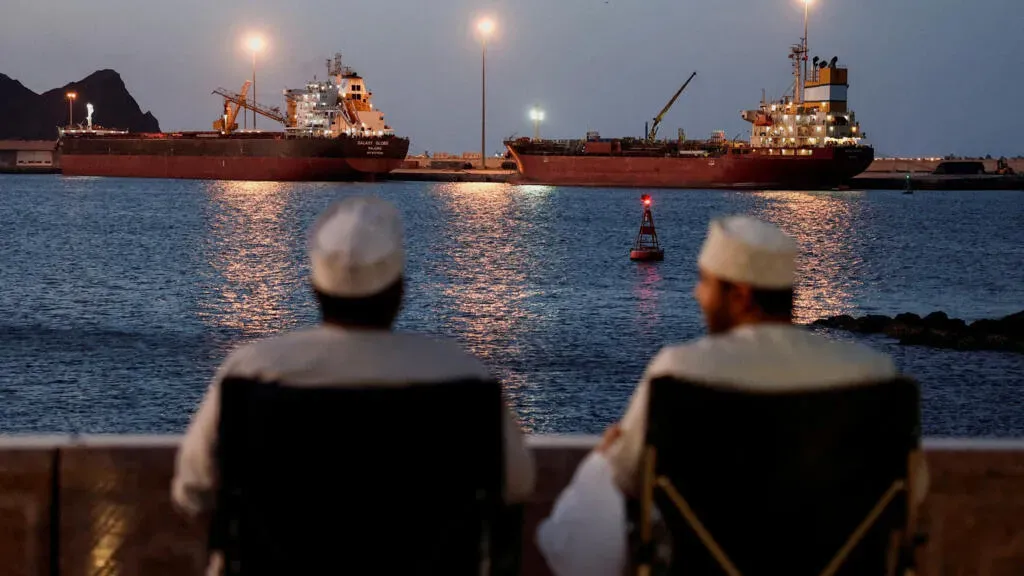
US Navy assets engaged and destroyed 16 Iranian mine-laying vessels on Tuesday during an intense maritime confrontation. These small but lethal ships were reportedly attempting to seed the narrow shipping lanes of the Strait of Hormuz with naval mines. Such a maneuver would effectively paralyze global energy transit. This maritime blockade attempt was thwarted by rapid response from American carrier strike groups, which used a combination of drone strikes and naval gunfire to neutralize the threat. France 24 reported that the engagement was one of the most significant naval battles in the region for decades. The destruction of these 16 vessels indicates a hard line from Washington regarding the freedom of navigation in international waters. American commanders emphasize that the safety of the global energy supply depends on these lanes remaining clear of Iranian interference. Still, Tehran has vowed to block regional oil exports entirely if its own ability to trade is further curtailed by Western military pressure.

Energy markets responded to the naval engagement with immediate and severe volatility. Brent crude prices jumped nearly 12 percent within hours of the report that the mine-layers had been sunk. Traders in London and New York are bracing for a prolonged disruption of the Persian Gulf war, which has now entered its 12th day of active combat. Ships currently at sea are being diverted to safer ports, while insurance premiums for tankers managing the Gulf of Oman have reached levels not seen in over forty years. Every barrel of oil that passes through this waterway is now shadowed by the threat of missile fire or underwater mines. Global supply chains, already strained by recent economic shifts, are facing a period of intense pressure that could lead to gas price spikes across Europe and North America. The math doesn't add up for a quick recovery if the fighting continues at this intensity.

Tehran's gambit is clear.

Casualties and Humanitarian Concerns Rise

Humanitarian organizations are sounding alarms as the conflict moves deeper into urban areas. Heavy strikes have hit Lebanon and various Gulf states, expanding the theater of war far beyond the initial borders of the dispute. Iran accuses the US and Israel of deliberately targeting infrastructure necessary for civilian life, such as water treatment plants and electrical grids. While Israel maintains it only targets military installations and Hezbollah storage sites, the sheer volume of ordinance falling on Lebanese and Iranian soil has inevitably led to collateral damage. Reports suggest that the 1,300 deaths cited by Tehran include hundreds of women and children. Despite the rhetoric of precision warfare, the reality on the ground is often messy and indiscriminate. Local hospitals in Tehran and Beirut are overwhelmed, struggling with a lack of medical supplies and the continuous arrival of wounded non-combatants.

Washington and Jerusalem remain undeterred by the civilian casualty reports coming from Tehran. They argue that Iranian-backed proxies and the Iranian military itself are using civilian areas to shield missile launchers and command centers. This strategy forces Western forces into a tactical dilemma where every strike carries a high political cost. Satellite imagery shows several launch sites positioned near schools and residential towers, a claim often used by Israeli Defense Forces to justify strikes in densely populated sectors. It is a grim calculation that characterizes modern urban warfare in the Middle East. Each side continues to blame the other for the mounting human cost, while the prospects for a ceasefire seem more distant than ever. Security experts note that the current escalation lacks an obvious exit ramp for either party.

The Elite Tribune Perspective

Sovereignty is becoming a memory in the Persian Gulf as the region descends into a firestorm of its own making. Washington’s insistence on surgical strikes and defensive posturing is failing to mask a fundamental truth about this 2026 conflict. The United States is being outpaced by Iran’s rapid adoption of multi-warhead technology and low-cost maritime disruption tactics. While the sinking of 16 mine-layers provides a temporary victory for naval commanders, it does nothing to address the thousands of missiles still hidden in the Iranian interior. Tehran has successfully changed the cost-benefit analysis of modern intervention by proving that even a superior military force cannot protect every tanker or every civilian site simultaneously. The conflict has moved beyond the point of mere containment. We are looking at a permanent shift in how energy security is enforced, where the old rules of carrier diplomacy no longer apply. If the US and Israel continue to rely on traditional air superiority to solve a problem rooted in asymmetric multi-warhead saturation, they will find themselves winning every battle while losing the broader war. The Persian Gulf is no longer a Western lake, and pretending otherwise only ensures a higher butcher's bill in the months to come.