Sea Mines Threaten Trade Routes
Reports from the Persian Gulf on the thirteenth day indicate a tactical shift that has caught Western naval planners off guard. Tehran has deployed an arsenal of sea mines to seal the Strait of Hormuz, effectively holding a fifth of the world's oil supply hostage. These simple devices resemble the spiky metal spheres seen in twentieth-century cinema, yet their impact on modern commerce is absolute. On March 13, 2026, mine fears turned a shipping problem into a global inflation risk. Naval marine warfare expert Scott Savitz from RAND notes that these weapons are unflashy and inexpensive to produce.
A single mine costs a few thousand dollars but can cripple a multimillion-dollar tanker upon contact. Historical data from the Strauss Center at the University of Texas reveals that such mines caused seventy-seven percent of US Navy ship casualties since 1950. While hypersonic missiles dominated the early headlines of this conflict, these archaic explosives now dictate the tempo of global energy markets. Energy markets responded to the maritime blockade with immediate volatility.
Global insurers are facing a risk profile that no longer fits ordinary pricing models.
Crude oil prices climbed toward 100 dollars per barrel as traders realized the extent of the disruption. Roughly 250 million barrels of crude currently sit stranded in the Gulf, unable to bypass the minefields. Commodity analyst Rory Johnston estimates that the blockage has already triggered a twenty percent increase in consumer gasoline prices. Two Iraqi oil tankers recently suffered damage in the Persian Gulf, resulting in one crew fatality and reinforcing the danger to civilian shipping.
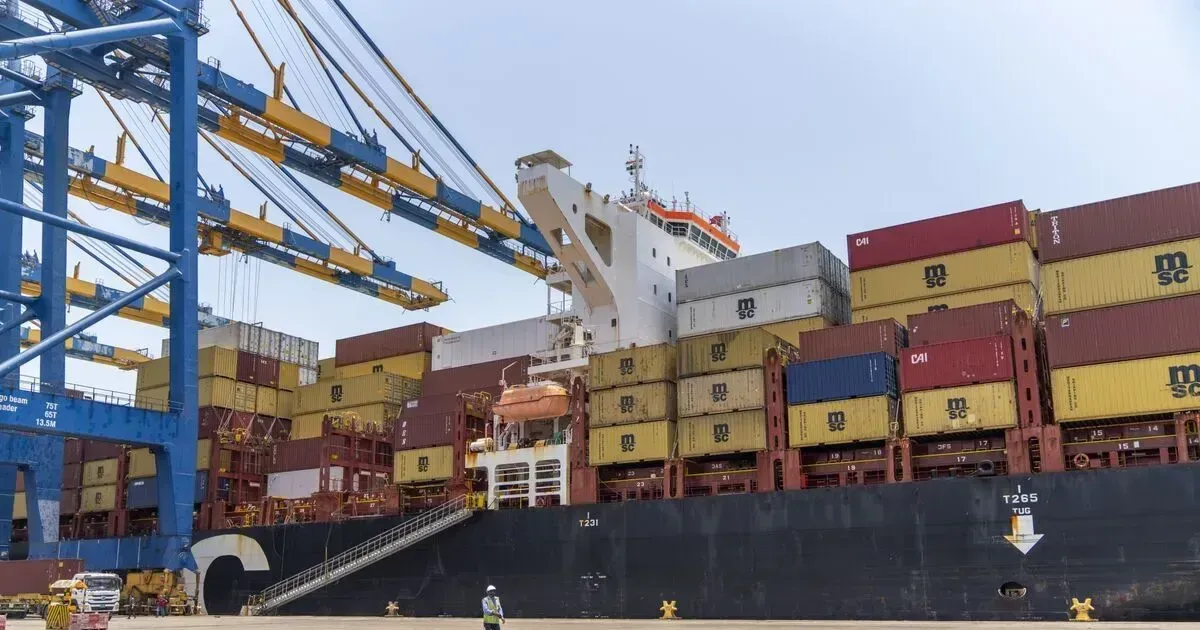
Shipping firms have suspended most transits through the region, fearing the catastrophic damage these ammonium nitrate-packed spheres inflict. That insurance shock is already reaching exporters. New Delhi is now drafting emergency relief measures for exporters whose business models have collapsed under the pressure of surging freight costs and severed supply lines. Government officials in India are discussing a support package modeled after the interventions seen during the 2020 pandemic.
Oil Moves Toward $100
Such measures would include interest equalization schemes and expanded credit insurance to keep firms solvent. In neighboring Pakistan, the energy deficit forced a move to a four-day work week and the closure of all schools. Indian hospitality sectors face mandatory shutdowns to conserve electricity as the regional grid struggles to absorb the cost of imported fuel. Traders in Mumbai and Karachi are bracing for a prolonged period of scarcity that mirrors the darkest months of the global health crisis.
Equity markets across Europe recorded their second consecutive week of losses as the reality of a long-term conflict takes hold. Investors fear that high energy costs will collide with stagnant industrial output, creating a classic stagflationary trap. Concerns regarding private credit portfolios are also surfacing. Highly leveraged sectors that flourished during the low-rate era now face a double threat from rising inflation and potential interest rate hikes.
Goldman Sachs analysts reacted to the crisis by increasing the probability of a US recession to twenty-five percent. This assessment reflects a five percentage point jump since the commencement of hostilities in Iran. Financial stability in London and Frankfurt depends on a rapid resolution that currently seems improbable. Energy is the ghost in every machine.
Agricultural economists warn that the price of bread follows the trajectory of the price of oil. Fertilizer production relies heavily on natural gas and high-energy inputs, meaning the current blockade will eventually reach the supermarket shelf. Ricky Volpe of Cal Poly observes a nearly direct correlation between energy costs and food price inflation. Food prices in the United States already sit twenty-four percent higher than pre-pandemic levels, leaving little room for consumers to absorb further shocks.
Shipping Costs Feed Inflation
If the conflict extends beyond the current month, the impact on grocery receipts will become permanent. David Ortega from Michigan State University suggests that a brief war might result in negligible retail impact, but a protracted struggle will redefine food affordability for millions of American families. President Trump signaled a desire for the war to conclude by the end of March, stating that very few Iranian targets remain for aerial bombardment. Tehran countered this optimism by promising a long-term war of attrition designed to drain Western resources and patience.
Washington relies on precision-guided munitions to claim air superiority, yet the presence of sea mines proves that low-tech denial strategies can negate even the most advanced military technology. Clearing the Strait of Hormuz of thousands of small, floating explosives is a slow and dangerous process that could take months rather than weeks. The geopolitical stalemate suggests that the current economic pressure is just the beginning of a broader systemic recalibration. Sovereign debt markets are showing signs of stress as governments prepare to fund new relief programs.
Higher oil prices act as a regressive tax on the global population, hitting the lowest earners the hardest while simultaneously increasing the cost of government services. Central banks face the impossible choice of raising rates to fight energy-driven inflation or keeping them low to support a weakening industrial sector. Global trade depends on the free movement of goods through narrow channels like Hormuz, and the current closure exposes the fragility of the entire international order.
Each day the mines remain in the water, the cost of future recovery grows exponentially. Mines are cheap compared with the economic damage they can create. Even a suspected minefield can slow traffic, raise insurance rates and force ships into longer routes. That uncertainty is why oil reacts before a complete closure occurs. Markets price the probability of disruption, not only the disruption itself.