Iran’s strikes on Bahrain energy sites have widened the Gulf war’s economic and military map. The Bahrain strikes widened the risk map on March 12, 2026
Bahrain Energy Sites Come Under Fire
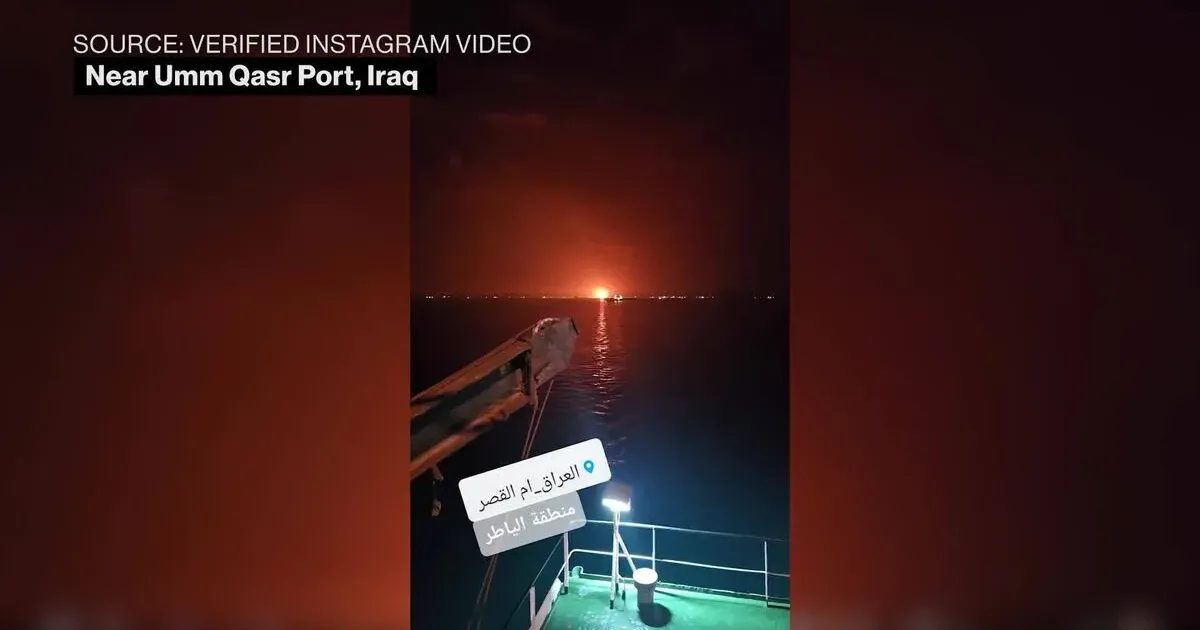
Bahraini officials released grainy infrared footage early Thursday showing a massive blaze engulfing a primary fuel storage facility. Black smoke billowed into the morning sky as emergency crews struggled to contain the inferno. Manama claims Iranian forces targeted the tanks directly, a development that indicates a dangerous expansion of the conflict. This hostility suggests a direct effort to cripple the logistics of regional energy distribution. No group has officially claimed responsibility, but the sophistication of the strike points toward state-level coordination. The fire at the facility signifies a collapse in maritime safety for the Persian Gulf. Baghdad confirmed a similar escalation in Iraqi territorial waters just hours later. Reports from the Iraqi state oil marketer indicate that two oil tankers came under fire while anchored near major shipping lanes. Damage to the vessels prompted an immediate and total suspension of operations at Iraq's primary oil terminals. Iraqi officials have not specified the type of weaponry used, though early evidence suggests sea-based drones or precision missiles. Crude prices jumped as news of the terminal shutdown reached international trading desks. Every minute of inactivity at these ports removes thousands of barrels from the global supply chain, tightening an already stressed market. Traders in Sydney and Singapore are watching the chaos with visible anxiety, pushing the Gulf war deeper into energy infrastructure.
The War Moves Onto Land Infrastructure
Analysts on Bloomberg's Asia Trade broadcast, led by Haidi Stroud-Watts and Avril Hong, highlighted the persistent risks facing the energy sector. Market participants are no longer treating these incidents as isolated skirmishes. They view them as a concerted campaign to use energy as a weapon of war. Brent crude futures surged as the scale of the Iraq shutdown became clear, while insurance premiums for vessels entering the Gulf reached levels not seen in decades. Beijing responded to the Middle East volatility with a swift and protectionist shift in policy. People familiar with the matter report that Chinese oil refiners have begun canceling agreed-upon fuel export cargoes. These cancellations cover significant shipments of gasoline and diesel destined for regional neighbors. Chinese officials appear determined to prioritize domestic energy security as the Iran-Iraq conflict threatens to sever global supply lines. This decision reflects a deep-seated fear that a prolonged war could leave the world's second-largest economy vulnerable to fuel shortages. Chinese refiners are tearing up contracts and rerouting supplies back into national reserves. Such a move is rare for a nation that has historically sought to dominate the refined fuel market in Asia. If the war persists, the absence of Chinese diesel could trigger price spikes across the Pacific. Many industrial hubs in Southeast Asia rely on these Chinese exports to power their manufacturing sectors.
Alliances Face a Credibility Test
By tightening curbs on exports, Beijing is signaling that it expects the conflict to worsen before any resolution is reached. Crude supply remains the most volatile variable in this economic equation. Global energy markets were already struggling with production caps and logistics delays. These new attacks on Bahraini infrastructure and Iraqi tankers have effectively paralyzed one of the world's most important transit zones. Shipping companies are now considering the costly alternative of rerouting vessels around the Cape of Good Hope. Such a detour adds weeks to delivery times and millions of dollars to transportation costs. If the Strait of Hormuz becomes a contested zone, the concept of a global oil price may lose all meaning as localized shortages take hold. Insurance markets are reacting with even more severity than the commodity traders.
Underwriters have reportedly quadrupled the war-risk premiums for any vessel traversing Iraqi or Bahraini waters. Some shipping giants have simply declared a force majeure, refusing to send their fleets into the northern Gulf. This retreat by commercial shipping leaves the energy market even more exposed to the whims of the combatants. Without the protection of international naval escorts, the commercial tanker fleet remains a collection of slow-moving targets.
Iranian strategy appears focused on creating a cascading effect of economic misery.
Markets See a Wider Risk Map
By hitting fuel tanks in Bahrain and tankers in Iraq, Tehran creates a sense of total insecurity. Such tactics do not require a massive naval fleet, they only require a handful of precise strikes to freeze global trade. This methodology is proving highly effective at rattling the nerves of Western capitals. It forces a choice between direct military intervention or watching the global economy slide into a fuel-driven recession.
Future stability hinges on whether regional powers can de-escalate without losing face. But the current trajectory suggests the opposite. Every strike met with a counter-strike increases the probability of a broader regional firestorm. Western diplomats are reportedly working behind the scenes to establish a shipping corridor, yet these efforts have produced little tangible security.
Refiners in Europe and Asia are already looking for alternative sources, but the volume of oil coming out of the Gulf is impossible to replace overnight. Security experts suggest that the nature of energy warfare has fundamentally changed. The focus is no longer just on capturing territory, it is on the destruction of the adversary's ability to participate in the global economy.
Energy Infrastructure Is Now the Battlefield
Iran struck Bahrain energy sites as the Gulf conflict widened. The attack moved pressure from maritime targets to fixed infrastructure. Bahrain's alliances and U.S. regional presence make the strike strategically sensitive.
Oil markets and insurers are likely to price a broader Gulf risk premium. Bahrain is strategically sensitive because it hosts major Western security infrastructure and sits close to key Gulf energy routes.
Energy-site attacks can disrupt supply, raise insurance costs and test alliance commitments. A strike on Bahrain changes the psychology of the conflict. Tankers can reroute, but fixed energy infrastructure makes the risk feel domestic, political and harder to insure. The Gulf's security model depends on deterrence; every successful strike makes that model look thinner.