War Costs Move Into the Budget Fight
The conflict has entered its thirteenth active day in the Persian Gulf, and the financial toll on the American public is mounting at a rate rarely seen in modern history. Pentagon officials disclosed to members of Congress during a closed-door session on Tuesday that the first six days of military operations alone exceeded 11.3 billion dollars. On March 12, 2026, the fiscal cost of the Iran conflict became impossible to separate from domestic budget politics. These figures omit the significant upfront costs of mobilizing hardware and personnel prior to the first missile strikes.
Kent Smetters, faculty director of the Penn Wharton Budget Model, now calculates that the daily expense of the war has reached 800 million dollars. Some outside estimates place the true cost closer to one billion dollars every 24 hours. Taxpayers face a looming 65 billion dollar bill if the conflict continues for another seven weeks. While Bloomberg reports highlight the immediate market volatility, Fortune analysts point to a deeper structural threat to the American economy. Interest payments on the debt required to fund these operations will add at least 1.4 billion dollars to the deficit. This fiscal drain occurs as the Congressional Budget Office already projected a 1,853 billion dollar gap between expenditures and revenue for the 2026 fiscal year. Military spending on this scale pushes the projected deficit from 5.8 percent to 6 percent of the national Gross Domestic Product. Brent crude briefly touched 100 dollars per barrel this week, reflecting a market that has lost faith in a swift diplomatic resolution.
Other experts, including British security advisor John Phillips, suggest the true cost is closer to one billion dollars every 24 hours.
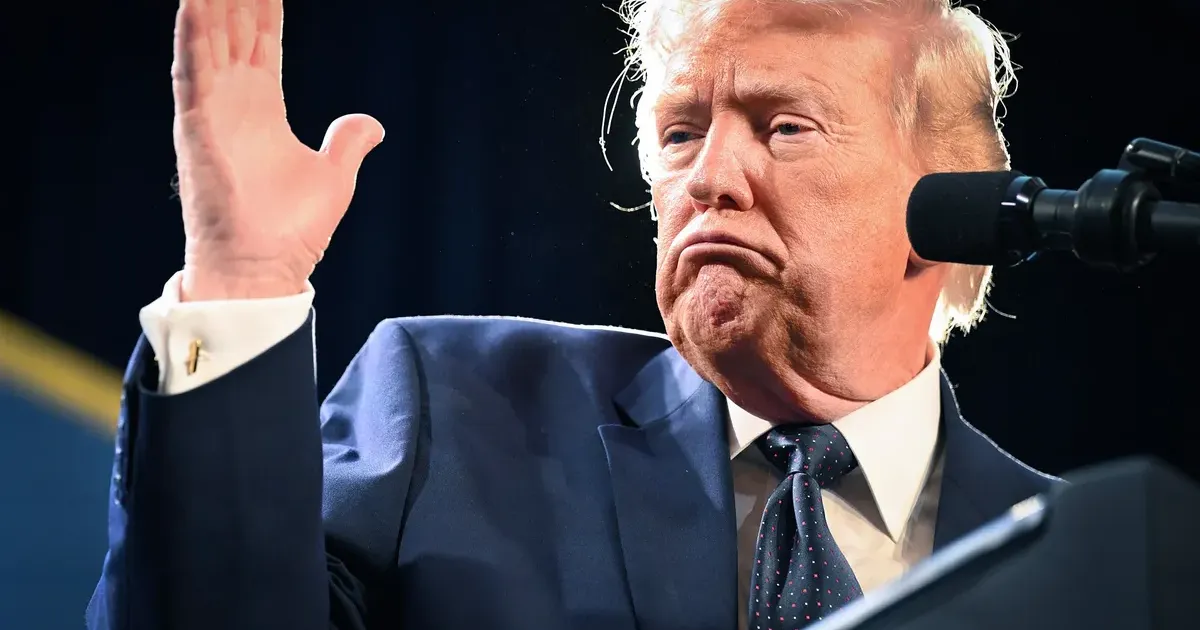
President Donald Trump remains defiant in his public statements, matched in tone by Iran's new supreme leader. Neither side has signaled a willingness to de-escalate, leaving energy traders with little hope for relief. Investors watched oil prices surge despite renewed efforts by the White House to stabilize global supply chains. Financial analysts note that the current price level looks less like a temporary spike than a fundamental reassessment of risk in the world's most critical shipping lanes.
Energy Markets Add a Second Bill
Energy markets remain unconvinced by White House rhetoric. Investors are seeking protection or profit in the resulting volatility. While many large institutional funds have struggled to navigate the rapid price swings, a handful of commodities-focused hedge funds are reporting significant gains.
Ron Ozer, Doug King, and Steve Barclay, a former senior portfolio manager at Millennium Management, have successfully leveraged the market turbulence. Their success stands in opposition to the broader trend among larger peers who have suffered losses during the first two weeks of the war. These specialized traders capitalize on the extreme price fluctuations that define the current energy environment. White House officials are now exploring the use of the 1920 Merchant Marine Act, commonly known as the Jones Act, to mitigate the impact of the war on domestic logistics.
This shipping regulation generally requires that all goods transported by water between US ports be carried on US-flagged ships constructed in the United States. Administration sources indicate that waivers are under consideration to ensure that energy and agricultural products continue to reach American ports. Such a move would be intended to lower transportation costs and prevent local shortages of essential commodities. But critics of the Jones Act have long argued that such waivers are a temporary fix for a systemic lack of domestic shipping capacity.
Trade policy has become a secondary battleground in the war effort. Just days before the first military strikes, the Supreme Court of the United States issued a ruling that nullified several existing Trump administration tariffs. The Committee for a Responsible Federal Budget estimates that replacing these duties with a 10 percent blanket rate would result in the Treasury collecting 74 billion dollars less this year than under the previous system. Combining this revenue loss with the 65 billion dollars in new war spending creates a massive fiscal vacuum.
Trade Rules Limit Relief
The math suggests a fiscal catastrophe. Pentagon estimates provided to Congress provide a granular look at the cost of modern warfare. Every missile launched and every flight hour logged by carrier-based aircraft contributes to a burn rate that threatens to outpace annual budget allocations. National debt levels, already a point of contention in Washington, are set to climb as the Treasury issues more bonds to cover the immediate costs of the Iran campaign.
Interest rates could face upward pressure as the government's borrowing needs increase, potentially slowing growth in the broader private sector. The synergy of war costs and declining tariff revenue has caught many fiscal hawks by surprise. Economists at the Penn Wharton Budget Model warn that the long-term impact of this borrowing will be felt for decades. Such high levels of deficit spending during a period of geopolitical instability often lead to persistent inflation.
Still, the administration argues that the costs are necessary for national security. Political tension in Washington is rising as the 2026 mid-term elections approach. Members of both parties are questioning how long the public can sustain a billion-dollar-a-day conflict while domestic infrastructure and social programs face funding cuts. Foreign allies are also watching the American fiscal situation with concern.
A weakened dollar or a ballooning US debt load could destabilize international markets further. Markets have historically recovered from short-term conflicts, yet the combination of high oil prices and a deteriorating federal balance sheet creates a unique set of challenges. The administration's next moves will determine if the United States can afford to stay the course or if economic reality will force a change in military strategy.
Fiscal Reckoning
Can the American experiment survive a government that treats a billion dollars a day like pocket change? Washington has spent decades insulating the public from the true cost of its foreign adventures by burying the bill in a mountain of debt. But the 2026 Iran conflict has finally stripped away the illusion of consequence-free warfare. We are watching a perfect storm where a Supreme Court tariff strike meets a Persian Gulf shooting war, leaving the Treasury to bleed from both ends. President Trump's defiance might play well in a televised address, but it does nothing to lower the 100-dollar barrel of oil or the interest payments on a 1,853 billion dollar deficit. Hedge fund managers like Ron Ozer and Steve Barclay are not geniuses. They are simply the vultures cleaning the bones of a dying fiscal policy. If the White House thinks waiving a century-old shipping law will save the economy from the pressure of this war, they are more delusional than the bureaucrats who failed to project the cost of the first six days. The United States is no longer just fighting a war in the Middle East. It is fighting a war against its own insolvency, and right now, the math is winning.