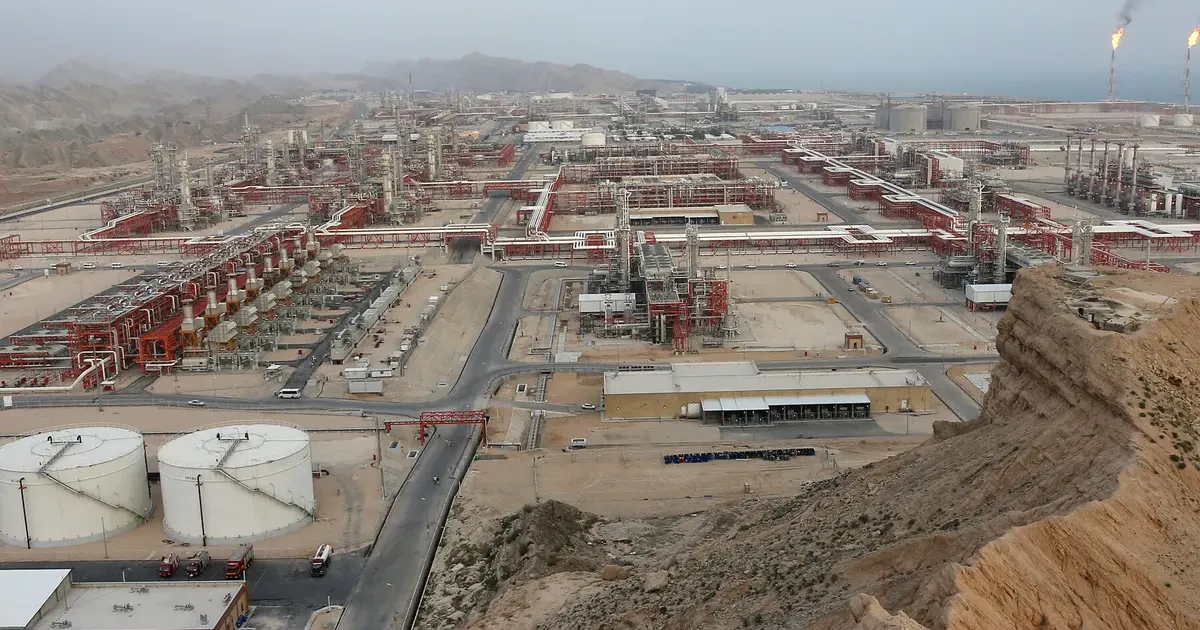
The Iran war is widening a dispute between the United States and Israel over gas deposits and energy leverage in the eastern Mediterranean. What might have been a technical disagreement over development rights now sits inside a larger security crisis involving Iran, Hezbollah and regional export routes. Washington and Jerusalem are weighing energy security against military priorities. Gas deposits can look like a commercial matter in peacetime. During war, they become bargaining chips, infrastructure targets and diplomatic pressure points. The disagreement matters because the US and Israel are aligned on many security questions but not always on timing, ownership and export strategy. Energy can expose those differences faster than public statements admit.
Gas Deposits Become Strategic Assets
Eastern Mediterranean gas is valuable because it can support domestic supply, regional exports and long-term influence with buyers. Control over development timing can shape revenue, energy diplomacy and security planning. Israel wants to protect its offshore assets while maintaining leverage in a region where energy infrastructure is vulnerable to missiles, drones and maritime disruption. The United States wants stability, predictable exports and enough restraint to keep the war from damaging broader energy markets. Those goals overlap, but they are not identical. A project that looks strategically useful to Israel may create diplomatic or market complications for Washington.
Iran War Changes the Calculation
The Iran conflict makes every energy decision more sensitive. Facilities, pipelines, ports and shipping lanes all become part of the risk map. Investors may still want production, but they will demand evidence that security conditions can support it. Hezbollah adds another layer. If the Lebanon front expands, offshore infrastructure and export planning become harder to separate from military escalation. That is why gas policy can no longer be treated as a quiet economic file. Washington may also worry that aggressive energy moves could make diplomacy with Arab partners more difficult, especially if the war is already raising fuel prices and public anger.
Alliance Management Gets Harder
Allies disagree most sharply when private priorities become public costs. Israel may see gas development as part of national resilience. The US may see the same move as a source of additional regional friction at a moment when it is trying to manage Iran, Gulf partners and global markets at once. That does not mean a rupture is inevitable. It means both governments need a clearer division between military urgency, commercial rights and diplomatic timing.
Why Gas Policy Is Now Part of the War Map
The lesson is that energy assets are not neutral during war. Gas fields, export routes and investment approvals can all affect how states calculate leverage. If Washington and Jerusalem coordinate carefully, gas development can support resilience. If they treat the file as secondary, it could become another arena where the Iran war quietly widens existing disagreements.
The gas-deposit issue gives the conflict an economic layer that is easy to underestimate. Eastern Mediterranean energy projects are not just commercial assets; they affect Israeli security planning, European supply hopes and the calculations of countries that want leverage over regional infrastructure.
Washington and Jerusalem may agree on limiting Iranian reach, but they do not always share the same risk tolerance. Israel is more likely to view energy infrastructure through an immediate security lens, while the United States has to weigh escalation, maritime stability and the effect on allied energy markets.
A wider Iran war would make those differences harder to hide. Insurance costs, shipping routes and offshore project timelines could all shift if military planners treat energy assets as potential pressure points. Even without a direct strike, uncertainty can delay investment. The strategic problem is that energy can become both target and bargaining chip. If the conflict moves in that direction, the US-Israel relationship will face a more complicated test than public statements of solidarity suggest.
Europe adds another layer because it has spent years trying to diversify energy supply. Eastern Mediterranean gas has never been a simple replacement for other sources, but it carries value because it can reduce dependence on more politically risky suppliers. A conflict that threatens those projects would narrow an already complicated menu.
Israel also has domestic incentives to protect energy infrastructure. Gas exports support revenue, regional partnerships and a sense that the country can remain economically functional during security shocks. Any sign that those assets are vulnerable would carry political consequences inside Israel as well as diplomatic consequences outside it.
The United States has to manage both levels. It wants to preserve Israeli deterrence, but it also wants to avoid an energy-security spiral that pulls more states into the conflict. That is where tactical success and regional stability can begin to diverge. The energy rift cannot be separated from the war map. Gas infrastructure gives both allies and adversaries a concrete asset to pressure, defend or use as leverage in negotiations that may not be publicly visible. A narrow military reading would miss that point. The gas dispute is a reminder that wars in the region often reshape commercial assumptions long before formal diplomacy catches up.