Energy Infrastructure Becomes the Center of the Shock
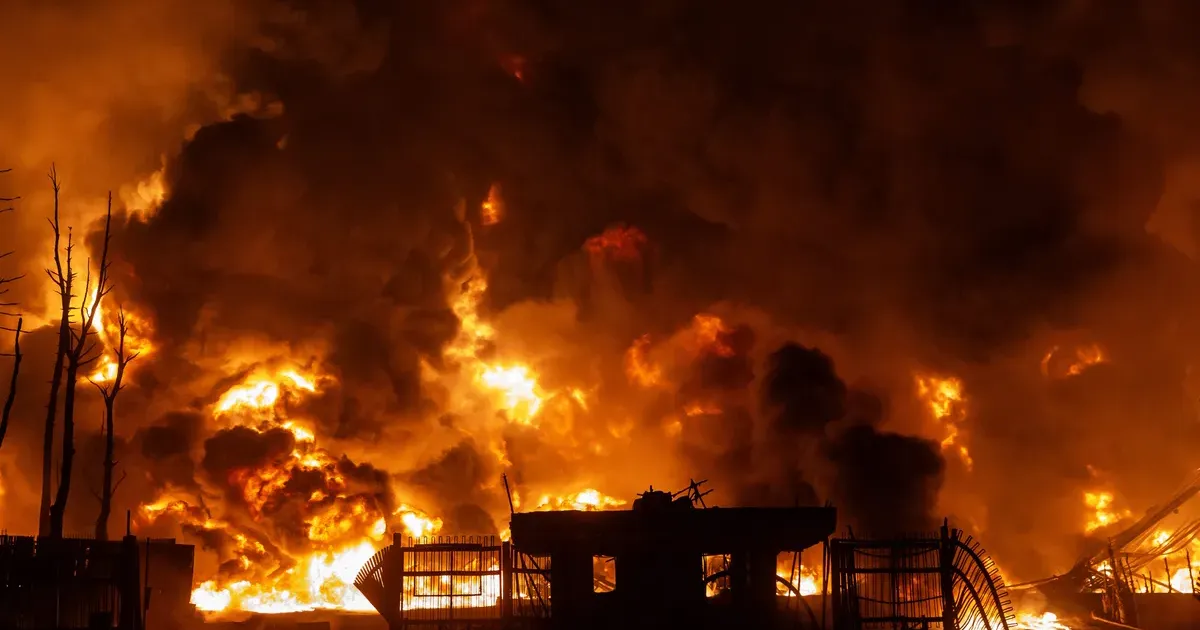
The reported Iranian attack on a Qatari gas facility pushed oil above $110 and sent a sharper warning through global energy markets. A strike on LNG infrastructure is not a local incident when Qatar sits near the center of global gas supply. The immediate market reaction reflected more than damage at one site. Traders had to price the possibility that energy infrastructure across the Gulf could become part of the battlefield. That risk changes assumptions for cargoes, insurance, reserves and government intervention. The story also carried a currency dimension. Import-dependent economies can face pressure when energy bills rise suddenly, especially if investors expect higher inflation and weaker trade balances.
LNG Risk Spreads Fast
Liquefied natural gas markets are sensitive because supply chains are long, specialized and difficult to reroute quickly. Buyers in Europe and Asia compete for cargoes, and a disruption at a major exporter can lift prices beyond the immediate region.
Energy infrastructure is now part of the conflict map, and markets will price that risk before governments finish assessing the damage.
QatarEnergy had not immediately provided a full public accounting of damage in the early reports, which made uncertainty part of the price move. Markets dislike silence when a facility is systemically important. Oil rose because gas infrastructure attacks signal a broader energy-war risk. If one category of infrastructure can be targeted, traders have to ask whether crude terminals, refineries, pipelines and shipping lanes could be next.
Inflation and Currency Pressure
Higher energy costs work like a tax on households and businesses. They raise transport costs, utility bills, manufacturing inputs and food prices. Central banks then face pressure to keep policy tighter, even when growth is slowing. Currency markets can react just as quickly. Countries that import large amounts of oil or gas may need more dollars to pay for energy, while investors may reduce exposure to economies seen as vulnerable to inflation or current-account stress. The LNG dimension makes the incident more complex than a standard oil-price spike. Gas buyers plan cargoes, storage and power generation months ahead, and a sudden security question around Qatar can force utilities to pay up for backup supply. Europe would watch the event through the memory of recent energy shocks. Even if storage levels are comfortable, governments know that confidence can break quickly when traders suspect a major exporter may face repeat attacks.
Asian importers would face a different pressure. Japan, South Korea, India and China compete for flexible cargoes, and any disruption can turn into a bidding contest that raises costs for manufacturers and households. Shipping insurers and tanker operators may move before governments do. Higher premiums, rerouting or slower loading schedules can make energy more expensive even if physical exports continue. The attack also draws scrutiny for US security commitments in the Gulf. Washington may be pressed to expand air-defense coordination or maritime protection, but every additional mission increases exposure in a war that already carries escalation risk.
For central banks, the problem is timing. Energy shocks can fade, but policy decisions have to anticipate whether companies and workers will treat the shock as temporary or build it into prices and wages. Qatar will also have to manage market confidence. Transparent damage assessments, export guidance and repair timelines can reduce panic, while vague statements can let worst-case assumptions fill the gap. The strategic danger is normalization. Once markets believe Gulf energy sites are available targets, every diplomatic breakdown can carry an automatic price premium. That premium would not only affect oil traders. It would influence fiscal plans, airline costs, food prices, currency stability and the political patience of consumers already sensitive to inflation.
Energy-consuming governments may start preparing public explanations before shortages appear. Voters notice pump prices and utility bills quickly, and officials do not want to look surprised by a shock that markets already priced. Strategic reserves can soften crude disruptions, but they do little for specialized LNG contracts if buyers fear delayed cargoes or damaged export capacity. That distinction is important for countries that rely on gas for power generation. The incident also gives energy exporters outside the Gulf leverage. Sellers with flexible supply can command higher prices when buyers seek alternatives to a region under attack. If confirmation shows limited damage, prices may retreat from the panic level. But risk premiums rarely disappear immediately after infrastructure is targeted because traders have to consider repetition, not only repair. The wider strategic message is that energy security has returned to the center of national planning. Governments that treated supply as a market function now have to think again about physical protection, alliances and emergency reserves.
The longer-term question is whether this shock changes investment behavior. Companies may accelerate diversification, storage and backup supply plans if they conclude that Gulf infrastructure risk is no longer remote. For households, the effect is indirect but real. A Gulf infrastructure strike can move through wholesale prices, utility bills, transport costs and food supply chains long before voters understand the original target. The same pressure can influence diplomatic timing. Governments may become more willing to pursue de-escalation when energy prices begin threatening domestic inflation, industrial costs and public tolerance at the same time.
Why Gulf Energy Sites Now Carry a War Premium
Qatar is a major LNG exporter, so disruption can affect Asian and European gas buyers and wider energy pricing.
Energy markets price regional risk broadly, especially when attacks suggest infrastructure and shipping routes may be vulnerable.
Damage confirmation, export interruptions, tanker insurance, regional retaliation and central-bank responses are the key signals.
The attack's significance depends on confirmation, duration and retaliation. A limited strike with quick repair still changes risk perception; a prolonged outage would reshape LNG flows and inflation forecasts.
The deeper issue is deterrence around energy infrastructure. If Gulf facilities become routine targets, the war stops being only a military contest and becomes a direct challenge to the global energy system. That would force governments to choose between restraint, protection missions and emergency economic measures.