Bond investors entered March expecting relief from inflation, then watched the Iran conflict erase those gains in a matter of sessions. The bond selloff accelerated on March 12, 2026, as war risk changed inflation expectations again.
Bond Gains Vanish Under War Pressure
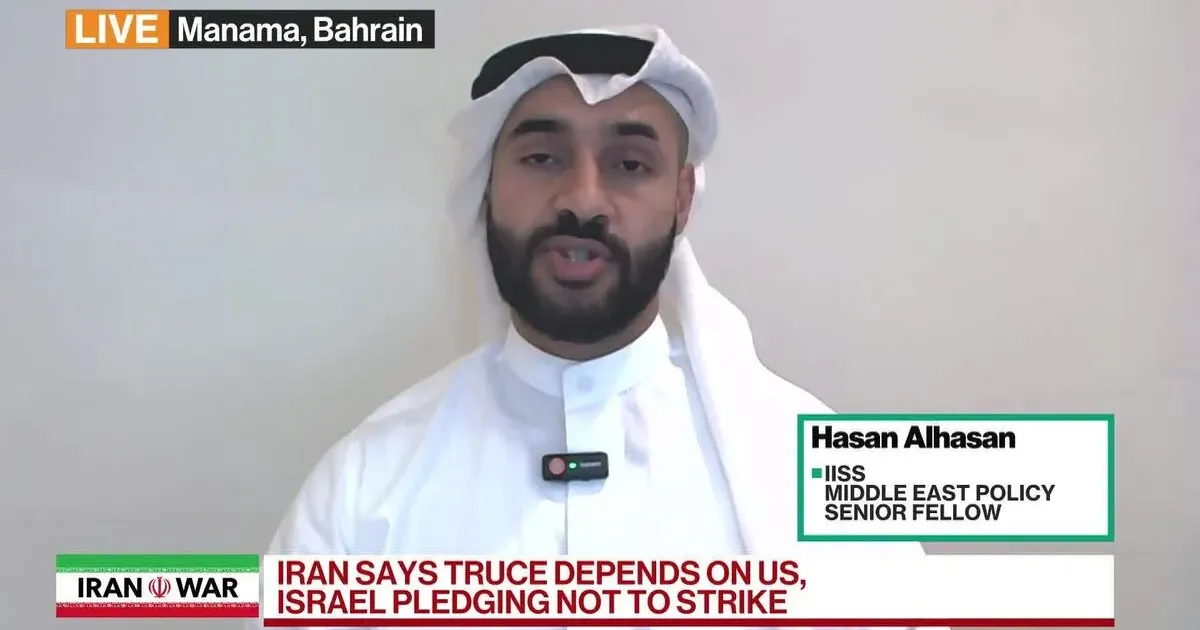
The selloff began with a flurry of sell orders across London and New York trading desks. Iranian strikes on Gulf nations continued through the night despite international calls for a ceasefire. Tehran is no longer seeking a quick victory. Iranian President Masoud Pezeshkian made his position clear when he stated that ending the hostilities requires more than a simple handshake. He demands the recognition of Iran's legitimate rights, substantial payment of reparations, and firm international guarantees against future aggression. Hasan AlHasan, Senior Fellow for Middle East Policy at IISS, told Bloomberg that Iran is currently waging a war of economic attrition. This strategy targets the financial stability of its neighbors and the global energy supply chain. By keeping the threat of strikes constant, Tehran forces insurance rates to climb and shipping routes to lengthen. The cost of doing business in the region has reached levels not seen in decades. Traders are bracing for a prolonged period of instability that refuses to resolve through traditional diplomacy. Global bonds have now surrendered every gain they managed to accumulate since January. High oil prices have reignited fears of sticky inflation.
Oil Reprices Inflation Risk
Fixed-income markets are suffering a broad selloff as investors realize that price pressures will not fade while the Gulf remains in turmoil. Treasury yields moved higher throughout the morning session. Many institutional investors are fleeing to cash or short-term instruments to avoid the duration risk associated with long-term debt. Capital is a coward in times of fire. Oil prices are the primary engine of this fiscal destruction. Brent crude has remained stubbornly high, pushing transportation costs to the limit for global manufacturers. Every barrel that fails to leave the Persian Gulf adds a premium to the cost of living in Europe and North America. Central banks, which spent much of 2025 trying to engineer a soft landing, now face a renewed threat of stagflation. Rising energy costs combined with falling bond values create a pincer movement on the global economy. Investors had expected 2026 to be a year of recovery. Those hopes died when the first Iranian missiles struck energy infrastructure in the Gulf. Analysts at major investment banks are now revising their year-end targets downward.
Safe Havens Stop Behaving Simply
Bloomberg reports that the bond market rout is particularly painful for pension funds that had loaded up on fixed income early in the year. The math of peace no longer balances. Pezeshkian's insistence on reparations is a significant hurdle for any peace process. Gulf nations view these demands as an attempt at financial extortion. While some diplomats suggest a middle ground, the intensity of the Iranian strikes suggests Tehran is comfortable with a long-term stalemate. Hasan AlHasan noted that Iran's leadership believes it can withstand the economic pain longer than its adversaries. This strategy relies on the idea that Western markets will eventually crack under the pressure of energy-driven inflation. Bond yields are reacting to the reality that interest rates may need to stay higher for longer. Inflation expectations for the next five years have spiked since the start of the week. Markets are no longer pricing in the rate cuts that many had anticipated for the second half of 2026.
Instead, there is talk of emergency hikes if oil breaches the $130 mark. Such a move would further depress bond prices and increase the cost of government borrowing globally.
Investors Face Duration Pain
Tehran's maritime harassment has crippled the flow of liquefied natural gas and crude through the Strait of Hormuz. Shipping companies are rerouting vessels around the Cape of Good Hope, adding weeks to transit times. This logistical nightmare compounds the inflationary pressure already felt at the pump and in grocery aisles. Higher freight costs are being passed directly to consumers. Every delayed tanker is a win for the Iranian strategy of attrition.
Diplomatic efforts in Geneva have so far failed to produce a workable framework for a truce. Iranian negotiators have refused to budge on their demand for firm international guarantees. They seek a mechanism that would prevent the United States or its allies from reimposing sanctions in the future. Washington remains hesitant to provide such an open-ended promise, fearing it would give Iran a free hand in the region. The stalemate in the meeting rooms is reflected in the volatility on the trading floors.
Gold and other hard assets are seeing renewed interest as the bond market fails to provide its traditional safety.
War Makes the Yield Curve Political
Iranian attrition warfare wiped out gains across parts of the 2026 bond market. Oil and inflation fears pushed investors to reassess rate expectations, while safe-haven demand became complicated by fiscal and inflation concerns. Long-duration holders face renewed volatility because war can lift oil prices and reduce confidence that central banks can cut rates.
Iranian attrition warfare wiped out gains across parts of the 2026 bond market.
Bonds are not automatic safe havens when inflation risk and government borrowing concerns rise at the same time. The bond market is not reacting only to explosions. It is reacting to the possibility that the inflation fight was never finished.
In that environment, duration stops looking defensive and starts looking exposed.