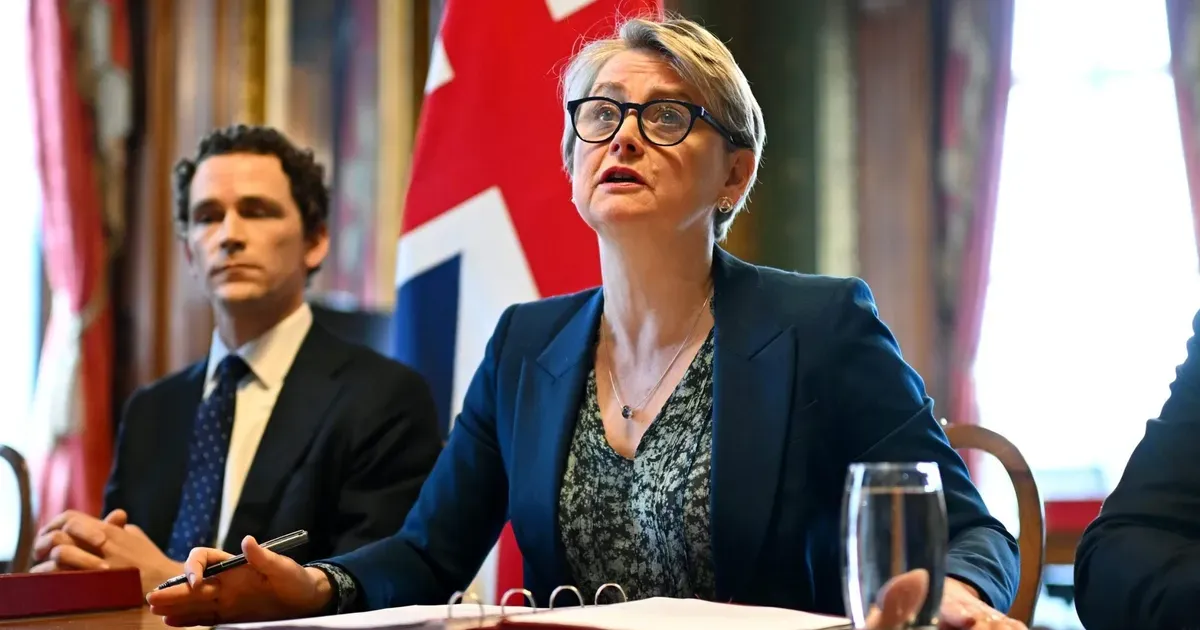
The Strait of Hormuz crisis is no longer just a diplomatic agenda item from the spring. UK-led talks brought dozens of countries into the same virtual room, and Foreign Secretary Yvette Cooper framed the closure as a threat to global economic security. Months later, the chokepoint remains tied to U.S.-Iran escalation, oil-price anxiety and shipping risk that no statement has managed to neutralize.
The policy gap is clear because Hormuz is not a normal shipping lane. It is one of the world's most important energy chokepoints, carrying a large share of seaborne oil and liquefied natural gas. When it becomes unsafe, the shock moves beyond naval briefings into crude prices, tanker insurance, airfares, food transport, government budgets and household inflation.
Closure risk moves before shortages
Oil markets do not wait for every barrel to disappear before reacting. Traders price the possibility of scarcity, longer routes, higher war-risk premiums and damaged vessels as soon as the route looks unstable. Hormuz risk can lift prices before consumers see physical fuel shortages.
The July escalation made that market logic clearer. Renewed U.S. strikes, Iranian threats to halt regional energy exports and uncertainty over shipping tolls or blockades kept markets nervous. Even when prices retreat from intraday highs, the risk premium remains. A tanker captain, insurer or refinery planner cannot treat Hormuz as safe because a minister says talks are continuing.
Cooper's coalition named the shared risk
The UK effort mattered because it treated Hormuz as a shared economic problem rather than a narrow Iran dispute. Importers in Europe, Asia and beyond have different views on military action, but they have the same basic need: ships must move, crews must be protected and cargoes must be insurable.
The coalition logic remains sound, but its limit is execution. A broad call to reopen the strait can create political pressure, but it does not by itself tell shipping companies who will escort vessels, who will clear mines, who will absorb losses, or what happens if Iran attacks another commercial ship. Maritime security is a practical business before it is a communique.
Military pressure cuts both ways
Force is part of the Hormuz equation because ships may need protection and threats may need deterrence. Military pressure also carries its own market cost. Every strike near Iranian ports, missile sites or coastal defenses can be read by Tehran as escalation and by insurers as another reason to raise premiums.
The opposing pressures create a narrow policy corridor. Too little enforcement lets disruption become normal. Poorly defined enforcement risks a wider regional war. The credible strategy is one that links naval security to a clear diplomatic off-ramp: what Iran must stop doing, what shipping access looks like, who verifies it and what sanctions or military measures change if the route reopens.
Energy buffers are wearing thin
Earlier in the crisis, spare supply, strategic reserves and demand adjustments helped prevent a full price shock. Those cushions are not infinite. If inventories fall, spare capacity tightens and traders lose confidence in regular Gulf flows, the next disruption lands with more force than the first one.
Governments should be careful with easy promises. Broad fuel subsidies can calm anger for a week while damaging budgets. Strategic reserves can reduce panic but cannot replace a functioning sea lane for months. Clean-energy investment lowers long-term exposure, but it does not move current crude cargoes through a dangerous strait. Energy security needs three time horizons at once: immediate protection, medium-term reserves and long-term demand reduction.
Shipping companies need operational certainty
For shipowners and insurers, the issue is concrete. A vessel either can transit without being seized, struck, mined or trapped by a sudden policy reversal, or the route carries a price that many operators will not accept. If that answer is uncertain, routes change, cargoes wait and premiums rise. Private-sector caution can slow energy flows even when governments insist the route is politically open.
Diplomacy often collides with the market here. A minister can say the world supports free navigation. A shipping line has to decide whether to risk a crew and a vessel worth hundreds of millions of dollars. The gap between those two decisions is where the market prices fear.
Hormuz exposes strategic drift
Hormuz is punishing because it reveals weak strategy quickly. Washington can impose pressure, Tehran can threaten energy exports, London can convene partners and oil traders can move prices within minutes. None of that equals a durable settlement.
The coalition now has to produce a security arrangement that shipping companies believe and regional states can live with. Without that, Hormuz will remain a narrow waterway with an oversized economic shadow. The world does not need another speech about the rules-based order. It needs a route that crews can sail through without becoming instruments of someone else's escalation.