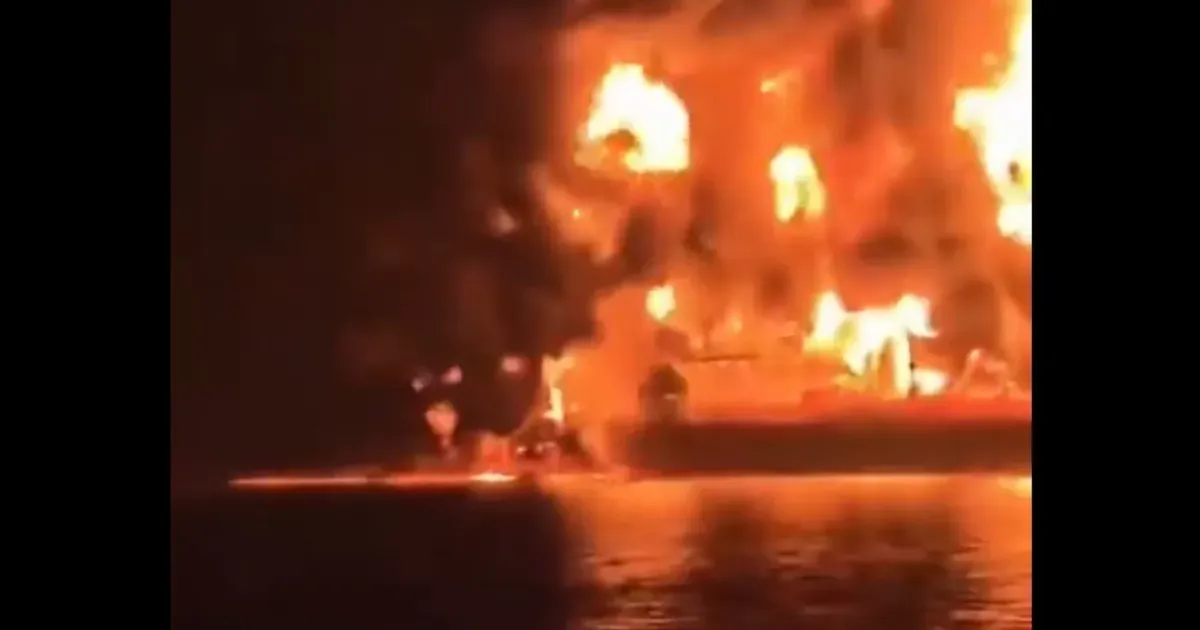
Iranian drone-boat attacks near Basra have pushed tanker security back to the center of the Gulf energy crisis. The tanker attacks escalated on March 12, 2026
Basra Tankers Become Targets
Smoke drifted across the horizon on Tuesday morning as multiple explosions ripped through the hull of two oil tankers stationed in Iraqi waters. These vessels, caught in the crosshairs of a rapidly deteriorating security situation, became the latest targets in an aggressive campaign of maritime sabotage. Intelligence reports suggest that Iran utilized unmanned surface vessels, essentially remote-controlled drone boats packed with explosives, to strike the tankers off the coast of Basra. The precision of the strikes forced the immediate evacuation of 38 foreign crew members who watched from lifeboats as their ships turned into towering infernos. Security analysts in the region describe a coordinated assault that involved both drone boats and sophisticated sea mines. While Al Jazeera reported that five vessels in total were targeted during the morning hours, the most severe damage occurred near the Iraqi oil terminals. Local officials in Basra confirmed that the blasts were powerful enough to be felt miles inland. One Iraqi port worker died in the initial blast, marking the first confirmed fatality in this recent wave of attacks. Panic spread through the maritime community when the Iraqi government announced a total halt of operations at all major oil ports to prevent further casualties. Chaos is now the primary export of the Persian Gulf. Footage released by the Times of India captured the raw intensity of the fires. Bright orange flames licked the sky while thick, oily smoke blocked out the morning sun. Emergency response teams struggled to contain the blazes because of the volatile nature of the crude oil cargo.
Drone Boats Change the Threat Model
The strikes showed how quickly unmanned maritime systems can threaten oil routes. Many of the crew members rescued from the water were treated for smoke inhalation and shock. Most of these sailors hail from South Asia and Eastern Europe, highlighting the international stakes of a conflict that targets the veins of global energy. Bahrain became the second front in this escalating shadow war when a fuel storage facility erupted in flames. Images from the interior ministry showed a massive conflagration lighting up the night sky in what officials described as a direct Iranian attack. Unlike the offshore tanker strikes, this land-based explosion struck at the heart of Bahraini infrastructure. Firefighters spent hours battling the heat to prevent the flames from reaching adjacent tanks. Regional security experts view the Bahrain hit as a message that no facility, whether on land or at sea, remains beyond the reach of Iranian assets. Global energy security died in the waters off Basra this morning. Market reactions were swift and predictably volatile. Crude oil prices surged as traders factored in the risk of a prolonged shutdown of the Strait of Hormuz. Iraq provides a significant portion of the world's oil supply, and the closure of its ports removes millions of barrels from the daily market. While Bloomberg suggests that some of the supply could be diverted through pipelines, analysts at Reuters counter that existing infrastructure cannot handle the sheer volume of diverted crude. The financial impact will likely reach gas stations in London and New York by the end of the week.
Bahrain Shows the Conflict Is Spreading
Intelligence agencies are currently debating the specific technology used in the drone boat strikes. These unmanned surface vessels allow attackers to strike from long distances without risking personnel. Some reports indicate that the boats are designed to mimic civilian fishing craft, making them nearly impossible to detect until they are within striking range of a hull. This tactical shift suggests that traditional naval patrols are becoming obsolete in the face of asymmetric drone warfare.
Smaller, faster, and cheaper to produce, these suicide boats provide Iran with a high-impact weapon that offers a thin layer of deniability. Maritime insurance rates have already tripled for any vessel planning to transit the Persian Gulf. Ship owners are demanding increased naval escorts, but the sheer size of the Gulf makes constant protection nearly impossible. This strategy of attrition aims to make the cost of doing business in the region unsustainable for international firms.
If the attacks continue, the global economy could face a supply shock reminiscent of the 1970s energy crisis. Every barrel of oil that leaves the Gulf now carries a risk premium that consumers will eventually pay for. The Tanker War now looks less like distant history and more like a warning label for the current Gulf crisis. During that era, Iran and Iraq targeted each other's commercial shipping in a desperate attempt to dry up the opponent's revenue.
Historical parallels to the Tanker War of the 1980s are becoming increasingly relevant.
Today, the weapons have changed, but the objective remains the same.
Oil Markets Price the Fire
Iran seeks to demonstrate its ability to choke the global economy if its own interests are threatened. This aggression forces Western powers into a difficult position where they must choose between military intervention or economic instability. Diplomatic efforts at the United Nations have stalled as Tehran denies any involvement in the Basra or Bahrain incidents. Iranian state media instead blamed foreign agents for the explosions, claiming the incidents are a false flag operation designed to justify further sanctions.
This environment of misinformation complicates the international response. Without a clear consensus on how to hold the perpetrators accountable, the Persian Gulf remains a lawless corridor where the highest bidder for security wins. International shipping companies are now considering a full bypass of the region. Routing tankers around the Cape of Good Hope adds weeks to the journey and millions of dollars in fuel costs.
This paralysis of the standard supply chain would trigger a domino effect across manufacturing and logistics sectors worldwide. The world is watching the Persian Gulf not just for the price of oil, but as a test of whether international maritime law still holds any meaning in the modern age.
Cheap Drones Can Move Expensive Markets
Iranian drone boats reportedly struck oil tankers near Basra port. The attacks forced evacuations and raised fears over Iraq's export infrastructure. A related strike on Bahrain energy sites suggested a widening maritime and infrastructure campaign. The incidents added risk premiums to crude, shipping insurance and tanker routing.
Drone boats are hard to stop because they can be small, fast, cheap and difficult to distinguish from civilian traffic until very late. These attacks affect oil prices because they threaten shipping confidence around export routes that carry large volumes of crude.
The danger is not only the damage done to two hulls. The danger is the demonstration that small unmanned systems can make a major export corridor feel uninsurable. If navies cannot adapt to cheap maritime drones, the Gulf's energy premium becomes permanent.