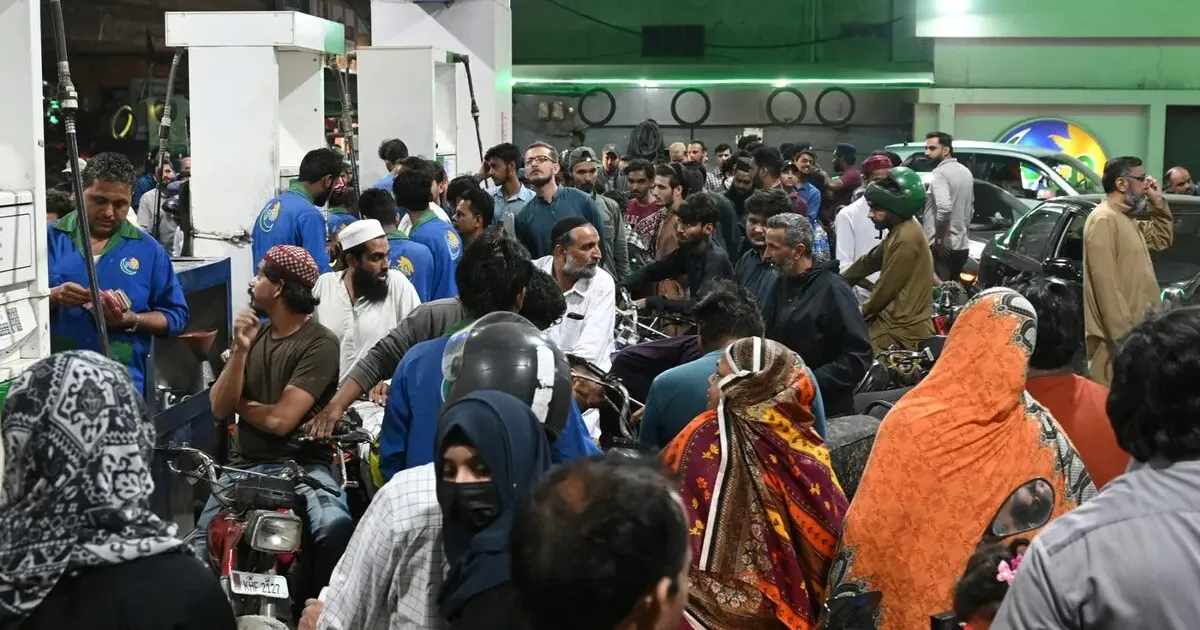
Islamabad is seeking an IMF lifeline while regional conflict makes Pakistan's economic room even narrower. The urgency was clear as officials tried to defend the case for outside financing while energy costs, currency pressure and security risks moved in the wrong direction. By March 12, 2026, the issue for Pakistan was not only whether a deal can be reached. It is whether the country can make the deal durable. IMF programs are never only financial documents. They are political bargains involving taxes, subsidies, spending restraint and promises about reform. In a crisis, those promises become harder to keep because every household feels the cost before it sees the benefit.
Conflict Raises the Price of Stability
Regional conflict complicates Pakistan's balance of payments by threatening higher fuel import costs and investor caution. A country that needs dollars for energy, debt service and essential imports has little room for a sustained external shock. Even the perception of instability can push lenders and investors toward caution. Pakistan IMF talks therefore carry more weight than a routine financing review. A credible program can unlock additional support from friendly governments and multilateral lenders. A failed negotiation can make every other source of financing more expensive or more conditional.
The government also has to protect reserves without crushing growth. Import controls can preserve dollars temporarily, but they can hurt industry. Currency depreciation can improve some external balances, but it raises the local cost of fuel, food and debt.
Reform Promises Meet Public Fatigue
Pakistanis have heard reform language many times. Tax broadening, energy-sector repair, privatization and subsidy discipline have appeared in repeated programs. The problem is not that officials lack vocabulary. It is that implementation often weakens when political costs arrive. A new IMF deal may require higher revenue collection and tighter spending. Those steps can satisfy lenders while angering citizens who already face inflation and limited services. The government has to explain why another difficult program will be different from previous rounds. Elite exemptions remain a central credibility problem. If ordinary consumers pay higher utility bills while politically connected sectors avoid taxes or losses, the program will look like another transfer of pain downward.
Security Risk Changes the Negotiating Climate
Conflict near Pakistan's borders affects more than fuel prices. It can reshape military spending pressure, refugee concerns, trade routes and investor sentiment. The IMF will focus on fiscal and external metrics, but the political context affects whether those metrics can hold. Islamabad may argue that regional instability justifies flexibility. Lenders may accept some room for shock absorption, yet they will still demand evidence that Pakistan is not using the crisis to postpone structural changes again.
An IMF deal can buy time, but it cannot substitute for a state that collects revenue fairly and spends credibly.
The Hard Part Comes After Approval
Securing the lifeline would be only the first step. The harder work begins when targets arrive: revenue deadlines, energy payments, exchange-rate commitments and spending reviews. Markets may rally on approval, then punish delays if the government slips. Pakistan also needs a growth story alongside austerity. A program that stabilizes accounts but leaves businesses short of credit, power and confidence will not rebuild the economy. Export competitiveness, energy reliability and predictable policy matter as much as the headline loan amount. The political system has to decide whether it wants an IMF deal as emergency oxygen or as cover for deeper reform. If it is only oxygen, another crisis will arrive. If it becomes a reform anchor, the pain may at least buy a different trajectory.
Islamabad's challenge is that time is expensive. Every week of uncertainty can weaken the currency, harden lender demands and deepen public suspicion. The lifeline is available only if the government can convince both creditors and citizens that this program will not become another temporary pause before the next emergency. The energy sector is likely to be central to any agreement because circular debt and tariff politics have damaged Pakistan's fiscal position for years. Raising tariffs can help balance accounts, but it also hits households and businesses already struggling with inflation. Delaying tariff reform protects the public briefly while deepening the hole.
Tax collection is the other recurring test. Pakistan's revenue base remains too narrow for the scale of its obligations. An IMF program can demand broader collection, but implementation depends on whether politically powerful groups are forced into the same system as everyone else. The currency question is equally sensitive. A more flexible exchange rate can reduce distortions and preserve reserves, yet depreciation makes imported fuel and food more expensive. That creates a loop in which external adjustment becomes domestic anger. Islamabad will also need to manage provincial politics. Fiscal targets often require cooperation beyond the federal cabinet, and local authorities may resist measures that make them unpopular. A program written in the capital can weaken when it reaches the provinces.
China, Gulf partners and other friendly governments will watch the IMF process closely. Their support may depend on whether the Fund gives Pakistan a credible anchor. That makes the IMF deal a signal to other lenders as much as a source of money itself. The regional conflict raises one more complication: defense and security spending are politically hard to restrain when officials argue the neighborhood is becoming more dangerous. Lenders may understand the pressure, but they will still ask how the budget adds up. A durable deal therefore requires sequencing. The government needs quick financing to calm markets, then visible reforms that prove the breathing room is not being wasted. If those reforms arrive only as promises, the next review can become another crisis point.
Pakistan's economic challenge is not a lack of emergency vocabulary. It is the repeated failure to turn emergency programs into normal governance. This IMF push will be judged by whether it breaks that cycle. The social contract is the fragile part. Citizens may accept painful measures if they believe the burden is shared and the destination is credible. They are less likely to accept them if reform again looks like a demand placed mainly on salaried workers and consumers. That proof will matter more than another emergency announcement.