Tehran's Air Turns Toxic
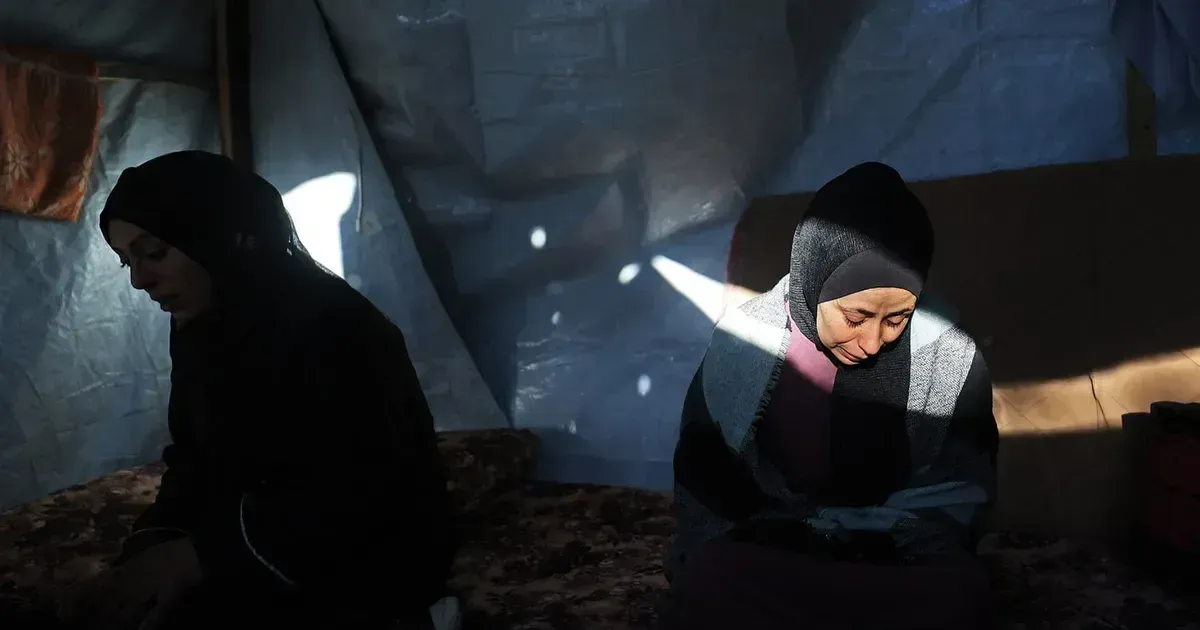
Raed Abu Ouda crouches over a large tin can in a southern Gaza graveyard. On March 13, 2026, the environmental fallout from strikes on oil depots had become a civilian emergency of its own. He burns scraps of plastic and cardboard to generate enough heat to cook a meager meal for his children. Once, he tells visitors, his family lived in what he describes as palaces. Now, they reside among the headstones. He used to live in a palace; now he lives among the dead.
While the world watches the escalating ballistic exchange between Israel and Iran, the humanitarian situation in Gaza has slipped into a secondary tier of international concern. Ceasefire negotiations, once a daily fixture of diplomatic cables in Cairo and Doha, have slowed to a crawl. Abu Ouda reflects on a shell that struck his home in February, an injury he sustained despite the nominal ceasefire. His physical scars serve as a quiet record of a conflict that refuses to end even as the cameras turn toward Tehran. Seven hundred miles to the northeast, nine million residents of Tehran are struggling to draw breath.
Israeli airstrikes targeted several major oil depots on the outskirts of the Iranian capital earlier this week. Massive plumes of black smoke choked the sky for forty-eight hours. When the clouds finally broke, they did not bring relief. Instead, a chemical-laden acid rain fell across the metropolitan area, coating cars, buildings, and human lungs in a corrosive residue. Medical facilities in Tehran report a surge in acute respiratory distress cases.
Gaza Falls Back Into the Background
Iranian state media confirms that the atmospheric pollution levels have reached hazardous heights, forcing the government to shutter schools and public offices. Doctors in the capital describe the precipitation as black water that causes immediate skin irritation and long-term pulmonary damage. Israel hasn't officially commented on the specific environmental fallout but maintains that all targets were strategic nodes in Iran's energy infrastructure. This strategy aims to cripple the Islamic Republic's ability to fund its regional proxies. By hitting the oil depots, Israeli planners chose targets with maximum economic impact and high visibility.
The resulting environmental crisis, however, has created a civilian emergency that the Iranian government is ill-equipped to manage. Infrastructure in Tehran was already strained by years of sanctions. Now, the burden of managing a toxic metropolitan environment falls on a healthcare system lacking essential imported medicines. Prevailing winds could carry these toxic particulates into neighboring Iraq or Turkey. Such a geographic spread would broaden the scope of the disaster, potentially dragging neutral neighbors into the diplomatic fray.
Intelligence reports from the region suggest that the smoke contains high concentrations of sulfur dioxide and nitrogen oxides. These chemicals react with atmospheric moisture to create the acidic rainfall currently blistering the streets of Tehran. Palestinian officials express frustration with the lack of momentum in international mediation. They argue that the focus on Tehran allows the Israeli military to maintain a low-intensity but high-impact presence in Gaza without the usual level of scrutiny. Hunger remains the primary adversary for most families in the southern camps.
Environmental Warfare Raises the Cost
Aid shipments have dwindled as logistical resources and global attention are redirected to monitor the northern front. Elena Vance, a regional analyst, suggests that the dual-front reality serves a specific tactical purpose. By forcing Iran to deal with a domestic environmental catastrophe, Israel reduces the likelihood of a coordinated Hezbollah response. The distraction also buys time for operations in Gaza that might otherwise draw heavier international condemnation. Public attention is a finite resource.
The spectacle of a burning capital city inevitably outweighs the slow grind of famine in a graveyard. Brent crude prices fluctuated wildly since the Tehran strikes, eventually settling at $114 per barrel. Markets fear a prolonged disruption to the Strait of Hormuz if Iran chooses to retaliate against shipping lanes. This reality leaves the global economy in a state of suspended animation.
Until the energy markets stabilize, the humanitarian needs of Gaza remain a footnote in the broader geopolitical calculus. Sources within the Biden administration indicate that the United States is quietly urging restraint while publicly supporting Israel's right to defend itself. Internal memos suggest a growing concern over the long-term environmental effects of targeting petrochemical sites. Acid rain does not respect borders.
Diplomacy Struggles to Keep Pace
If the pollution persists, it could lead to crop failures in the fertile regions surrounding the Iranian capital, sparking a secondary food security crisis within Iran. This decision by the Israeli military to target fuel storage indicates a move toward total infrastructure warfare. Previous decades of conflict focused on precision strikes against nuclear facilities or military leadership. Targeting oil depots creates a social crisis that targets the population's daily survival.
It is a form of pressure that bypasses the military and strikes at the heart of the urban civilian experience. Raed Abu Ouda knows nothing of the chemical composition of the rain in Tehran. His world is bounded by the edges of his tent and the hunger of his children. He tells reporters that the sounds of drones have become the background music of his life.
He wonders if the world has simply run out of sympathy for his people. He waits for a ceasefire that everyone says is coming but never arrives. The environmental dimension turns a military strike into a public-health crisis. Once petrochemical smoke enters the weather system, the damage can move beyond the intended target list. Gaza's place in the story is a reminder that attention has limits. A sudden disaster in Tehran can push a slower humanitarian collapse out of diplomatic view even when the needs remain urgent.