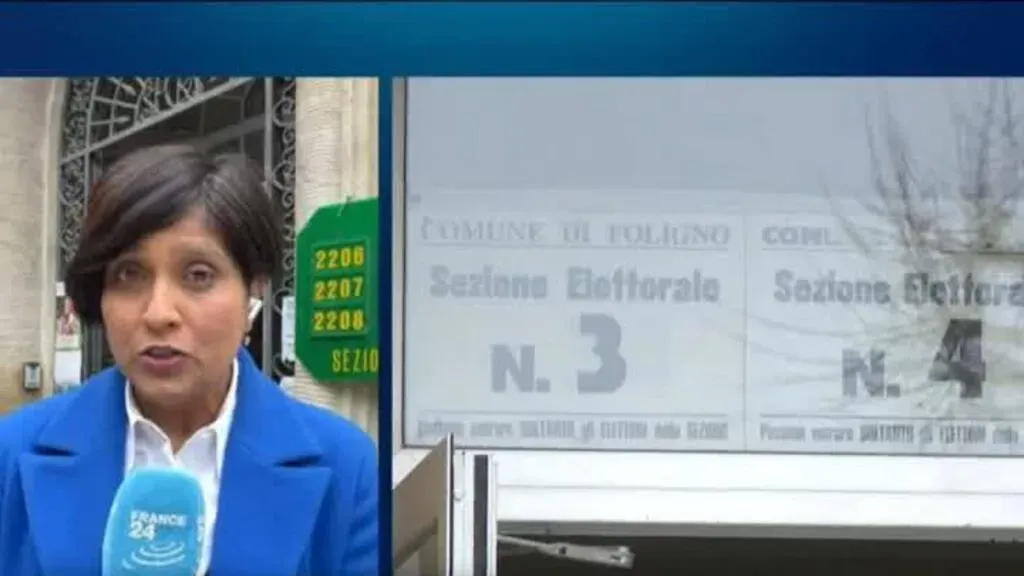
Giorgia Meloni arrived at a Rome polling station on March 22, 2026, to cast her ballot in a referendum that could fundamentally reshape the Italian legal system. Italian citizens began a two-day voting process to decide on structural changes that the Prime Minister claims will ensure a more efficient and independent judiciary. These proposed measures target the enduring tension between the executive branch and the magistracy, a conflict that has defined national politics for decades. High turnout in urban centers suggests the electorate views this specific ballot as more than a technical adjustment to court procedures.

Still, the stakes extend far beyond the mechanics of how judges and prosecutors are assigned to cases. Opponents of the reform package argue the changes will effectively strip the judiciary of its autonomy and place it under the thumb of the ruling coalition. They contend that the separation of careers for judges and prosecutors will weaken the impartial nature of the bench. France 24 reported that the outcome of this vote functions as a proxy for Meloni's overall popularity as she approaches the final year of her current term. A defeat at the polls could signal a waning mandate for her conservative alliance.

Meloni has opted for a confrontational communication strategy to energize her base. She recently asserted that a failure to pass these reforms would lead to a breakdown in law and order across the peninsula. Her rhetoric has specifically linked the judicial overhaul to public safety and border control. During a televised address, she stated that if the reform does not go through, more immigrants, rapists, pedophiles, and drug dealers will go free.

Meloni Battles Critics Over Judicial Independence

Yet, legal scholars and professional associations of magistrates have voiced deep concerns regarding the constitutional implications of the government's plan. The core of the dispute involves the Superior Council of the Magistracy, the body responsible for overseeing the conduct and appointments of judges. Proposed changes would introduce new methods for selecting council members, potentially increasing the influence of politically appointed figures. Critics suggest this creates a gateway for partisan interference in sensitive investigations. They fear the new system will discourage prosecutors from pursuing cases against high-ranking government officials.

In fact, the National Association of Magistrates has led several strikes over the past year to protest the draft legislation. They argue that the Italian system already possesses the necessary checks and balances to ensure fairness. By contrast, supporters of the government claim the current system allows for a politicized judiciary that frequently oversteps its bounds to obstruct legislative agendas. Proponents frequently cite the slow pace of Italian justice, where civil cases can drag on for nearly a decade, as evidence that the status quo is untenable. They believe the reform will introduce needed accountability into a stagnant bureaucracy.

If passed, the reform would be the biggest overhaul of the judiciary since World War II.

To that end, the administration has framed the referendum as a choice between a modern, efficient state and a system trapped in the past. Rome has seen massive demonstrations from both sides of the issue during the lead-up to the vote. Campaign posters across Milan and Naples depict the judiciary either as a shield of democracy or an obstacle to progress. Business leaders have largely remained silent, though many privately favor reforms that could speed up contract enforcement and dispute resolution. Financial analysts suggest that a clear result could impact investor confidence in Italian sovereign debt.

Legislative Overhaul Since World War II Context

Meanwhile, historical context provides a necessary lens through which to view the current upheaval. The Italian judiciary gained significant power and prestige following the 1948 adoption of the republican constitution, which sought to prevent any return to authoritarianism. This structure was designed to be fiercely independent, creating a system where the judiciary is a co-equal branch of government with its own self-governing body. Over the decades, this independence allowed for massive anti-corruption probes like the Mani Pulite investigations of the 1990s. Those investigations collapsed the existing political establishment but created a lasting rift between elected officials and the courts.

For instance, former Prime Minister Silvio Berlusconi spent much of his political career in a state of open warfare with Milanese prosecutors. Meloni, while a different kind of politician, has inherited this adversarial relationship. She argues that the judiciary has become a self-referential caste that operates without democratic oversight. Her proposed reforms represent the most aggressive attempt to date to recalibrate this balance of power. Legal experts note that the 1948 framework was intended to protect against a specific type of executive overreach that many feel is again a relevant concern.

Italy remains one of the few European nations where prosecutors and judges belong to the same professional body and can switch roles during their careers. This fluidity is a primary target of the referendum. The government argues that a prosecutor who later becomes a judge in the same jurisdiction may carry inherent biases. By contrast, the opposition maintains that this shared culture ensures prosecutors act with a judicial mindset rather than as aggressive arms of the state. The debate has become a clash of fundamental legal philosophies with no clear middle ground.

Political Risks Before National Elections

Separately, the timing of the referendum creates a precarious situation for the Prime Minister's coalition. While the vote is supposedly about the courts, it has evolved into a judgment on Meloni's performance since taking office in 2022. Analysts from major European think tanks have observed that a rejection of the reform would be viewed as a vote of no confidence. Such a result would likely embolden the fractured opposition parties and could lead to instability within Meloni's own cabinet. Her partners in the Lega and Forza Italia parties are watching the exit polls with equal parts anticipation and anxiety.

In turn, a victory would provide Meloni with the political capital necessary to push through other controversial items on her agenda, including constitutional changes to the office of the Prime Minister. She has long advocated for a direct election of the premier to ensure greater government stability. The judicial reform is widely seen as the first domino in a series of institutional transformations. If the electorate backs her now, she will likely move quickly to consolidate her power before the 2027 general elections. The current polls show the nation almost perfectly divided on the issue.

Voter turnout will likely determine the final outcome. In many previous Italian referendums, a failure to reach a fifty percent participation threshold rendered the results void. However, this particular vote does not require a quorum to be valid, meaning a simple majority of those who show up will decide the nation's legal future. Early reports from the Ministry of the Interior indicated that turnout in the northern industrial heartlands was higher than in the southern regions. This regional disparity could influence the final tally given the different political leanings of these areas.

Public Reaction and European Union Concerns

Even so, the international community is monitoring the situation with increasing scrutiny. Brussels has previously expressed concerns about judicial independence in other member states, and officials at the European Commission are wary of any moves that might weaken the rule of law in Italy. The release of pandemic recovery funds is often tied to the maintenance of democratic standards and judicial efficiency. A major shift in the legal landscape could prompt a review of Italy's compliance with these requirements. Italian government officials have dismissed these concerns as unwarranted interference in domestic affairs.

According to France 24 correspondent Seema Gupta, the atmosphere in the capital remains tense as the second day of voting begins. Small scuffles were reported between rival activists outside several polling stations in the Trastevere district. Local police have increased their presence to prevent further escalations. Most voters interviewed expressed a sense of fatigue with the constant political bickering but acknowledged the importance of the decision. Results are expected to be announced late Monday evening once all ballots are counted.

Prime Minister Meloni has scheduled a press conference for midnight on Monday to address the nation. Her staff has prepared two different versions of her speech depending on the outcome. Regardless of the result, the debate over the role of the judiciary is unlikely to vanish. It has become a central pillar of the Italian identity and a recurring theme in its turbulent political history. The final tally will be verified by the Court of Cassation within the next forty-eight hours.

The Elite Tribune Perspective

Rome rarely rewards those who seek to cage its judges. Meloni is playing a dangerous game by tethering her political survival to a technical overhaul that the average voter finds opaque and exhausting. By framing the judiciary as a nest of ideological enemies, she is not merely reforming a system but actively dismantling the institutional trust required for a democracy to function. It is a classic populist maneuver: invent a villain within the state to justify an expansion of executive power. If she wins, she gains a compliant legal system; if she loses, she risks being seen as a leader whose reach exceeded her grasp.

History suggests that Italian premiers who attempt to settle scores with the magistracy often find themselves on the losing end of a long-term battle. The judiciary is the only institution in Italy that has consistently survived the collapse of political regimes. Meloni’s rhetoric about rapists and drug dealers going free is a desperate attempt to inject fear into a dry constitutional debate. It is a cynical tactic that underestimates the intelligence of the electorate. The tragedy here is that the Italian justice system truly does need reform, but it needs a scalpel, not the partisan sledgehammer Meloni is currently wielding.