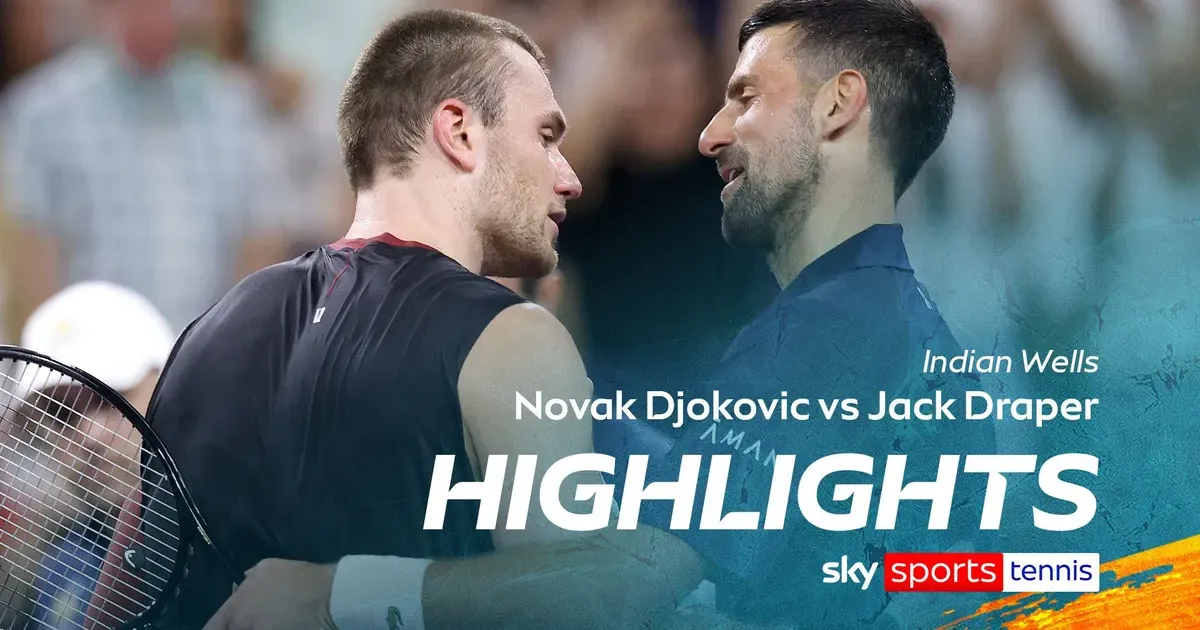
Jack Draper's Indian Wells win over Novak Djokovic was more than an upset; it changed the tournament bracket and the generational argument. The Indian Wells upset landed on March 12, 2026
Draper Lands a Statement Win
Palm trees swayed under the intense California sun as a seismic shift occurred on Stadium 1 during the 2026 Indian Wells Open. Jack Draper, the hard-hitting British left-hander, achieved what many thought impossible by dismantling world number one Novak Djokovic in a match defined by raw power and tactical precision. While the tennis world has often looked for the next successor to the Big Three, Draper provided a performance that suggested the search might finally be over. He dictated play from the baseline and refused to blink during the high-pressure tiebreaks that have long been Djokovic's personal playground. Victory for the Briton came through a relentless service game that consistently topped 135 miles per hour. Djokovic, widely regarded as the best returner in the history of the sport, struggled to find his timing against the sliding delivery of the younger man. Several times during the second set, the Serbian veteran looked toward his player box in visible frustration, unable to solve the puzzle of Draper's heavy topspin. It was a rare sight for a crowd used to seeing Djokovic orchestrate matches with the calm of a grandmaster. This win propels Draper into a high-stakes quarter-final matchup against Daniil Medvedev, setting the stage for a clash of contrasting styles. Success for one British star was met with heartbreak for another on the women's side of the draw, even as Draper earned a result that could change his season.
Sonay Kartal entered her fourth-round match against world number three Elena Rybakina with the momentum of a giant-killer, but her body eventually betrayed her. A persistent back injury, aggravated by the grueling pace of the tournament, forced Kartal to retire midway through the contest.
Djokovic Exit Shifts the Draw
She had shown flashes of brilliance early in the first set, matching Rybakina's flat power with clever slice and movement. Yet the physical demands of the desert conditions proved too much for the rising star. Kartal described the experience as one match too many, a phrase that resonates across a tour increasingly plagued by fatigue and repetitive strain injuries. She had fought through three previous rounds of intense tennis, including a three-hour marathon in the second round. Rybakina remains a formidable force in the draw, but she expressed genuine sympathy for her opponent during the post-match handshake.
The retirement marks a disappointing end to a breakthrough week for Kartal, who is expected to see a significant rise in her world ranking despite the early exit. Medvedev looms as the next hurdle for Draper, and the tactical preparation for this encounter will be vastly different from the Djokovic match. While Djokovic relies on clinical accuracy, Medvedev utilizes his unique court positioning to turn matches into wars of attrition. Draper must maintain his aggressive stance without falling into the trap of over-hitting against a player who retrieves almost everything. The Russian former champion has looked sharp throughout the fortnight, utilizing the slow, high-bouncing courts of Indian Wells to neutralize the power of younger opponents.
British tennis fans have reason for optimism as the 2026 season unfolds. Draper has finally managed to string together a series of matches without the injury setbacks that hampered his early career.
Indian Wells Gets Its Upset
His fitness levels appear to have reached a peak, allowing him to maintain high intensity over three sets in the heat. Still, the challenge of Medvedev will test his patience as much as his power. This match represents the ultimate litmus test for a player aiming to break into the world's top five by the end of the year. The path is narrowing for those hoping for a Djokovic resurgence. He looked a step slower in transition today, a reality that age eventually imposes on even the most disciplined athletes.
While the Serbian remains a threat at the Grand Slams, the week-in, week-out grind of the Masters 1000 circuit is starting to take its toll. Draper took full advantage of this, pressing the attack on second serves and keeping the rallies short. It was a strategy built on confidence and executed with the kind of clinical finishing usually reserved for the legends of the game. Back injuries are notoriously difficult to manage in professional tennis due to the rotational forces required for modern serves and groundstrokes. Kartal will likely head back to London for immediate scans to determine the extent of the damage to her lumbar region.
Her team must now balance the desire for ranking points with the necessity of long-term health.
A Single Upset Can Reorder a Season
Jack Draper knocked Novak Djokovic out of Indian Wells. The upset shifted the tournament draw and boosted Draper's standing, while Djokovic's defeat gave rivals a clearer path through the bracket. Beating Djokovic at a major tour event changes the draw and gives Draper a high-profile benchmark win.
Tennis seasons turn on confidence as much as rankings. Draper did not just win a match; he changed how opponents and audiences will read his ceiling.