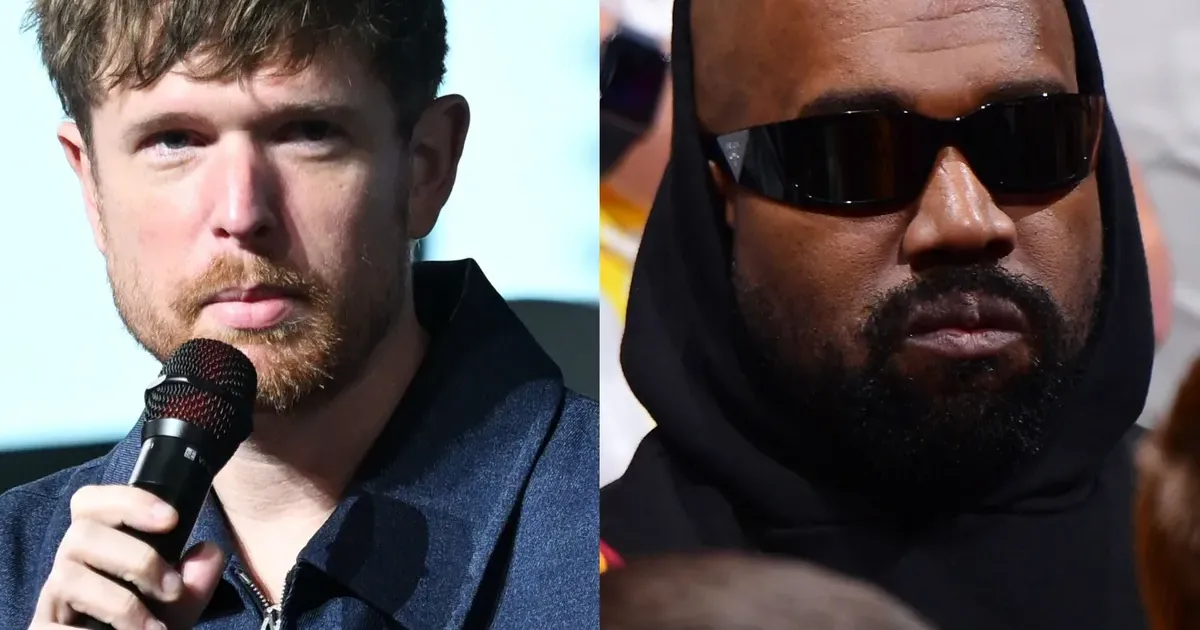
James Blake asked to have his name removed from the credits for "This One Here," the closing track on Ye's album Bully, after saying the released version no longer represented the work he made. The dispute became public after the album reached streaming services in late March 2026 and quickly turned into a wider argument about authorship, metadata and creative control in the streaming era.
Blake did not frame the request as a personal attack on Ye. He said elements of his work remained, including structural and vocal-pitching contributions, but that the final track had moved far enough from his version that he no longer wanted the credit. The dispute is narrow but has larger consequences: when does a contribution remain a credit, and when does the finished public object misrepresent the person listed?
The Song Carries Old Session History
"This One Here" appears to trace back to older Ye and Blake material connected to the unreleased War collaboration. That kind of afterlife is common in modern rap and experimental pop. Stems, freestyles, vocal treatments and production ideas can sit for years before being reused, revised, rebuilt or folded into a new album.
The process can produce interesting records, but it also blurs authorship. A producer may still be technically present in a file while no longer feeling present in the finished track. If later vocal takes, added production or new arrangement choices change the piece enough, the credit begins to describe a history of the file rather than the sound listeners actually hear.
Blake Drew A Professional Boundary
Blake said it was "nothing personal."
The phrase separates the dispute from a fan argument about Ye's controversies or the quality of the song. Blake's point was professional. He did not want to take public credit for a version that, in his view, no longer carried the spirit of his production. For an artist whose reputation rests on meticulous sound design, a credit can function like a signature.
The distinction is easy to miss. Blake was not simply saying he disliked the released track. He was saying the released track should not tell listeners that he produced it in the way the metadata implied. That turns the issue from taste into attribution ethics.
Streaming Makes Metadata Public Immediately
Credit disputes used to sit inside liner notes, label offices and private legal correspondence. Streaming platforms make them visible instantly. A listener opens a track page, sees producer and writer names, and treats that information as the current record of who made the song. If the credit is disputed, the platform becomes part of the public misunderstanding before managers or lawyers finish their work.
That visibility explains why Blake spoke directly through Vault, his direct-to-fan platform. The clarification arrived almost as quickly as the album conversation itself. Direct artist channels now let collaborators challenge release metadata before it hardens into reviews, playlists, databases and royalty assumptions.
Ye's Fluid Albums Raise Collaborator Risk
Ye's albums have often behaved like moving objects, with revised mixes, changing track lists and post-release edits becoming part of the mythology around his work. The Life of Pablo made that approach famous in 2016. For the lead artist, that fluidity can feel like open-ended authorship. For collaborators, it can feel unstable.
A producer may agree to one creative state and wake up credited on another. That creates reputational risk as well as royalty complexity. A Ye credit can still carry prestige, but it can also attach a collaborator to process decisions they did not control. Blake's request showed that the downside is no longer theoretical.
Credits Are No Longer Administrative Debris
Credits are searchable, monetized and reputational. They shape royalty flows, but they also shape how a career is read. When a producer says a credit is inaccurate in spirit, the industry should not dismiss it as ego. It should treat it as evidence that the release process has outrun consent.
Ye may have contractual freedom to reshape old material. Blake has the artistic freedom to say the result should not be presented as his production. Both positions can exist at once, but only one protects the listener from a false impression. If the final song is a collage of later choices, the credits should say so clearly. Otherwise, metadata becomes marketing, and the names attached to a song stop telling the truth about who made what.