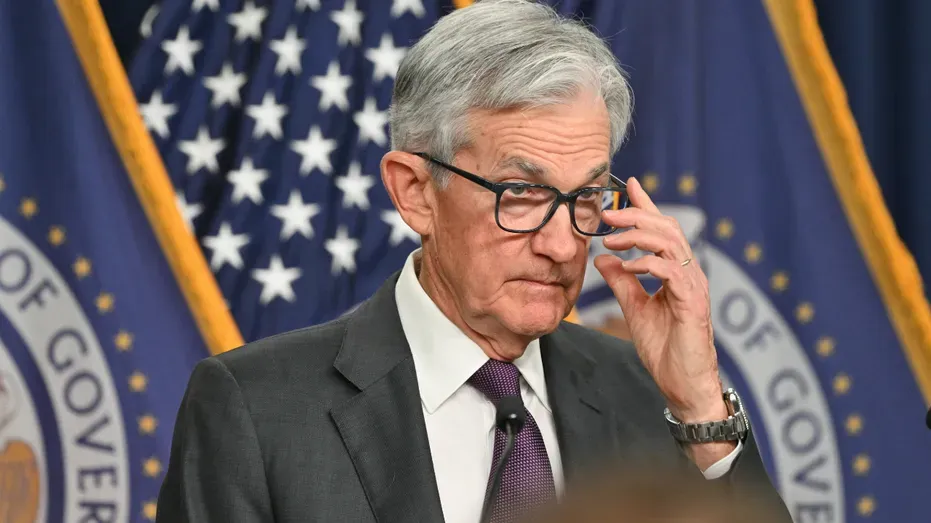
Jerome Powell is fighting a Justice Department criminal probe with a lawmaker blitz, turning a legal threat into a test of Federal Reserve independence. The pressure had been building around Washington for days. By March 12, 2026, senior lawmakers were already asking whether the case was about evidence or political leverage as Powell's allies moved to shape the congressional conversation. The stakes are unusually high because a probe involving a sitting or recent Fed chair is never just a personal legal matter. It touches markets, institutional credibility and the boundary between enforcement and intimidation.
Institutional Independence
The Federal Reserve depends on a public belief that monetary policy is insulated from short-term political pressure. That independence is imperfect, contested and always politically uncomfortable, but it is central to how investors read the central bank. A criminal probe can change that calculation. If the case is built on clear evidence, lawmakers may have to accept a painful legal process. If it appears selective or timed for political advantage, the probe could become a warning shot at the Fed itself. That is why the Justice Department probe is being watched beyond legal circles. It has become a proxy fight over whether powerful economic officials can make unpopular decisions without fearing later retaliation.
Why Lawmakers Matter
Powell's lawmaker outreach is not a courtroom defense. It is a legitimacy defense. By briefing members of Congress, he can encourage questions about process, timing and whether prosecutors are respecting institutional boundaries. The strategy carries risk. Too much political support could make the case look even more partisan, while too little support could leave Powell isolated if the Justice Department escalates. Lawmakers also have their own incentives. Some will defend the Fed as an institution; others may use the probe to attack rate policy, bank supervision or elite immunity.
Market Reaction
Financial markets dislike uncertainty around the people who shape rates, liquidity and financial stability. Even if the probe does not affect day-to-day Fed operations, it can add a political-risk premium to how investors read central-bank signals. The central question is whether the dispute affects credibility. A Fed that appears legally threatened by elected officials or prosecutors may find its forward guidance less persuasive.
The danger is not an immediate rate change. It is a slow erosion of confidence that policy choices are being made for economic reasons rather than legal survival.
Legal Stakes
The Justice Department must be able to investigate wrongdoing without being accused automatically of politicization. But the higher the office, the more carefully prosecutors must explain the basis, process and limits of the case. A vague or leaking probe can damage reputations before facts are tested. A careful probe can strengthen the rule of law by showing that status does not create immunity.
The burden on prosecutors is therefore higher in practice, even if the formal law is the same.
Institutional Test
The next phase will depend on whether the Justice Department moves toward charges, narrows the inquiry or stays quiet while lawmakers press for answers. Each path carries political consequences. Powell's strongest position is procedural: demand transparency where possible, avoid personal theatrics and keep the argument focused on institutional norms. The case is now larger than one official. It is a test of how the United States handles legal scrutiny of economic power without turning independent institutions into political targets.
The political layer is especially sensitive because Powell's decisions have always been measured in public through rates, inflation and employment, not through criminal procedure. A probe changes the venue of judgment. It asks lawmakers and voters to interpret legal signals that may be incomplete, leaked or contested before any formal charge exists. That makes the information environment important. If the Justice Department communicates only through anonymous fragments, Powell's defenders will argue that the process itself is punitive. If prosecutors provide a clear procedural path, the claim of political pressure becomes harder to sustain, even for lawmakers who dislike the timing. Congress has oversight tools, but those tools can also distort a case. Hearings may clarify the record or turn it into television. Letters may pressure prosecutors to explain themselves or create the appearance that elected officials are leaning on an investigation. Powell's team appears to be betting that institutional scrutiny helps more than it hurts.
The market dimension is not abstract. Rate expectations depend on trust that Fed officials can speak about inflation and employment without looking over their shoulders. If investors believe legal pressure is being used to influence policy, even small statements from the Fed may be read as defensive. There is also a separation-of-powers question. The executive branch controls federal prosecution, while the Fed is designed to operate with a measure of insulation from immediate political demands. A criminal inquiry does not automatically violate that structure, but it forces the government to show that enforcement is not being used as a policy weapon. Powell's public posture will need discipline. A personal grievance campaign could weaken the broader argument for independence. A narrower argument about process, evidence and institutional boundaries gives allies something firmer to defend.
The legal facts still matter most. No amount of congressional support can erase credible evidence if prosecutors have it. But in a case this politically loaded, the credibility of the process will shape whether the public accepts the outcome. That is why the next signals from lawmakers, prosecutors and markets will matter together. The fight is moving on three tracks at once, and a mistake on any one of them could make the dispute harder to contain. A further complication is timing. Central-bank disputes can land during sensitive rate cycles, and even a narrow legal development may be interpreted through inflation politics. That can make ordinary Fed communication look defensive when it should remain technical.
The safest institutional outcome would separate legal accountability from policy pressure. Prosecutors would pursue facts, lawmakers would examine process, and the Fed would continue making monetary decisions without treating the probe as a hidden rate signal. That separation is easy to describe and difficult to maintain. Every public move now carries a second meaning, which is why Powell's lawmaker blitz has become such a consequential defense of central-bank independence.
The dispute also forces investors to consider Federal Reserve credibility as a legal and political variable, not only an economic one. That is why this fight is likely to outlast any single news cycle. Even if the probe narrows, the precedent will remain part of future arguments about how much pressure independent economic officials can face before independence becomes only a formal idea.