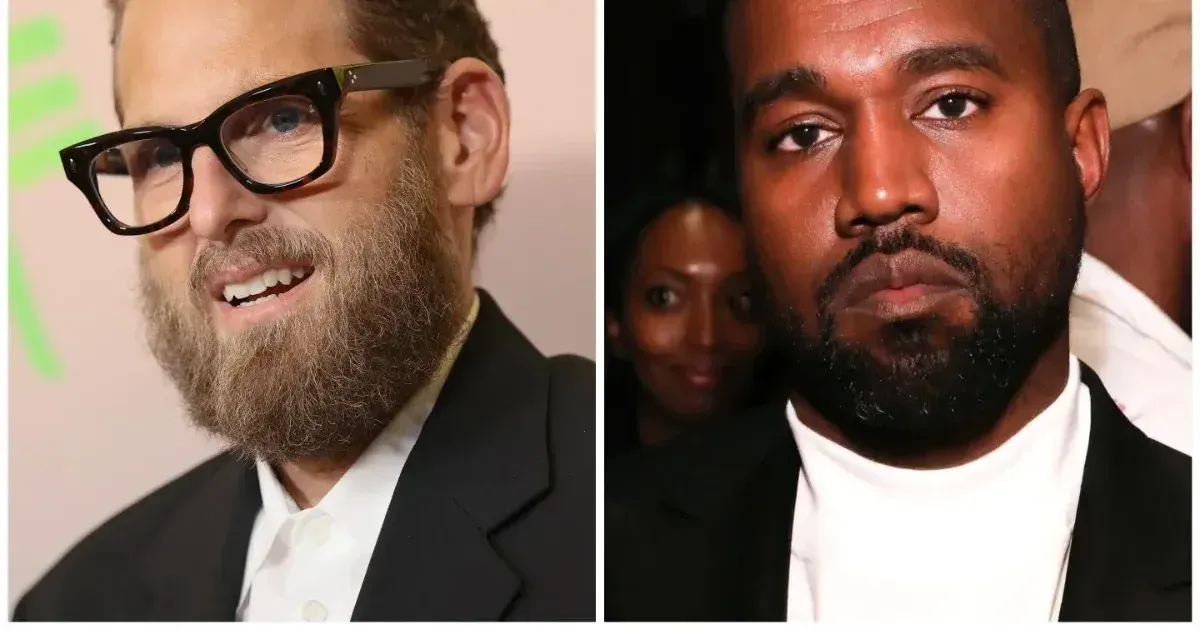
Jonah Hill is distancing himself from a strange social-media episode in which Ye invoked 21 Jump Street as a form of public reconciliation. Hill described the post as bizarre and made clear that a comedy performance cannot excuse antisemitic rhetoric.
His comments surfaced during a Zane Lowe interview tied to new work. The exchange reopened a wider entertainment question about when admiration for an artist becomes a shield against the harm of public statements. That discussion returned on April 7, 2026.
21 Jump Street and the Instagram Reversal
Ye wrote in his March 2023 post that no one should take anger against one or two individuals and transform it into hatred towards millions of innocent people. Reference to the film, which stars Hill and Channing Tatum as undercover police officers, became a viral meme within hours of the upload. While many fans viewed the comment as a humorous pivot, Hill interpreted the move as a calculated public maneuver to bridge a widening gap with his audience. Hill clarified that he did not believe a comedy movie possessed the restorative power to solve deep ideological issues. Cultural analysts agree that the incident highlighted the unpredictable nature of celebrity interaction on Instagram.
Discussions regarding the impact of the post often ignore the specific timing of the message. The rapper had faced a total commercial blacklisting following his praise of historical dictators during an infamous podcast interview. Hill remained silent during the initial frenzy, choosing to wait until the promotion of his latest projects to offer a candid assessment. Speaking to Zane Lowe, the actor emphasized that the hate stuff sucks despite his admiration for the rapper's creative output. This conflict between personal ethics and artistic appreciation remains a central theme in modern cultural discussion.
Artistic Legacy Against Public Outrage
Professional relationships in the entertainment sector frequently collapse when talent faces accusations of bigotry. Hill, who is Jewish, found himself in a unique position when his likeness was co-opted to serve a narrative of forgiveness. Sources within the production of Hill's new film, Outcome, indicate that the actor felt it was necessary to address the situation through his creative work. Reporting by The Hollywood Reporter confirms that a joke about the specific Instagram incident made its way into the final cut of the movie. This decision reflects a desire to reclaim the narrative surrounding a film that debuted over a decade ago. The original 21 Jump Street earned $201 million at the global box office. This latest controversy is part of a broader industry debate regarding the booking of Kanye West for major festivals.
“I felt that he did this bizarre public thing to kind of make up, like, 'It's all good cause I love Jonah,' and it was just a strange way to handle something that was so serious to so many people,” Hill said.
Ye continues to hold a complicated position in the music industry. Jonah Hill explicitly named him the greatest artist to ever live during the interview, a statement that highlights the tension many fans feel. The actor noted that admiring the work of an individual does not require an endorsement of their social or political stances. Public reactions to Hill's comments on April 7, 2026, suggest that the divide between the art and the artist has never been more disputed. The rapper has not issued a formal response to Hill's recent characterization of his post.
Comedy is often a vehicle for processing cultural trauma. Hill appears to use his platform to distance himself from the role of a passive beneficiary of a celebrity apology. Some analysts suggest that by mocking the interaction in Outcome, Hill effectively neutralizes the claim that his work could act as a universal olive branch. The actor has spent the last several years focusing on directing and screenwriting, moving away from the purely comedic roles that defined his early career. Industry veterans argue that Hill's shift toward more serious subjects makes his involvement in this controversy even more jarring.
Narrative choices in Outcome involve a meta-commentary on the nature of fame and the absurdity of social media interactions. Hill directed the project and reportedly spent substantial time refining the dialogue that references the 2023 post. Production for the film occurred primarily in California and Hawaii, with the script undergoing several revisions to ensure the tone remained critical rather than celebratory. While Variety suggests the joke is brief, the inclusion signals Hill's refusal to let the incident fade into obscurity. The film is expected to premiere at major festivals later this year.
Hill Reclaims a Story He Did Not Choose
Hill's response works because it rejects a role he never asked to play. He was not an intermediary, a spokesperson or a shortcut to forgiveness.
By folding the incident into his own creative work, Hill also takes back control of the reference. The joke becomes less about Ye's attempt at image repair and more about the absurdity of using another person's identity as public-relations cover.