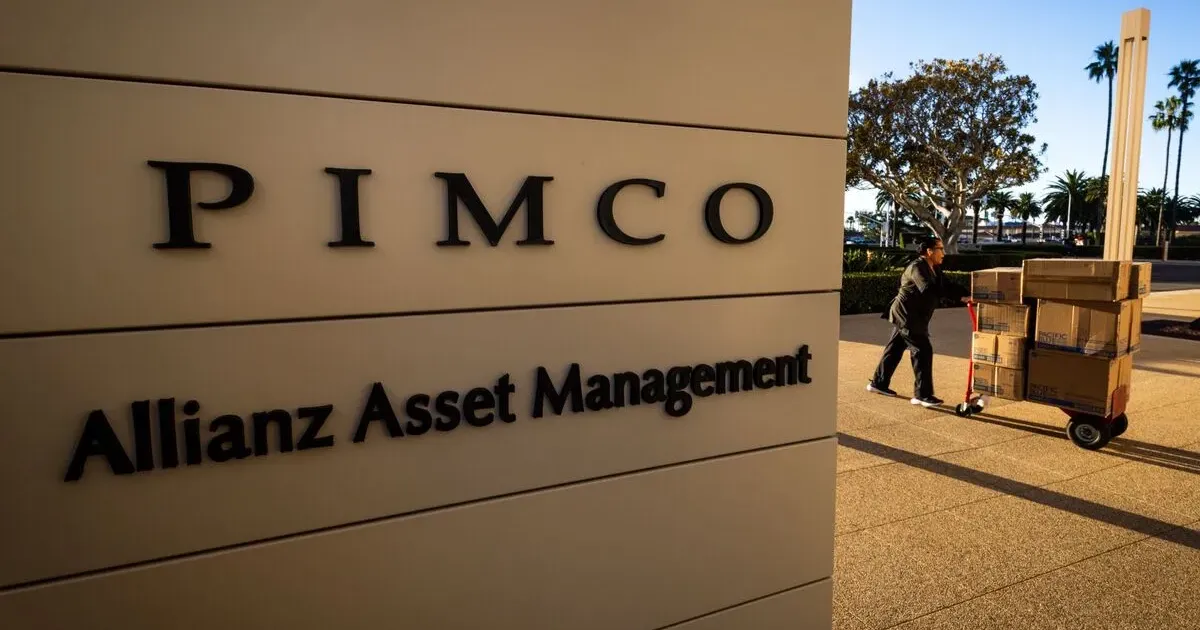
JPMorgan markdowns on private loan portfolios have made private credit’s valuation problem harder for investors to ignore.
Private Credit Marks Down Reality
Manhattan boardrooms are buzzing with a quiet anxiety that has now spilled into the public record. For years, the private credit market functioned as a sleek, unregulated alternative to traditional bank lending, promising higher yields to investors and flexible terms to borrowers. March 11, 2026, marks the day that facade finally cracked under the pressure of deteriorating asset quality. Major financial institutions are now forced to confront the reality that many of these loans were built on foundations of sand. JPMorgan Chase has begun aggressively marking down the value of loan portfolios held by private credit groups. These valuations represent a significant retreat from the optimism that defined the last three years of lending activity. Financial Times reports indicate that the devaluation of collateral will sharply limit the flow of credit to firms that previously served as primary lenders to higher-risk companies. Institutional investors who poured billions into these opaque vehicles are now seeing the first wave of capital erosion. Such a shift suggests that the era of easy money for sub-investment grade borrowers has come to an abrupt, painful halt. Cracks in the foundation are no longer invisible. Pacific Investment Management Co., better known as Pimco, recently issued a scathing assessment of the sector. Bloomberg data highlights their concern that the current strain is the direct result of years of sloppy underwriting standards. Pimco analysts argue that lenders prioritized volume over safety, ignoring traditional risk metrics to win deals in a crowded market. When interest rates remained elevated longer than many anticipated, the thin margins for error built into these loans vanished. Borrowers who looked stable at 4 percent interest are now suffocating under the pressure of 8 percent or 10 percent debt servicing costs. Debt structures that once seemed innovative now look like liabilities. Many private credit deals used highly optimistic earnings projections, or Ebitda add-backs, to justify massive leverage. These accounting maneuvers allowed companies to appear more profitable than they actually were, deceiving both lenders and secondary market participants. Pimco suggests this systemic failure in underwriting has created a backlog of bad debt that will take years to clear. Unlike the public markets, where prices adjust daily, the private sector is only now beginning its slow, agonizing price discovery process. JPMorgan's decision to slash portfolio values is creating a domino effect across the industry. Banks that provide leverage to private credit funds are tightening their belts.
JPMorgan Pulls Back on Loan Values
Reduced collateral values mean these funds have less borrowing power of their own, which translates to fewer loans for the mid-market companies that drive the American economy. While Bloomberg suggests the crisis is rooted in underwriting, Financial Times sources point to the immediate danger of collateral devaluation. Both perspectives lead to the same conclusion: the credit spigot is closing. Liquidity is evaporating. Pension funds and sovereign wealth funds are now questioning their allocations to this asset class. For most of the decade, private credit was the darling of institutional portfolios because it offered a premium over public bonds. That premium looks increasingly like a trap. If the underlying loans are being marked down by 10 or 20 percent by major clearing banks, the total return for the year could turn negative for the first time in the history of many modern direct-lending funds. Internal rate of return metrics, often touted by fund managers, are being exposed as theoretical at best and misleading at worst. Risk management was treated as a secondary concern during the gold rush.
Lenders competed on terms, offering covenant-lite structures that stripped away protections for the creditor. This move left investors with few options when a borrowers performance began to slide. Without the ability to intervene early, lenders are forced to wait until a total default occurs, by which time the recovery value of the assets has usually plummeted. Such a hands-off approach worked when the economy was booming, but it is proving disastrous in a period of stagnation. Interest rate volatility exacerbated the underlying weaknesses.
When the Federal Reserve and the Bank of England moved to combat inflation, they inadvertently pulled the rug out from under private credit. Floating rate loans, which were sold to investors as a hedge against rising rates, became a poison pill for the companies paying the bills. Every rate hike increased the risk of default. Still, the industry continued to lend as if the peak of the cycle would never arrive. Valuation models are currently being rewritten in real time.
JPMorgan's markdowns focus on the physical and intellectual property that secures these loans. In many cases, the market value of the collateral has dropped below the principal amount of the loan.
Collateral Crunch Hits Shadow Banking
This situation creates a technical default even if the company is still making its interest payments. Banks are no longer willing to look the other way. They are demanding more equity from fund managers or forcing the sale of assets to cover the gap. That pressure is felt most acutely by higher-risk companies in the tech and healthcare sectors. Direct lenders are facing their first true test since the global financial crisis.
In 2008, private credit was still a much smaller corner of the financial system. Today, it is a multi-trillion dollar behemoth that sits at the center of the shadow banking system. The math doesn't add up for many of these funds anymore. If they cannot raise new capital because of poor performance, they cannot support their existing borrowers, leading to a vicious cycle of bankruptcies and further markdowns. Regulators are watching with growing alarm.
During 2008, the private credit market was a fraction of its current size.
While these loans are private, the systemic risk they pose is very public. The interconnectedness between major banks like JPMorgan and private credit groups means that a failure in one sector can quickly bleed into another. Federal oversight has historically been light in this area, but that is likely to change. Lawmakers are already asking why these funds were allowed to accumulate so much leverage with so little transparency. Every markdown is another piece of evidence for those calling for stricter capital requirements for non-bank lenders.
Corporate defaults are expected to climb through the end of 2026. Experts at Pimco believe the current environment will separate the disciplined lenders from the amateurs. Those who maintained strict underwriting will survive, though their returns will be diminished. Those who chased yield at any cost are looking at a total wipeout of their equity tranches. It is a harsh lesson in the cyclical nature of credit markets, one that many younger fund managers are learning for the first time.
Why Private Credit Now Looks Fragile
Financial regulators spent the last decade fighting the previous war while a new, darker beast grew in the shadows of private equity. This obsession with bank capital ratios ignored the trillion-dollar elephant in the room: a private credit market that operates with the transparency of a lead box. We are now seeing the inevitable result of allowing yield-hungry pension funds to partner with aggressive direct lenders who have never seen a down cycle. JPMorgan's markdowns are not a fluke; they are the first raindrops of a hurricane that has been brewing since 2021. The industry's reliance on Ebitda add-backs and imaginary earnings was a collective delusion that everyone signed onto because it made the quarterly statements look pretty.
Columnists will likely call this a localized issue, but they are wrong. When the primary source of credit for mid-market companies dries up, the real economy stops breathing. We should stop pretending that these private funds are superior to banks. They are simply banks without the rules, and we are about to pay the price for that negligence. If you think the current markdowns are severe, just wait until the actual defaults start hitting the tape in the fourth quarter.
The party is over, and the hangover will last for years.