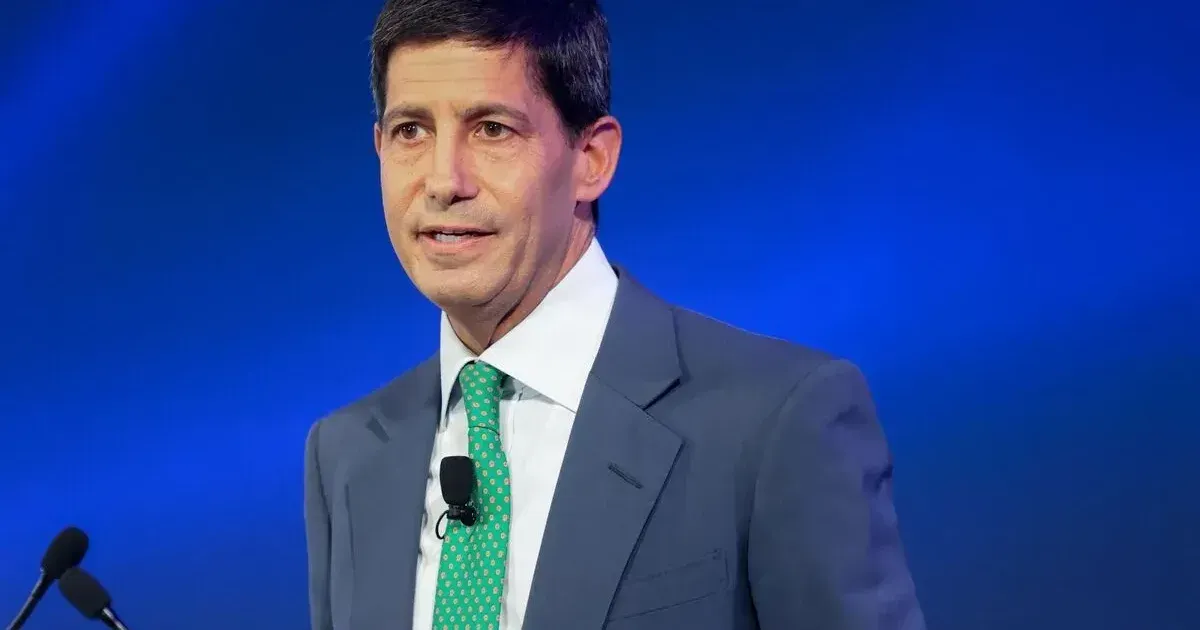
Kevin Warsh stands at the center of a brewing storm on Capitol Hill as his nomination to lead the Federal Reserve faces scrutiny from both ends of the political spectrum. The nomination now depends on whether Warsh can convince a skeptical Senate Banking Committee that he can manage a transition away from restrictive monetary policy. President Trump selected Warsh with the expectation of swift interest rate cuts, yet the economic reality on the ground suggests a much slower path. Oil prices have climbed steadily since the outbreak of hostilities in Iran, injecting a fresh layer of volatility into inflation forecasts. Energy costs remain the primary driver of consumer price uncertainty in early 2026. Power circles in Washington anticipate a contentious hearing process where Warsh must balance his loyalty to the administration against the traditional independence of the central bank.
Energy prices dictate the terms of engagement.
Warsh has seen these dynamics before, having served as the Fed's liaison to Wall Street during the 2008 financial crisis.
Warsh Faces Inflation Pressure at Hearing
Economists surveyed by Bloomberg News have already adjusted their expectations for the Fed's next move. Forecasters shifted the projected date for the first interest rate cut from March to June. Such a delay reflects a growing consensus that inflation is stickier than previously anticipated. The survey suggests the Federal Reserve will likely implement only two quarter-point reductions by the end of December. This delay indicates a cautious approach among central bankers who fear reigniting price growth. Jerome Powell's successor will inherit a delicate balancing act where every basis point carries immense political weight. Bloomberg data indicates that 65% of surveyed analysts believe the Fed will maintain a hawkish stance through the second quarter. Market participants had hoped for more aggressive easing, but the persistent strength of the labor market provides little cover for a rapid policy shift.
War in the Persian Gulf has disrupted global shipping lanes and sent crude oil prices toward $100 a barrel. Rising energy costs translate directly to higher transportation fees for consumer goods, which complicates the Fed's primary mission of price stability. This conflict creates a notable dilemma for a nominee who campaigned on a platform of deregulation and monetary easing. Warsh argued in the past that the central bank should be more responsive to growth, but the current geopolitical crisis forces a pivot toward defense. NYT Business reports that several moderate Republican senators expressed reservations about confirming a chair who might prioritize political directives over data-driven decisions. These lawmakers fear that rapid cuts in the face of an energy shock could lead to 1970s-style stagflation. The Biden-era inflation spikes remain fresh in the memory of the voting public. Brent crude futures rose 4% on the news of the latest refinery strikes in southern Iran.
Senators Test Fed Independence
Senate confirmation requires a simple majority, yet the margin for error is razor-thin. Democrats view Warsh as a partisan appointee who will lack the backbone to raise rates if the administration’s fiscal policies overheat the economy. At the same time, some populist conservatives worry that Warsh's background at Morgan Stanley and his previous tenure on the Fed Board make him too much of an institutionalist. It is a rare moment where the far left and the far right find themselves aligned in their suspicion of a single individual. Warsh spent years criticizing the Fed's bond-buying programs, yet he now finds himself in a position where he may need to use those very tools to stabilize markets. Treasury Secretary Scott Bessent has publicly backed the nominee, though private reports suggest the White House is frustrated by the slow pace of the confirmation process. The Senate Banking Committee scheduled the first round of testimony for next Tuesday.
Institutional independence is a luxury the White House rarely affords its appointees.
Crude oil supply chains have fractured as insurance rates for tankers in the Strait of Hormuz skyrocket. Domestic gasoline prices in the United States reached a national average of $4.15 per gallon this week. Inflationary pressures from the Persian Gulf undermine the case for immediate rate cuts, even as the housing market shows signs of a deepening slowdown. High mortgage rates have crippled existing home sales, creating a stalemate between buyers and sellers. Warsh has hinted that he would like to see the Fed’s balance sheet shrink more aggressively, but market liquidity concerns might prevent such a move. This skepticism reflects the broader anxiety within the financial sector about a leadership change during a hot war. Credit spreads on corporate bonds have widened by 12 basis points since the nomination was announced. Investors are pricing in the risk of a policy error during the transition period.
Historical precedents suggest that the first year of a Fed Chair’s term is often the most volatile. Paul Volcker faced immense pressure to ease rates during the early 1980s, just as Jerome Powell dealt with public criticism from the executive branch during his first term. Warsh is no stranger to these dynamics, having served as the Fed’s liaison to Wall Street during the 2008 financial crisis. His performance during that period was marked by a preference for quick interventions to preserve market functionality. Critics often point to his 2010 warnings about inflation that never materialized as evidence of a flawed forecasting model. Still, his supporters argue that his deep understanding of market plumbing is exactly what is needed during a period of geopolitical instability. The Federal Open Market Committee remains divided on the appropriate terminal rate for the current cycle. Three regional Fed presidents have publicly stated that the neutral rate is higher than previously estimated.
Manufacturing data from the Midwest showed a surprise contraction in February. Weakness in the industrial sector usually prompts calls for lower interest rates, but the service sector continues to add jobs at a steady clip. Wage growth is currently tracking at 4.2% annually, which is well above the Fed's 2% inflation target. Warsh must handle these conflicting signals while the White House demands a weaker dollar to boost exports. A weaker dollar would exacerbate the cost of imported oil, creating a feedback loop of higher prices. The Bloomberg survey revealed that most economists expect the Fed to keep the federal funds rate between 5% and 5.25% until the June meeting. Short-term interest rate swaps indicate only a 15% chance of a cut in May. Traders have largely abandoned bets on a March move. Gold prices hit a record high as investors sought a hedge against both war and currency debasement.
Independence remains a requirement for market stability that the current administration seems eager to test. President Trump has repeatedly stated that the Fed Chair should be someone he can talk to, a stance that alarms institutional investors in London and Tokyo. International central banks have begun to prepare for a more transactional relationship with the Federal Reserve. The European Central Bank has already signaled that it may diverge from US policy if Warsh prioritizes domestic growth over global currency stability. Such a divergence could lead to notable carry trade volatility in the yen and the euro. Warsh has remained largely silent since the nomination, opting to meet with senators in private rather than making public speeches. His goal is to avoid any gaffes that could provide ammunition to his detractors before the hearings begin. The 10-year Treasury yield settled at 4.42% at the close of trading on Friday.
The nomination also forces Republicans to decide how openly they want to pressure the Fed for cuts. Supporting Warsh may please the White House, but it also ties them to the inflation outcome that follows. Markets will read the hearing for tone as much as policy. A nominee who sounds too political could unsettle bond investors before any rate decision is made.
The nomination therefore sits at the intersection of politics and market credibility. Senators can approve a chair, but investors decide whether that chair sounds independent enough to anchor expectations. Warsh’s private meetings may reduce headline risk, yet the public hearing will still test every previous comment about inflation, growth and presidential influence.
Warsh Confirmation Turns on Market Trust
The confirmation path now turns on trust. Warsh has to persuade senators that his rate views are firm enough for inflation but independent enough for a central bank under political pressure.