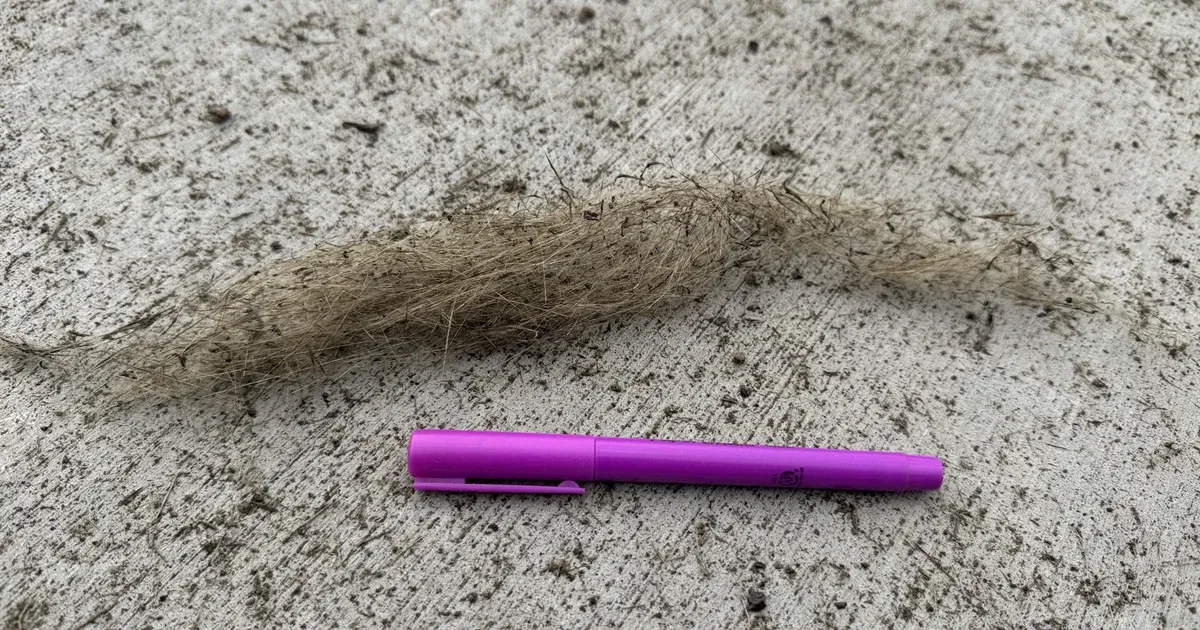
Glassy fragments from Kilauea have forced Hawaii's volcano tourism back into a public-health crisis. The eruption escalated on March 11, 2026.
Kilauea Turns Ash Into a Public Hazard
Pele's hair drifted across the Mamalahoa Highway like strands of spun gold on Wednesday morning, but the beauty of the volcanic glass masked a sharp, physical danger. Hawaii's most active volcano, Kilauea, erupted with a ferocity that caught residents and tourists off guard, even in a region accustomed to seismic unrest. The latest episode began with a subterranean roar that rattled the foundations of homes in the Volcano Village area. Molten rock tore through the crust once again, marking the 43rd distinct eruptive event since late 2024. Residents of the Big Island find themselves in a state of perpetual readiness, yet the specific nature of this discharge brought fresh hazards. Instead of the slow-moving lava flows that characterized the 2018 disaster, this event launched a vertical column of debris that effectively weaponized the atmosphere. Volcanic glass, known locally as Pele's hair or Pele's tears, fell in thick blankets across major thoroughfares. These razor-sharp filaments are formed when bubbles of gas burst in molten lava, stretching the basalt into thin strands that can travel miles on the wind. Hikers and tourists within the Hawaii Volcanoes National Park found themselves trapped as the United States Geological Survey (USGS) issued urgent warnings. Sharp fragments are more than an aesthetic curiosity.
Glassy fragments turned volcanic spectacle into a public-health warning, forcing visitors and residents to treat the eruption as more than a visual event.
They represent a significant respiratory threat and can cause severe lacerations to the skin and eyes. Highway closures became inevitable as visibility dropped to near zero. State officials moved quickly to cordon off the southern entry points to the park, citing the risk of vehicles skidding on thick layers of ash and pumice. Travelers who had booked expensive tours to see the glowing crater now find themselves confined to hotel lobbies miles away. Tourism officials estimate the disruption could cost the local economy millions if the airway remains clogged with glass-laden plumes.
While CBS News reported on the visual majesty of the eruption captured by USGS thermal cameras, the reality on the ground feels far more claustrophobic. A sustainable tourism model looks strained under these conditions. Forty-three eruptions in less than two years suggests a fundamental change in the plumbing of Kilauea.
The Eruption Cycle Speeds Up
Geologists are debating whether the volcanic system has entered a hyperactive phase. Each event drains and refills the summit reservoirs with a speed that defies historical norms. Data from the Hawaiian Volcano Observatory shows that the pressure buildup between events is shortening. If this pattern continues, the infrastructure of the surrounding Puna District may face a slow death by attrition rather than a single catastrophic flow. Health clinics in Hilo and Kailua-Kona report a spike in patients complaining of throat irritation.
Ash and pumice are abrasive, meaning that even a light breeze can turn a backyard into a gauntlet of microscopic needles. Experts at the Department of Health advise residents to keep windows sealed and avoid using air conditioning units that draw in outside air. The long-term effects of inhaling these glass fragments remain a subject of intense study among respiratory specialists. Nobody can negotiate with a tectonic plate. Cultural practitioners view these constant eruptions as more than a geological anomaly.
To many Native Hawaiians, the activity of Pele is a sacred process of renewal and creation. They argue that the Western obsession with managing the volcano misses the point of living on an island formed by fire. This perspective often clashes with the state's drive to reopen highways and resume the flow of tourist dollars. Harmony between these two worlds is becoming harder to maintain as the eruptions grow more frequent. Emergency responders spent most of the afternoon clearing glassy debris from the asphalt.
The sheer volume of material surprised even veteran road crews who have dealt with years of Kilauea's tantrums. Bloomberg's local economic analysts noted that while the 2018 eruption destroyed homes, the 2026 activity is destroying the island's reputation for reliability. Supply chains for essential goods are being rerouted through longer, more expensive paths because the main arteries are effectively grit pits.
Tourism Meets a Glass Rain Problem
Why do we continue to treat Hawaii as a static postcard when it is clearly a construction site? We pour billions into infrastructure that sits on the literal doorstep of an unpredictable furnace, then act shocked when the earth decides to renovate. The 43 eruptions since late 2024 are not a series of unfortunate events. They are a clear eviction notice for the modern delusion that we can tame the Pacific's most volatile systems. We should stop subsidizing the rebuild of luxury estates in the path of inevitable destruction.
The tourism industry's frantic attempts to pivot around the glass rain are embarrassing. It is time to acknowledge that Kilauea is the landlord, and we are merely tenants whose lease is being revoked one ash plume at a time. Continuing to promote these regions as safe destinations is a form of corporate negligence that prioritizes quarterly earnings over human lungs. Let the volcano have its land back. If the state cannot ensure basic highway safety because of a persistent rain of glass, the area is no longer a viable hub for mass tourism.
We need to stop fighting Pele and start respecting the fact that she doesn't want us there.