Kyiv's territorial gains near Dnipropetrovsk have turned battlefield movement, drone warfare and Washington strategy into one connected test for Ukraine.
Frontline Tactical Breakthroughs
Dnipropetrovsk remains the focal point of a shifting eastern front where Ukrainian forces recently achieved their most notable gains in months. Military commanders in Kyiv confirmed that their troops liberated 400 square kilometers of territory previously held by Russian forces. This territorial recovery effectively dismantles the security perimeter Vladimir Putin attempted to establish earlier this year. Ukrainian units moved with surprising speed, utilizing light infantry and localized drone swarms to bypass heavy Russian fortifications. Reports from the ground indicate that the liberation of these areas has restored Ukrainian control over nearly the entire Dnipropetrovsk region. Moscow had spent months constructing what it termed a buffer zone intended to insulate its supply lines from Western-provided long-range artillery. That strategy now appears to be in tatters. Local resistance and precise strikes on Russian logistics hubs forced a disorganized retreat across several sectors. Small villages that had been under occupation for nearly a year saw Ukrainian flags raised once again this week. Soldiers described the Russian defenses as brittle, suggesting that the pressure of maintaining a large front while supporting operations elsewhere is exhausting the Kremlin’s reserves.
Success in the east comes at a time when the geography of modern conflict is expanding far beyond traditional borders. Professor Scott Lucas, a specialist in American studies at the Clinton Institute, suggests that the war in Ukraine and the escalating hostilities involving Iran are no longer distinct events. Instead, they have merged into a single, interconnected global theater. Ukraine possesses a unique currency in this new reality: unmatched expertise in large-scale drone operations. Kyiv is now leveraging this experience to assist the United States and various regional partners as they confront Iranian-backed forces in the Middle East.
The Drone Bridge Between Two Theaters
Ukraine has become the world’s primary laboratory for autonomous warfare. This technological advantage allows Kyiv to offer strategic value to Washington that extends beyond its own borders. Professor Lucas argues that Ukrainian military advisers are providing critical insights into how to counter Iranian-made munitions, many of which are identical to the drones Russia uses to strike Ukrainian cities. By sharing this data, Kyiv strengthens its alliance with the West while simultaneously weakening the military partnership between Moscow and Tehran. Such cooperation ensures that Ukraine remains indispensable to American security interests regardless of shifting political winds in Washington.
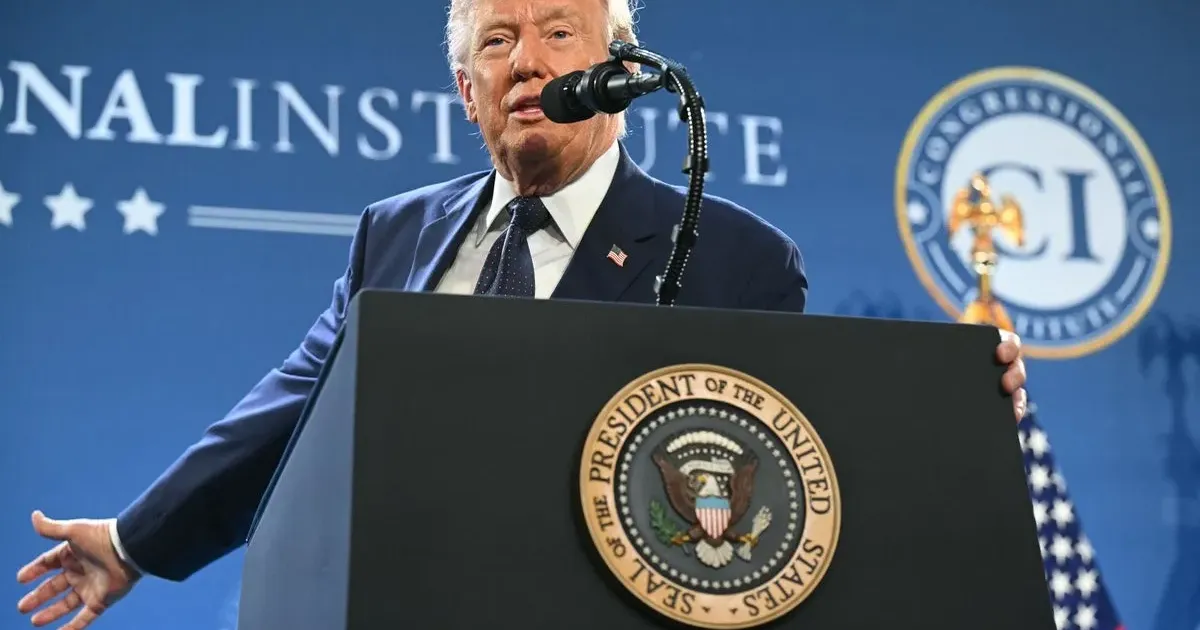
But the political winds in the United States are blowing in unpredictable directions. President Donald Trump has issued a series of statements regarding the Iran conflict that have left many diplomats confused. While he maintains a hardline stance against Tehran, he has simultaneously suggested that he might lift oil sanctions on Russia. This move would represent a radical departure from the existing American policy of economic isolation against the Kremlin. Critics argue that rewarding Moscow with sanctions relief would undermine the very progress Ukrainian troops are making on the battlefield.
Putin stands to gain the most from such a policy shift.
Sam Kiley, world affairs editor at The Independent, questions where the American president’s true loyalties lie in this arrangement. Kiley notes that lifting oil sanctions would provide Putin with a large financial windfall just as the Russian economy begins to buckle under the pressure of prolonged mobilization. It would also create a bizarre paradox where the United States supports Ukraine’s military efforts while simultaneously funding the Russian war machine through restored energy markets. Trump’s motivation appears to be a desire for a quick exit from the messy conflict in Iran, yet the cost of that exit may be the total abandonment of the pressure campaign against Moscow.
A Fractured Sanctions Strategy
Washington remains divided over the wisdom of trading Russian sanctions for Iranian concessions. Traditional hawks in the Republican Party view any relief for Putin as a betrayal of European allies. These lawmakers point to the recent victories in Dnipropetrovsk as evidence that the current strategy of attrition and economic pressure is working. If the United States removes the oil embargo, the incentive for Russia to negotiate a fair peace in Ukraine essentially vanishes. Oil revenue would allow the Kremlin to replenish its losses and launch a new offensive by next spring.
Evidence of Russian desperation is visible in the debris of the Dnipropetrovsk front. Abandoned equipment and hasty retreats suggest a military that is struggling to hold ground without constant reinforcements. Kyiv has capitalized on these vulnerabilities by integrating electronic warfare units directly into their frontline squads. These units jam Russian communications while directing precision drone strikes on tank columns. The math doesn't add up for the Kremlin if they continue to lose 400 square kilometers of territory every time they attempt to consolidate their positions.
Modern wars grow increasingly complex as technology and energy politics collide. Ukraine’s survival now depends as much on the price of a barrel of crude oil as it does on the bravery of its infantry. If Trump proceeds with his plan to reintegrate Russian oil into the global market, the tactical wins in the east may become footnotes in a larger story of geopolitical realignment. European leaders have expressed private alarm at the prospect of a bilateral deal between Washington and Moscow that excludes Kyiv and Brussels. They fear that a grand bargain could leave the continent vulnerable to future Russian aggression once the immediate crisis in the Middle East subsides.
Yet, for now, the momentum belongs to the Ukrainian defenders.
Every kilometer reclaimed in the east is rebuttal to the idea that the war is a stalemate. Military analysts believe that if Kyiv can maintain this pace of operations, they could threaten Russian-held positions in the south before the summer heat arrives. Success on the battlefield remains the strongest argument for continued Western support. So long as Ukrainian forces are liberating their own land, it remains politically difficult for any American president to justify a pivot that benefits the aggressor in the Kremlin.
Frontline Credibility Test
The territorial gain matters because it gives Kyiv a concrete answer to doubts about battlefield momentum. It also increases pressure on Washington to explain whether aid decisions are matching conditions at the front.