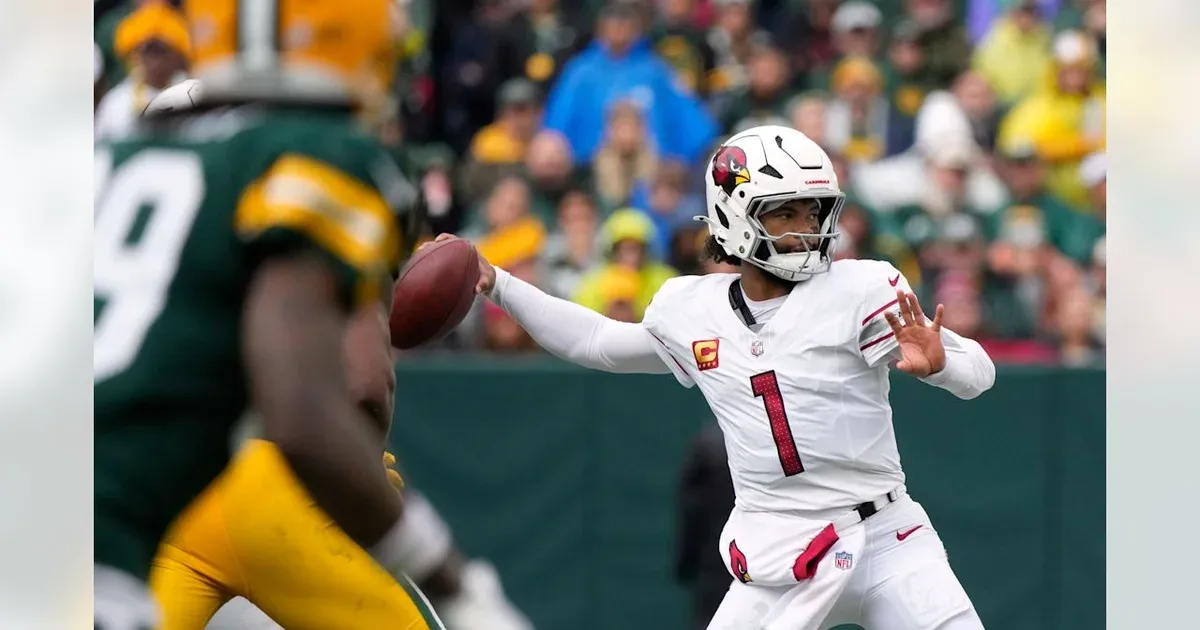
Kyler Murray and Kirk Cousins entered free agency after official releases that reshaped the NFL quarterback market in one afternoon. The March 2026 moves placed two expensive, recognizable passers into a pool already crowded with veterans, bridge options and teams trying to escape old contracts. Atlanta moved on from Cousins after a deal that never fully matched its cost. Arizona ended the Murray era after years of flashes, injuries and uneven team results. By March 11, 2026, the releases in both cases said as much about roster economics as they did about quarterback talent.
Atlanta Chooses Flexibility
The Falcons' decision on Kirk Cousins reflected a desire to stop paying for a past expectation. His age, injury history and turnover issues made the contract difficult to defend once the team shifted toward Michael Penix Jr. A post-June 1 designation can soften the cap hit across seasons, but it does not erase the mistake. Atlanta also added Tua Tagovailoa on a short deal, creating a different kind of quarterback room. Penix remains the future if the plan holds. Tagovailoa gives the team experience and insurance without the same long-term commitment that made Cousins so restrictive.
Arizona Ends the Murray Bet
Murray's release is more complicated because he is younger and still offers rare athletic upside. The Cardinals, however, had to weigh that upside against injuries, guarantees and a losing record across his tenure. Moving before future triggers gave the front office a chance to reset rather than extend uncertainty. Kyler Murray will still draw calls because quarterbacks with his movement skills rarely become available at 28. The question for suitors is whether they are buying a rebound or inheriting the same durability and consistency concerns that exhausted Arizona.
Kyler Murray will still attract interest because quarterbacks with his movement skills rarely reach the market at 28.
Veterans Face a Buyers' Market
The market now favors teams more than quarterbacks outside the elite tier. Aaron Rodgers, Russell Wilson, Joe Flacco and other veterans create supply, while many franchises prefer rookie contracts or short bridges. That squeezes the middle class of passers who are good enough to start but too expensive to build around comfortably. Minnesota has been linked to Murray, and the fit is easy to understand if the Vikings want upside rather than another pure stopgap. Still, medical reviews and contract structure will matter as much as highlight film. Teams have learned to protect themselves from paying star money for uncertain availability. The releases show a league correcting its quarterback spending habits. Elite passers remain priceless. Everyone else is being asked to prove that the cap space, injury risk and scheme commitment are worth it. Murray and Cousins now become the clearest test cases of that correction. The financial lesson is already clear. Teams are no longer willing to let a large quarterback contract dictate the depth chart if the play does not justify it. Dead money still hurts, but general managers increasingly prefer one painful accounting year to several seasons of competitive drift.
For Cousins, the next opportunity may depend on whether a team wants a veteran who can stabilize a room without being sold as the future. That role can be valuable, but it usually comes with a smaller salary and less patience. He may have to accept that the market now sees him differently than it did when Atlanta signed him.
Murray's market is more volatile. Coaches will imagine designed movement, explosive plays and a revived passing game. Medical staffs and cap managers will focus on missed games, guarantees and whether his style can hold up through a full season. The gap between those views will shape his next contract.
The broader quarterback market is becoming less sentimental. Teams still overpay when desperation hits, but the middle tier is losing leverage. Cousins and Murray are not the same player, yet they reached the same point: talented enough to interest teams, expensive enough to make them cautious.
Minnesota, if it pursues Murray, would have to decide how much of its offense should be rebuilt around his mobility. A team cannot simply plug him into a pocket-passing structure and expect the best version of the player. The upside comes with design obligations.
Cousins faces a different path. He may appeal to teams that want a professional passer for a limited window, especially if a rookie needs time. But the days of selling him as a long-term franchise answer may be over. That does not end his career; it changes his price and role.
The releases may also affect agents negotiating future veteran deals. Guarantees, injury protections and trigger dates will receive more scrutiny because teams have fresh examples of how expensive exits can become. Quarterbacks will still get paid, but front offices will look harder for escape routes.
For fans, the market correction can feel cold. For teams, it is survival. A quarterback who is expensive and uncertain can trap a roster between rebuilding and contention. Atlanta and Arizona chose the pain of release over the slower pain of pretending.