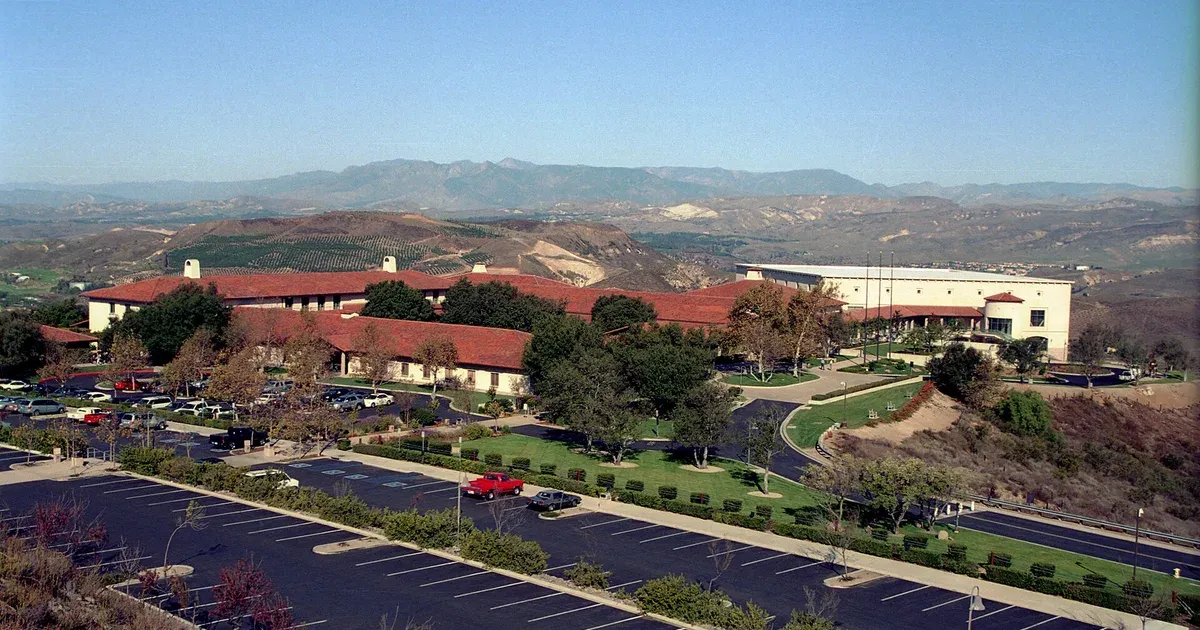
Lawmakers are questioning whether corporate settlement money tied to tech and media cases reached the public purpose it was supposed to serve.
Settlement Millions Draw Scrutiny
Capitol Hill investigators are sharpening their focus on a financial mystery involving four of the world's most powerful media and technology companies. March marks one year since the abrupt closure of a private fund intended to finance a future presidential library. The questions sharpened on March 11, 2026, as lawmakers pressed for a clearer account of the money trail. Documents obtained by members of the House Oversight Committee suggest that at least $63 million vanished from public view during the transition period of 2025. Money flowed from ABC, Meta, Paramount, and X. None of the parties involved have offered a clear explanation for where that capital sits today. Corporate giants rarely hand over millions without a fight. These specific payments stemmed from a series of high-stakes legal settlements involving the president and his legal team. Meta and X reportedly paid into the fund to resolve long-standing disputes regarding content moderation and account access during previous years. Broadcasters ABC and Paramount reached their own private agreements to settle claims of contractual interference and defamation. Totaling $63 million, the combined settlements represented a significant war chest for any archival project. Financial records indicate the primary repository for these funds was dissolved in late 2025. This maneuver occurred just as the presidential library planning committee was expected to begin selecting a site. Congressional Democrats now want to know if these funds were redirected into personal or political accounts. Representative Jamie Raskin and other members of the Oversight Committee sent a formal demand for an accounting of the $63 million last Tuesday. Public disclosure of such large sums is usually required under federal ethics laws, yet the unique structure of the settlement fund may have exploited a legal loophole. He argues that the public has a right to know how money earmarked for a public-facing institution like a library is being managed. Legal experts point to the Presidential Libraries Act of 1955 as the source of many current complications. Presidential libraries are hybrid entities. Typically, these institutions start as private foundations that raise money to build a facility. Once completed, they are handed over to the National Archives and Records Administration (NARA) to be managed by the federal government. Private foundations do not have the same transparency requirements as government agencies or political campaigns. Federal law allows these foundations to shield the identities of many donors, but it does not explicitly address settlements paid by corporations to a sitting president. NARA officials clarified last week that they have no record of receiving any portion of the $63 million settlement money. Because the library project has not yet been formally turned over to the government, the agency lacks the authority to audit the private foundation's books.
Presidential Library Finance Loophole
Settling legal disputes through a library fund is a relatively new tactic. Lawyers for the president previously claimed that the settlements were compensatory for lost business opportunities and reputation damage. Each company had its own reasons for reaching an agreement rather than risking a lengthy trial in 2025. Meta faced pressure regarding its handling of political advertising and past bans. Paramount and ABC were entangled in disputes over licensing and the treatment of specific media segments. X, owned by Elon Musk, has long maintained a complex relationship with the administration. Such a broad range of industries paying into a single, now-defunct fund has triggered alarms across the aisle. Critics of the investigation say it is nothing more than a partisan fishing expedition. Oversight is necessary to ensure the presidency is not being monetized through private legal deals. Accountability feels like a relic.
If the money is gone, the question is where it landed. No one expects a check of this size to simply disappear without a digital footprint. Transparency was lacking from the moment the fund was dissolved. White House officials have remained largely silent on the matter, referring all inquiries to the private attorneys who negotiated the settlements. Press Secretary Karine Jean-Pierre told reporters that the administration does not comment on private legal matters of the president.
Such inquiries are seen by the administration as politically motivated attacks. This is the second time in three years that presidential financing has come under scrutiny. It remains unclear if the Justice Department will open a formal inquiry into the matter. Banking records obtained through separate civil litigation hint at a series of transfers. Offshore accounts and domestic LLCs appear in some preliminary documents.
Internal memos from Paramount suggest that their payment was wired to a specific escrow account that was closed three days after the deposit. One specific transfer for $15 million remains completely unaccounted for in any known ledger. Several shell companies were registered in Delaware shortly before the settlements were finalized. Most of these entities have since been deactivated.
Tracing Money Through Shell Companies
The paper trail is not entirely cold, but no one has been able to link these companies directly to the library board members. The unresolved question is why the fund was dissolved so quickly. The timing suggests a desire to clear the books before the current legislative session began. History suggests that presidential finances are rarely simple.
Nixon had his secret donors. Clinton faced questions about the financing of his Little Rock facility. Trump's situation is different due to the direct involvement of tech giants and major broadcasters. Millions of dollars coming from entities that the government regulates creates a clear conflict of interest. Voters deserve to know if these payments influenced any policy decisions regarding antitrust or media regulations in 2025.
Taxpayers might not be on the hook for the construction, but the integrity of the office is at stake. Private donors have always funded these projects, but corporate settlements are a new frontier. Every dollar that cannot be accounted for deepens the public's distrust of the system. Whether the Oversight Committee can force disclosure is still unresolved. Legislative action might be required to close the loopholes in the Presidential Libraries Act once and for all.
Subpoenas could be the next step for the committee if the White House continues to stonewall requests for information. Financial institutions involved in the transfers are likely to receive the first round of legal demands. Failure to provide a ledger could lead to a constitutional showdown over executive privilege. This investigation will likely drag on through the summer. Justice Department officials are reportedly monitoring the situation, though they have not yet issued any formal statements.
Attorney General Merrick Garland has been cautious about involving the DOJ in what many see as a legislative matter. Political pressure is mounting from both sides of the aisle to resolve the mystery of the missing millions. November looms large for everyone involved.
Why the Library Fund Matters
Has the American presidency finally evolved into a subscription service? The revelation that $63 million in corporate settlements simply evaporated into a dissolved fund is not just a failure of accounting, it is a blatant middle finger to the concept of public transparency. We are asked to believe that some of the most litigious corporations on Earth handed over tens of millions of dollars out of the goodness of their hearts to build a library that currently has no site and no staff. Such a narrative is insulting to the intelligence of the American electorate. While the Oversight Committee plays its usual game of partisan theater, the real story is the normalization of the presidency as a private litigation vehicle.
If a president can extract massive settlements from regulated industries and then shutter the collection vehicle without a trace, then the office is no longer a public trust. It is a protection racket. The Democrats are right to ask where the money went, but they are likely too late to stop the precedent from being set. We have reached a point where the highest office in the land operates with the financial opacity of a hedge fund based in the Cayman Islands.