Seoul Forces Price Compliance as Global Energy Costs Climb
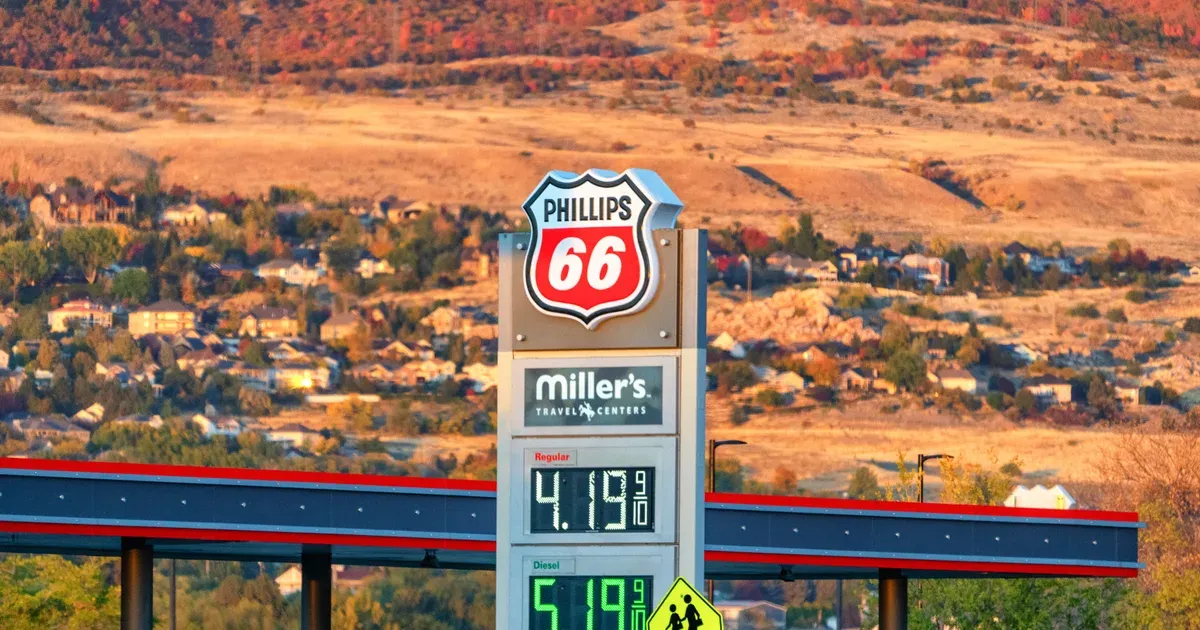
Seoul became the center of a high-stakes economic confrontation when President Lee Jae Myung demanded absolute transparency from the domestic oil industry. The timeline was fixed to March 13, 2026. His administration moved to enforce a mandatory fuel price cap system, a policy designed to shield South Korean households from the volatility of international crude markets. Lee directed government agencies to deploy monitoring teams to gas stations across the country, ensuring that recent tax cuts and price limits reach consumers rather than padding the margins of private retailers. These enforcement squads will focus on identifying price gouging or the withholding of inventory by station owners who expect future price hikes. On March 12, 2026, Lee's monitoring order turned fuel prices into an enforcement issue.
Price control without transparent cost data is just a political receipt handed to angry drivers.
Kim Jung-kwan, the Industry Minister, summoned executives from the nation's four major refiners to a closed-door session earlier in the day. He told representatives from SK Innovation, GS Caltex, S-Oil, and HD Hyundai Oilbank that the government expects full cooperation in stabilizing the domestic energy sector. Kim emphasized that the private sector must share the burden of economic stabilization during a period of intense inflationary pressure. His tone suggested that voluntary compliance is the preferred path, yet he left little doubt that the state possesses the regulatory tools to punish those who prioritize quarterly profits over the national interest.
Market data indicates that South Korea remains uniquely vulnerable to external shocks because it imports nearly all of its hydrocarbon needs. Brent crude prices surged above 95 dollars per barrel last week, creating a ripple effect that threatened to push domestic gasoline prices beyond 2,000 won per liter. Public frustration has reached a breaking point in Seoul and Busan, where commuters rely heavily on personal vehicles. Lee Jae Myung is betting his political capital on the idea that direct state intervention can decouple domestic retail prices from the chaos of the Singapore trading hub. Local retailers expressed immediate concern regarding the logistical reality of the new caps.
Associations representing gas station owners argue that many independent operators purchased their current stock at peak prices. Forcing them to sell at a capped rate could result in significant financial losses for small businesses that operate on razor-thin margins. Government officials countered this by pointing to a temporary subsidy program designed to bridge the gap for compliant stations. This strategy attempts to balance the needs of the working class with the survival of the retail energy infrastructure.
Monitoring Teams Deploy to Prevent Inventory Hoarding
President Lee warned that any attempt to manipulate supply would face severe legal consequences. Investigations will target stations that suddenly close for maintenance or display out-of-order signs during price fluctuations. Ministry of Trade, Industry and Energy officials confirmed that they have already identified several dozen sites where price discrepancies suggest non-compliance. These locations will face immediate audits. The administration intends to publish the names of non-compliant stations on a public database to utilize social pressure as an enforcement mechanism.
Refiners face a different set of pressures as they handle the transition to a regulated pricing environment. While they benefit from long-term supply contracts, the government mandate requires them to adjust their wholesale rates in real-time. Kim Jung-kwan told the oil executives that the public would not tolerate record-breaking dividends while citizens struggle to heat their homes or commute to work. He requested a detailed breakdown of their cost structures to verify that the price caps are being implemented fairly across the supply chain.
Historical precedents for such aggressive intervention often show mixed results in modern economies. Skeptical economists in Seoul suggest that price controls can lead to artificial shortages if the state does not manage the entire distribution network. If refiners decide that exporting their product is more profitable than selling it domestically under a cap, the local market could face a supply crunch. The Ministry of Industry countered this by suggesting that export quotas remain a secondary option if the current cooperation-based model fails. Such a move would represent a radical departure from the market-oriented policies that defined the previous decade of Korean trade.
Consumer advocacy groups welcomed the monitoring initiative but questioned its long-term viability. Many activists argue that the government should focus on a permanent shift away from fossil fuel dependency rather than temporary price fixes. But the immediate political reality remains focused on the next election cycle and the necessity of keeping the economy moving. Lee Jae Myung has consistently positioned himself as a protector of the common worker, and the fuel price cap is the centerpiece of that narrative.
Global Context and the Won-Dollar Exchange Rate
Currency fluctuations further complicate the ministry's efforts to control the pump. A weakening Korean won makes dollar-denominated oil imports more expensive, effectively neutralizing some of the benefits provided by the tax cuts. Financial analysts at several major Seoul banks noted that the government might need to intervene in the currency markets to support the price cap policy. If the won continues its downward trajectory against the dollar, the cost of maintaining the subsidies could become a significant drain on the national treasury.
Industry leaders remain quiet in public but expressed private reservations about the precedent being set. One senior executive at a top-tier refiner noted that once the government begins setting prices, returning to a free-market model becomes politically difficult. The executive suggested that the current measures might be extended indefinitely if global volatility persists through the end of the year. This uncertainty has already started to affect the stock prices of energy companies on the KOSPI, which saw a modest decline following the president's announcement.
The economics do not favor a prolonged price war against global markets. Enforcement remains the most difficult hurdle for the Ministry of Industry. With over 11,000 gas stations spread across the peninsula, the government lacks the manpower for daily inspections of every site. President Lee has called for a civic reporting system where citizens can upload photos of station price boards to a government app. This crowdsourced surveillance model aims to fill the gaps in the state's monitoring capacity. It creates a direct link between the president's policy goals and the everyday actions of the electorate.
Regional variations in fuel costs also pose a challenge for the centralized cap system. Stations in remote areas or on Jeju Island face higher transportation costs than those located near the major refineries in Ulsan or Daesan. The Ministry of Industry acknowledged these differences but insisted that the caps must remain uniform to prevent regional inequality. Whether the temporary subsidies will be enough to cover these logistical disparities remains a point of contention among rural station owners.
Fuel Price Enforcement
A fuel cap only works if the public believes the numbers at the pump are real. Seoul is right to put station owners and refiners under pressure, but the policy will fail if monitoring becomes theater.