London’s vanishing living rooms show how rental pressure can reshape the basic idea of a home. The housing squeeze became harder to ignore on March 12, 2026
London Rentals Lose the Lounge
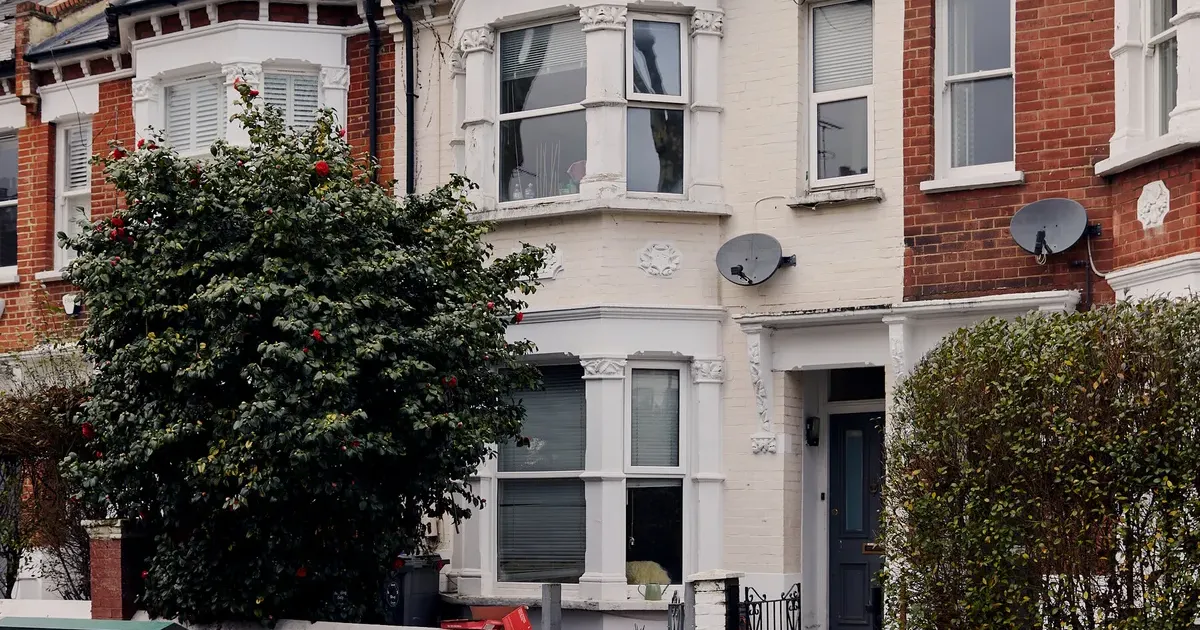
Hackney's narrow Victorian terraces were originally designed for nuclear families, but 2026 finds them subdivided into claustrophobic cells. Marketing professionals in their early thirties now navigate corridors cluttered with bicycles and drying racks, living in houses where the communal lounge has been sacrificed for profit. Landlords across the capital are systematically stripping away living rooms to create extra bedrooms, a practice that maximizes rental yield at the expense of human dignity. Sarah Jenkins, a 32-year-old architect, represents the face of this modern urban fatigue. She pays 1,300 a month for a room that barely fits a desk, sharing a single kitchen with five strangers in a house that officially has no common area. London's property market has entered a phase of cannibalization where square footage is the only metric that matters to investors. Renters who once expected a sofa and a television as standard features of a shared home now treat such amenities as unattainable luxuries. Recent data suggests that over 40% of private rentals in Zone 2 have undergone these conversions, turning four-bedroom houses into six-occupant units. Wealthy investors see high-performing assets while residents see cages. Still, the demand for any roof in the capital remains so high that these listings often disappear within hours of being posted on platforms like SpareRoom, as renters described homes where shared space had simply disappeared. Economic stagnation and the failure of successive housing policies have trapped an entire generation in a state of permanent adolescence. This financial pressure forces adults with professional degrees to live like undergraduate students well into their fourth decade.
Housing Math Beats Household Life
Wages in the financial and creative sectors have failed to keep pace with the 35% surge in average rents recorded since 2022, so the dream of homeownership has been replaced by the frantic hope of securing a room that isn't a converted pantry. Many Londoners now spend upwards of 50% of their post-tax income on rent, leaving little for the savings required to ever exit the rental cycle. Local councils struggle to police the explosion of Houses in Multiple Occupation (HMOs) because the regulatory framework remains porous. Property owners exploit permitted development rights and minor internal modifications to bypass traditional planning scrutiny.
While a license is technically required for larger HMOs, many landlords operate under the radar or provide just enough space to meet the bare minimum legal requirements for a 'habitable' room. Enforcement officers are overwhelmed, often only intervening when neighbors complain about noise or overflowing bins. Such a lack of oversight allows the quality of London's housing stock to deteriorate while prices continue their upward trajectory. Privacy has become a luxury only the top five percent can afford. But the psychological toll of living without a communal space is becoming increasingly evident in public health surveys.
Sociologists at the London School of Economics point to a rising epidemic of urban loneliness exacerbated by the loss of the living room. Without a shared space to interact, housemates become mere ghosts passing in the hallway, further eroding the social fabric of the city.
Regulation Trails the Market
This erosion of community is not just a personal tragedy but a systemic threat to the mental health of the workforce that powers the UK's economic engine. Private equity firms and institutional investors have further distorted the market by purchasing entire blocks of distressed properties to convert them into 'co-living' spaces. These developments are often marketed as high-end lifestyle choices, featuring gym access and rooftop terraces, yet the actual living quarters are frequently smaller than a standard parking space. These companies capitalize on the desperation of the middle class, rebranding density as 'curated community.' Yet, for those living in the unregulated private sector, there are no rooftop terraces, only the hum of a communal fridge and the lack of a place to sit that isn't a bed.
Younger workers are effectively being subsidized by their parents or by the sacrifice of their own long-term stability. Those without access to the 'Bank of Mum and Dad' find themselves pushed to the very edges of the city, trading living rooms for two-hour commutes from Zone 6. Even then, the price gap is narrowing, as the housing crisis radiates outward from the center. This demographic shift is delaying life milestones such as marriage and childbearing, as few couples feel comfortable raising a child in a shared house with four other adults. The math doesn't add up for a city that claims to value social mobility.
London's housing crisis is a self-inflicted wound born of decades of under-building.
A City Cannot Thrive in Converted Rooms
London renters are increasingly losing shared living rooms to extra bedrooms. Landlords can raise yields by converting communal space in tight rental markets. The trend worsens loneliness, crowding and delayed household formation. In high-demand areas, an extra bedroom can generate more rent than a shared lounge.
This is not a lifestyle trend. It is a housing failure being dressed as efficiency. A rental market that treats the living room as waste has stopped measuring human life and started measuring only yield per wall.