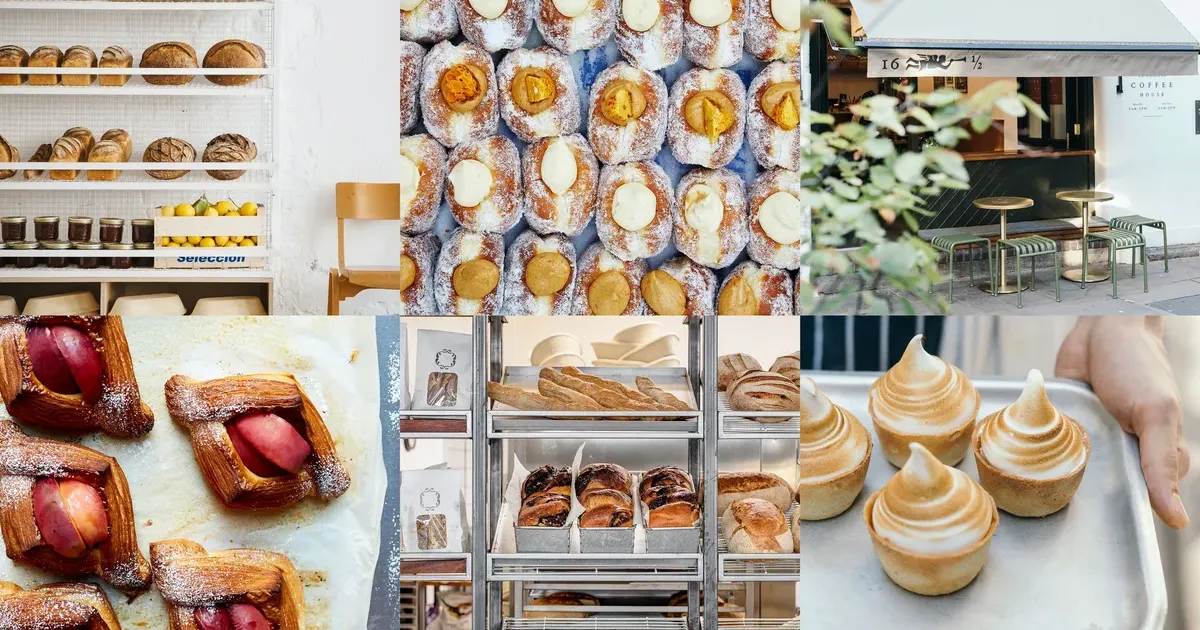
London’s artisan bakeries are using slow fermentation to move sweetness out of the center of the pastry case. The bakery shift felt clear on March 11, 2026
London Learns to Wait for Bread
Bermondsey's railway arches hum with a different kind of industry at four in the morning. Heavy steel doors roll back to reveal clouds of flour and the rhythmic thud of dough meeting wood. For years, the city's sugar fix came from mass-produced cupcakes and over-iced eclairs that prioritized shelf life over flavor. But a silent revolution has recalibrated the London palate. Quality now dictates demand as residents trade the cloyingly sweet for the complex acidity of wild yeast and heritage grains. Industrial baking once dominated the capital, characterized by high-speed mixing and chemical additives designed to force bread to rise in ninety minutes.
London's best counters sold patience, fermentation, and grain character over sugar, making time the new luxury ingredient.
Small-scale operators have dismantled that model. Customers increasingly queue for forty-eight-hour fermentation cycles, understanding that time is the most expensive ingredient in the room. These bakeries operate as labs for fermentation science, where hydration levels and ambient temperature are discussed with the intensity of high-frequency trading. Technique now trumps decoration. Nordic sensibilities arrived in London with more than minimalist furniture and heavy knitwear. Stockholm-born concepts like Fabrique and independent outlets like Bageriet introduced a disciplined approach to pastry.
They moved the focus away from the airy, butter-laden French croissant toward the dense, spiced density of the cardamom bun. Londoners have embraced this shift. Cardamom, once a secondary note in British baking, is now the dominant aroma in neighborhoods from Hackney to Marylebone.
Cardamom and Heritage Grain Beat Sugar
Stockholm's influence emphasizes rye, whole grains, and a specific type of knotting technique that creates pockets of caramelized spice. Sweetness is tempered by salt and the earthy bitterness of dark-baked crusts. Success for these Scandi-inspired outposts relies on a refusal to compromise on the purity of their grains. Unlike commercial bakeries that use bleached flours, these shops source stone-ground varieties that retain the germ and bran, resulting in a deeper, more nutritional profile. Parisian standards migrated across the English Channel as young chefs rejected the rigid structures of five-star hotel kitchens to open their own counters. Pitzmann and Arme represent this new guard, where French technicality meets a global city's willingness to experiment.
Precision is the primary tool here. Lamination, the process of layering butter and dough to create hundreds of paper-thin sheets, has become a competitive sport in the London bakery scene. Every fold matters. High-end butter, often sourced from Normandy or the Cotswolds, provides a high fat content that ensures the pastry shatters upon the first bite. Still, these bakeries are not simple copies of Parisian boulangeries. They integrate local flavors, using British rhubarb or coastal sea salt to anchor their creations in the local soil.
This blend of rigid French school training and British ingredient sourcing has created a hybrid style that many critics argue surpasses the current offerings in Paris. Bread has become the new wine.
Why the Eight-Pound Loaf Still Has a Point
Questions about the soul of a city can often be answered by the price of its bread. While some dismiss the eight-pound sourdough loaf as a symptom of urban pretension, such a view ignores the systemic failure of the industrial food system. For decades, the public was fed a diet of bleached, lifeless carbohydrates that prioritized shelf stability over human health. The resurgence of artisan bakeries in London is more than a lifestyle trend; it is a necessary reclamation of culinary sovereignty. We must recognize that the hidden costs of cheap, fast-risen bread, from environmental degradation to nutritional bankruptcy, far outweigh the premium paid at an independent counter. Critics who mock the cardamom bun obsession fail to see that these bakeries are some of the few remaining spaces where the human touch is still visible and valued.
If we are unwilling to pay for the time it takes for dough to rise naturally, we are essentially voting for a future where flavor is an artificial additive. High-end baking is the front line in a war against the homogenization of global taste. London has chosen its side, opting for the grit of heritage grain and the patience of the starter over the hollow convenience of the supermarket aisle.