Luxury bedding has become a quiet barometer for household confidence. London and New York design firms report a significant uptick in demand for long-term interior investments during the first quarter of 2026. High-net-worth individuals are moving away from the ephemeral aesthetics of social media trends in favor of durable, heirloom-quality pieces. Manufacturers of traditional furniture and textiles have seen order volumes rise by 12% since January. Industry analysts point to a renewed focus on the domestic environment as a sanctuary. Figures from premium showrooms in Manhattan confirm that the average spend on bedroom hardware has reached a five-year high.
Retailers are responding by highlighting legacy brands that emphasize craftsmanship over rapid production cycles. Buyers in 2026 appear willing to wait months for custom items rather than accepting immediate delivery of inferior goods. Quality has become the primary metric for luxury consumers who once prioritized brand logos. Many affluent households now view furniture as a depreciating asset that requires careful selection to maintain value. Recent market surveys show that longevity is the most requested feature in new consultations.
Platform Beds Redefine Minimalist Aesthetics
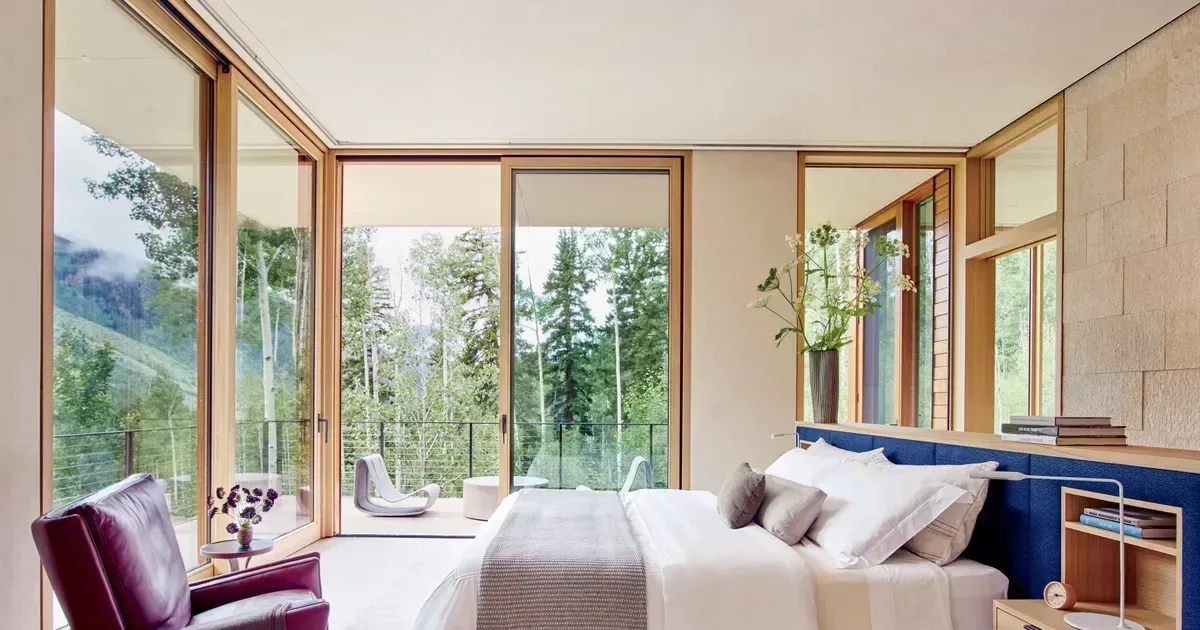
Structural simplicity is dominating the furniture market as homeowners seek to declutter their private spaces. Architectural Digest recently highlighted 14 platform beds that provide a clean, architectural foundation for modern mattresses. These designs eliminate the need for traditional box springs, lowering the overall profile of the sleeping surface. Architects in the UK are increasingly specifying these low-profile frames to maximize the perceived height of urban apartments. Sales of sleek, wooden frames have outpaced ornate headboards for three consecutive quarters. Metals and natural woods serve as the primary materials for these structural pieces. Walnut and white oak remain the preferred choices for those seeking a warm, organic feel in the bedroom. But stainless steel and powder-coated aluminum are gaining traction among younger buyers in tech hubs like San Francisco and Austin. Designers argue that a bed frame should serve as a silent anchor for the room. High-end manufacturers are focusing on joinery techniques that require no visible hardware or tools for assembly.
Platform frames also offer practical benefits for modern ventilation and mattress longevity. Slatted bases allow for consistent airflow, preventing the buildup of moisture or allergens within the foam or spring layers. This shift toward functional minimalism has forced traditional furniture companies to redesign their flagship collections. Many brands are now offering modular options that can be adjusted to different heights. Still, the core appeal remains the visual lightness that these pieces bring to a room. Heavy, draped bed skirts have largely disappeared from professional design portfolios.
Heritage Bedding Brands See Revenue Growth
Soft goods are seeing a parallel return to traditional manufacturing roots. Consumers are actively seeking out seven heritage brands known for their historical ties to European textile mills. Companies founded in the nineteenth century are reporting record-breaking sales of sateen and percale sheets. Buyers are looking for a connection to the past through products that promise to last for decades. In fact, many of these brands offer repair services or lifetime guarantees on their luxury lines. The demand for organic cotton and lasting flax linen is at an all-time high.
European production centers in Italy and Portugal are operating at maximum capacity to meet transatlantic demand. Skilled weavers in these regions use techniques that automated factories cannot replicate. Such attention to detail results in a fabric that softens with age rather than pilling or thinning. Professional decorators often specify these heritage linens for high-profile residential projects. They provide a tactile luxury that becomes the focal point of the interior experience. Price points for a full set of premium sheets now frequently exceed $800 at major retailers. Wait times for specific colorways or thread counts have extended to several weeks. And yet, the consumer appetite for these items shows no signs of waning. Retailers in London note that customers are increasingly knowledgeable about fiber length and loom types. They are no longer satisfied with vague marketing terms like ultra-soft or premium. This focus on technical specifications has transformed the way sales associates are trained in luxury boutiques. Transparency regarding the supply chain has become a non-negotiable requirement for the modern elite shopper.
Consumer Interest in High Thread Count Materials
Technical data is driving purchasing decisions as much as aesthetic preference. Sleep hygiene has evolved from a niche concern into a multi-billion dollar industry in 2026. Buyers are scrutinizing the relationship between thread count and thermal regulation. While a 1,000-thread-count sheet was once the gold standard, many are now choosing 400 to 600 for better breathability. Experts suggest that weave density is often more important than the raw number of threads per inch. This prioritization of comfort over vanity metrics indicates a maturing market.
Moisture-wicking properties and hypoallergenic certifications are now standard requirements for high-end bedding. Innovations in natural fiber treatments have allowed heritage brands to compete with high-tech synthetics. Silk-infused cotton and bamboo blends are popular among those living in warmer climates. Meanwhile, heavy-weight flannel and brushed cotton are seeing a resurgence in the northern United States. Every material choice is scrutinized for its impact on sleep quality and skin health. Research from sleep clinics suggests that the tactile environment is a primary factor in maintaining deep sleep cycles.
Retailers are bundling these technical linens with their 2026 bed frame collections to offer a complete sleep system. Showrooms are increasingly designed to mimic the sensory experience of a high-end hotel suite. The specific demand for a broad bedroom environment has led to the rise of the sleep consultant role in interior design firms. Clients are paying thousands of dollars for curated environments that improve lighting, sound, and touch. The bedroom is no longer just a place to sleep. It is a highly engineered recovery zone.
New York Design Firms Favor Low Profile Frames
Manhattan apartments are serving as the testing ground for the latest furniture innovations. Designers in the city are leaning heavily into the platform bed trend to address space constraints. A low-profile frame creates the illusion of more square footage by leaving more wall space visible. The trend has influenced furniture retailers globally, leading to a surge in minimalist designs in suburban markets. Custom cabinetry and integrated storage solutions are often paired with these bed frames. The goal is to create a smooth, built-in look that feels permanent and purposeful.
Interior designers emphasize that a low bed creates a more grounded and relaxing atmosphere. By contrast, tall, imposing beds can feel aggressive in a smaller room. The aesthetic shift is particularly evident in the new luxury developments along Billionaires' Row. High-profile clients are requesting custom platform beds integrated with smart home technology. These units often feature hidden charging ports and recessed lighting within the frame. The focus is on hidden utility and visible simplicity. Data from 2026 home shows confirms that the bulky furniture of the previous decade is officially out of fashion.
Manufacturers are adapting by using heavier, higher-quality materials for smaller frames. Solid brass and reclaimed teak are popular choices for those who want a minimalist look without sacrificing gravitas. To that end, the weight of the furniture has become a hallmark of quality for many buyers. A lightweight frame is often seen as a sign of cheap mass production. The preference for heavy, solid construction is a direct reaction to the flimsy nature of flat-pack furniture. Consumers want to feel the stability of their investment every time they sit down.
Comfort Spending and Consumer Signals
Why are we suddenly obsessed with whether a linen company was founded in the nineteenth century? The answer lies in a collective exhaustion with the disposable culture that has defined the last twenty years. We have spent billions on furniture that falls apart during a move and sheets that turn to rags after ten washes. The sudden pivot toward heritage brands is not a nostalgic whim. It is a calculated move by a consumer class that is tired of being cheated by planned obsolescence. Wealthy buyers are finally realizing that true luxury is found in things that do not need to be replaced. They are buying the last bed frame they will ever own. They are investing in linens that their children might actually want to inherit. It is a rejection of the digital speed that governs the rest of our lives. By choosing a platform bed that requires skilled joinery or sheets woven on a vintage loom, people are reclaiming a sense of permanence. It is a bold statement in an era of fleeting trends. If the price of peace and durability is a three-thousand-dollar frame, the market has proven that people will pay it without hesitation.