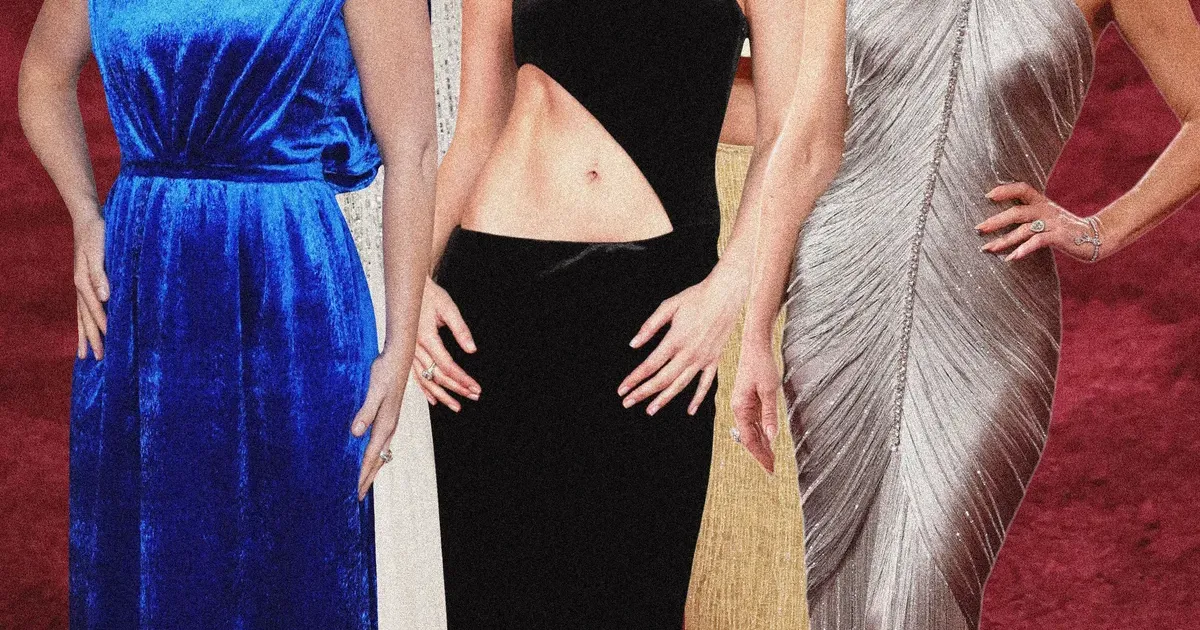
Luxury brands are paying heavily for seconds of red-carpet visibility because attention has become the real inventory. The spending race stood out on March 12, 2026
Red Carpet Time Gets Expensive
March 2026 arrived with a flurry of non-disclosure agreements and courier-delivered diamonds as the Academy Awards loomed over Los Angeles. Behind the velvet ropes, a shadow economy operates with the precision of a Swiss watch. Agents at the industry's three major powerhouses, CAA, WME, and UTA, spend months brokering deals that turn actors into walking advertisements. These negotiations represent the pinnacle of high-stakes marketing, where a single walk down a carpeted strip can be worth more than a star salary for an independent film. High-fashion houses like Dior, Chanel, and Louis Vuitton no longer simply lend clothes. They purchase loyalty through complex contracts that dictate everything from the angle of a photograph to the frequency of social media mentions.
Red carpet exposure had become a luxury marketing asset measured in seconds.
Financial stakes reached a fever pitch this season as luxury conglomerates LVMH and Kering engaged in a bidding war for the year's top nominees. Agents serve as the primary conduits for these transactions, acting as buffers between the artistic ego of the talent and the cold commercial requirements of the brand. A typical red carpet agreement for an A-list nominee can range from 100,000 dollars for a one-night loan to several million dollars for a multi-year ambassadorship. These figures do not include the auxiliary costs of security, tailoring, and the logistical nightmare of transporting six-figure gowns across the globe. Every stitch and sequin serves a calculated purpose in a broader corporate strategy. The dress is a billboard.
Negotiations often begin months before the first nomination is even announced. Agents track the production cycles of major films and identify which actors are likely to generate the most buzz during the awards circuit. Once a potential partnership is identified, the haggling over exclusivity begins. Luxury brands often demand that an actor wear only their label for the entire awards season, including the Golden Globes, SAG Awards, and the Oscars.
Visibility Beats Subtlety
This level of control ensures that the brand identity remains untainted by competitors, but it also places immense pressure on the talent to maintain a specific image. Such restrictions are why you rarely see a Dior ambassador straying into a Gucci gown during a high-profile premiere. Metric-driven data now dominates these creative decisions. Brands use a proprietary measurement known as Earned Media Value to justify the exorbitant fees paid to talent. This figure calculates what it would have cost to purchase the same level of exposure through traditional advertising. When a star like Zendaya or Florence Pugh stops for thirty seconds in front of the world press, the resulting images generate billions of impressions across Instagram, TikTok, and global news outlets.
Agents use these numbers during contract renewals, proving that their client possesses the unique ability to move the needle for a brand's bottom line. The math is brutal and unforgiving. Money buys silence and specific poses. Contractual clauses have become increasingly granular over the last five years. Recent agreements often specify that an actor must hold their clutch in a way that keeps the brand logo visible to the cameras. Some deals require a specific number of seconds spent talking to major networks about the designer.
If an actor forgets to mention the jeweler during a televised interview, the agency might face a financial penalty or the loss of future styling perks. This transactional nature has fundamentally altered the relationship between actors and their wardrobes. It is no longer about what looks best on the individual, but what fulfills the legal obligations of the corporation. Stylists have emerged as the secret power brokers in this ecosystem.
Luxury Is Buying Seconds, Not Loyalty
Luxury brands are paying heavily for short red carpet exposure. Celebrity placement now competes with traditional advertising as a prestige channel. The economics are ugly but logical. Luxury houses are not paying for fabric or taste in those ten seconds; they are paying for proof that their name belongs near fame. That can work, but it also makes prestige look increasingly rented. The more desperate the chase becomes, the less exclusive the spectacle feels.