Condesa Rentals Become a Luxury Market
Avenida Amsterdam curves in a perfect oval through the heart of Condesa, tracing the path of a long-gone horse racing track. Its jacaranda trees cast purple shadows over Art Deco facades, marking a neighborhood that has transitioned from a bohemian hideaway to a global hub for high-end short-term rentals.
Travelers arriving in March 2026 find a district where the scent of roasting coffee competes with the faint hum of construction, as developers gut mid-century buildings to create the next viral Airbnb. Centuries of urban history are being compressed into digital listings that prioritize aesthetic minimalism and high-speed fiber optics over local permanence. By March 13, 2026, the debate had moved beyond tourism into the future of residential life in the neighborhood. The influx of foreign capital, particularly from the United States and Canada, has created a secondary economy built entirely on the needs of the transient professional.
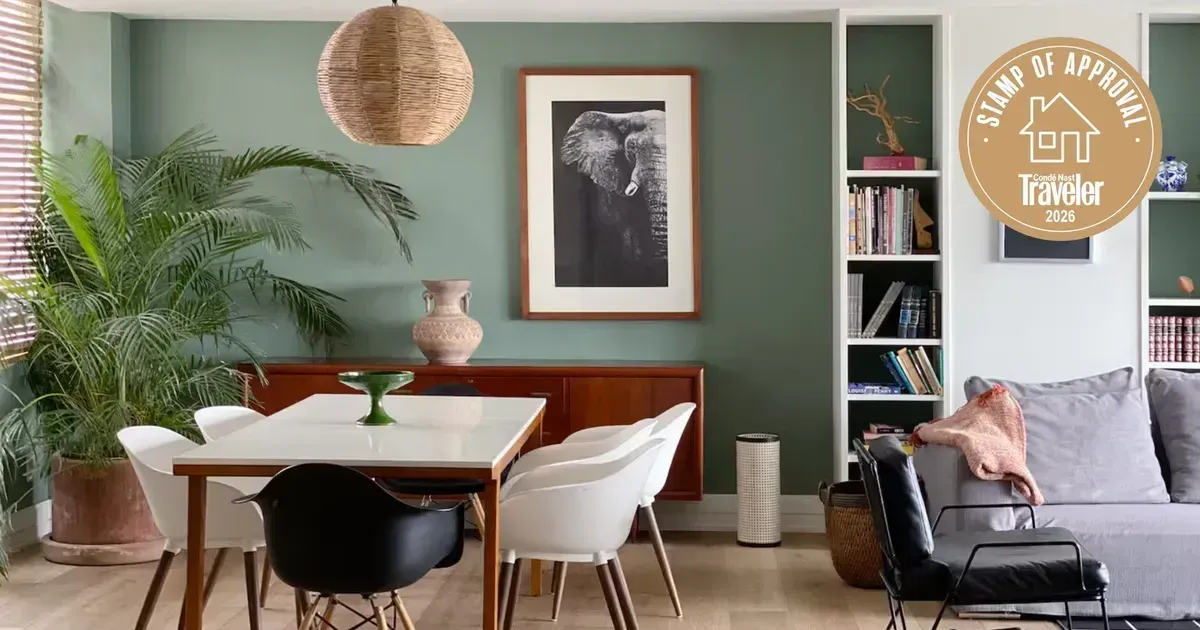
Staying in a top-tier rental here typically involves managing a seamless digital check-in that bypasses traditional hospitality friction. High-resolution photos in magazines like Conde Nast Traveler often highlight the terrazzo floors and floor-to-ceiling windows of these properties, yet the reality behind the glass is one of complex socio-economic tension.
Most of these high-end units are now managed by professional firms rather than individual homeowners, turning residential blocks into de facto boutique hotels. These corporate entities control hundreds of listings, leveraging data to fluctuate pricing based on cultural festivals like Zona Maco or the Formula 1 Grand Prix. Local residents find themselves living in buildings where their neighbors change every seventy-two hours, a cycle that alters the social fabric of every shared stairwell and hallway.
Regulators Try to Slow the Shift
Capital flows where regulations are weakest. Mexico City officials spent the better part of 2024 and 2025 debating how to curb the effects of platforms like Airbnb. The government eventually implemented a strict 5 percent tax on stays through digital platforms, alongside a 180-day annual cap on how many nights a single unit can be rented. Such measures were intended to return housing stock to the long-term market, but enforcement remains a labyrinthine challenge for the city’s administrative offices. Large-scale operators often find ways to rotate listings or use multiple accounts to circumvent the software locks.
This legislative push reflects a global movement seen in cities like Barcelona and New York, where the battle for urban space is fought through zoning codes and tax levies. How does a city maintain its soul when its most iconic districts become unaffordable for the artists who made them famous?
Property values in Condesa have surged 40 percent since 2022, a figure that far outpaces local wage growth. Many residents who once frequented the neighborhood’s iconic parks, Parque México and Parque España, have moved to outer districts like Escandón or San Rafael. The resulting void is filled by a demographic known as digital nomads, whose presence is signaled by the ubiquitous laptops and $7 oat milk lattes in every sidewalk cafe.
Design Turns Housing Into Content
These visitors bring significant purchasing power, but their spending is concentrated in a very narrow band of businesses that cater to Western tastes. While some argue that this supports the local economy, others point out that the profits rarely trickle down to the street vendors or traditional shops that defined the neighborhood before the tech boom.
Design serves as the primary currency in the Condesa rental market. Architecture from the 1920s and 1930s provides a backdrop that feels authentic and curated for social media, driving the popularity of specific blocks along Calle Colima and Calle Zacatecas. Modernist renovations emphasize open-plan living and rooftop gardens, features that were once reserved for the Mexican elite but are now standard for short-term stays.
These aesthetic choices are not accidental. They are engineered to appeal to a specific global traveler who values a sense of place but demands the comfort of a luxury hotel.
The preservation of these buildings is a secondary benefit, as international investment has funded the restoration of several crumbling mansions that would otherwise have faced demolition. But what is preserved is often just the shell, while the interior is hollowed out to accommodate the same uniform, mid-century modern furniture found in apartments from Brooklyn to Berlin. Privacy has become the ultimate luxury in a city of 22 million people. Safety remains a recurring topic in the forums used by travelers to find these elite properties. Condesa is widely considered one of the safer zones in Mexico City, but the concentration of wealthy foreigners has inevitably led to a rise in opportunistic crime. High-end rentals now market themselves as much on their security features, smart locks, 24-hour lobbies, and fortified gates, as they do on their proximity to fine dining. This securitization of the neighborhood creates a physical barrier between the visitor and the reality of the city. It turns the experience of living in Condesa into a curated bubble, where the grit of the metropolis is viewed through a secure, double-glazed window. Is the traveler truly experiencing Mexico City, or are they inhabiting a high-end simulation designed for their comfort? Source data suggests that the 'girls trip' or group travel segment has become one of the fastest-growing categories for CDMX rentals. These travelers often bypass traditional hotels in Polanco for large, multi-bedroom penthouses in Condesa that offer communal living spaces. Such properties allow for a level of social intimacy that separate hotel rooms cannot provide, fueling the demand for larger square footage in a neighborhood historically known for smaller apartments. This trend has forced developers to combine units, further reducing the total number of homes available for local families.