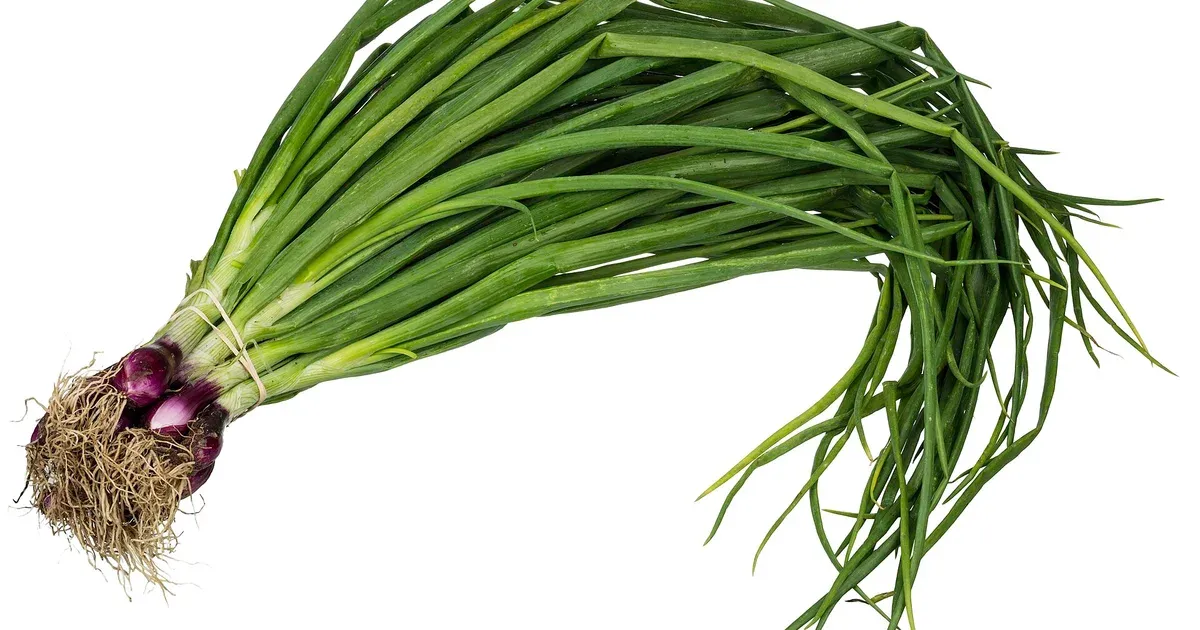
March cooking is giving spring onions a larger role, moving the allium from garnish to main ingredient in soups, wings and seasonal sauces.
Bridging the Seasonal Gap
March arrives with a particular culinary frustration, standing as a bridge between the vibrant citrus of deep winter and the tender greens of true spring. It is a period often described as the hungry gap, a time when the previous year's stored crops begin to wane and the new season has yet to fully ignite the soil. Helen Graves, a voice of authority in contemporary British food writing, identifies this lull as an opportunity to look closer at the ingredients we usually ignore. While many home cooks view the spring onion as a mere colorful finishing touch, Graves argues that it possesses the structural integrity to carry a meal on its own. The report was published March 11, 2026, as the issue drew renewed attention. Reappraising this humble allium allows for a culinary pivot that balances the lingering desire for heavy comfort with a growing appetite for freshness. Spring onions occupy a unique space in the produce aisle, frequently purchased with little thought beyond their utility as a raw topping for tacos or baked potatoes. Such a narrow view ignores the complexity inherent in their biology. A typical spring onion consists of two distinct flavor profiles in one stalk, offering both the sharp bite of a bulb onion and the herbal delicacy of a chive. Graves utilizes these traits to create dishes that satisfy the transition from frost to thaw. Two recipes, one focusing on a comforting soup and the other on high-intensity chicken wings, showcase how a single ingredient can adapt to vastly different kitchen environments.
Anatomy of an Allium
Botany provides the first clue to why these plants are so versatile in the kitchen. Unlike their fully matured cousins, spring onions are harvested before the bulb has a chance to swell and toughen. The white base contains concentrated sugars and sulfur compounds that mellow sharply when exposed to heat. Cooking these bases slowly in butter or oil transforms them into a sweet, melt-in-the-mouth foundation for sauces and stews. Conversely, the dark green tops are thinner and more volatile. High heat can quickly turn them bitter, but when used with care, they provide an aromatic lift that cuts through heavy fats. Graves leverages this duality, treating the whites as a primary vegetable and the greens as a refined seasoning. Texture plays a significant role in how these alliums interact with other ingredients. When sauteed, the white roots maintain a slight crunch that contrasts beautifully with soft potatoes or tender meats. It is a structural nuance often lost when using standard yellow onions, which tend to dissolve into a uniform mush. Home cooks who master the timing of adding these separate parts often find their dishes have more layers and depth. By treating the white and green sections as separate ingredients, a chef can control the flavor progression of a dish from the first bite to the finish.
Soup as a Seasonal Transitional Tool
Comfort food remains a necessity in early March, yet the palate begins to tire of the thick, dairy-heavy stews that defined January. Graves addresses this with a riff on the classic leek and potato soup, replacing the traditional leeks with a generous quantity of spring onions. Leeks are often prized for their buttery texture, but they can occasionally feel overly heavy or sulfurous in the late season. Spring onions provide a brighter alternative, offering a clean sweetness that feels energized rather than sluggish. The resulting soup feels lighter on the tongue while still providing the caloric warmth required for a chilly evening. Graves suggests a technique where the whites are softened into a base while a portion of the greens is blended directly into the liquid. That decision changes the color from a dull beige to a vibrant, electric green. It also alters the nutritional profile, as those green tops are packed with vitamins and antioxidants that are often lost during the long simmering times required for traditional onion soups. This specific soup is a reminder that seasonal cooking does not always require expensive imports from the southern hemisphere. A simple trip to the local market can yield all the components necessary for a sophisticated, professional-grade meal.
Wings and the Versatility of Pungency
Chicken wings offer a different challenge, requiring a balance of salt, fat, and acidity to truly succeed. Graves incorporates spring onions into a flavor-fueled batch of wings that deviates from the standard buffalo or barbecue varieties. In this application, the pungency of the allium is pushed to the forefront. When finely minced and combined with heat, the spring onions create a crust that adheres to the crispy skin of the chicken. The natural sugars in the white parts of the onion caramelize at high temperatures, adding a smoky sweetness that complements the savory poultry. Success in the kitchen during this transitional month relies on such small adjustments to familiar favorites. While the soup provides a gentle introduction to the ingredient, the wings demonstrate its ability to stand up to aggressive seasoning and intense heat. Most recipes for chicken wings rely on bottled sauces or dry rubs, but Graves encourages a more tactile approach. By using fresh aromatics, the cook achieves a level of brightness that dried spices cannot replicate.
It is a shift in focus that rewards the palate with complexity rather than just heat or saltiness.
Food waste often stems from a lack of imagination regarding the secondary parts of vegetables. People frequently discard the green tops of spring onions because they have been taught that only the white bulb is valuable. This habit is both environmentally and economically wasteful. Graves highlights how every centimeter of the plant is usable, provided one understands the heat tolerance of each section.
Embracing the entire stalk reduces kitchen scrap and increases the overall yield of a single bunch of produce. Such an approach reflects a broader trend in high-end gastronomy where chefs are reclaiming ignored ingredients to create sustainable menus.
Spring onions are essentially the adolescent stage of the onion family, and their youth is what makes them so adaptable. They do not require the peeling or heavy preparation of a standard onion, making them an ideal choice for busy weeknights. Still, their simplicity should not be mistaken for a lack of sophistication. In the hands of a thoughtful cook, they become a medium for exploring the intersection of texture and aroma.
As the world moves toward more plant-forward eating habits, the ability to transform a staple like the spring onion into a center-of-the-plate hero is an essential skill. Graves proves that March does not have to be a month of waiting. It can be a month of discovery.
Why the Garnish Label Fails
Centuries of agricultural history suggest that we are currently living through an era of profound culinary laziness. We have become so accustomed to year-round access to strawberries and asparagus that we have forgotten how to cook with the seasons. The obsession with flashy superfoods and exotic imports has blinded the average consumer to the incredible potential sitting in the bottom of their crisper drawer. Helen Graves is not just sharing recipes; she is issuing a quiet indictment of a food culture that treats ingredients as disposable accessories.
Calling a spring onion a garnish is an insult to its botanical complexity and its historical importance in global cuisines. Why do we celebrate the arrival of expensive, flavorless winter tomatoes while ignoring the vibrant, pungent stalks that are actually in season? This fixation on the superficial over the substantial is a symptom of a larger disconnect from the land. We need to stop looking for the next big food trend and start learning how to actually use the food we already have.
A kitchen that cannot make a world-class meal out of onions and potatoes is a kitchen that has failed its most basic duty. It is time to stop treating our plates like a fashion show and start treating them like a craft.