Dubai and Delhi became the focal points of a systemic transportation collapse on March 27, 2026, as a month of intensifying geopolitical conflict and fuel price volatility reached its breaking point. Major aviation hubs across the globe reported record delays and cancellations that surpassed pandemic-era peaks. Operational reliability vanished as airlines struggled with closed airspaces and a sudden spike in crude oil prices that forced immediate surcharge adjustments. These failures rippled through the logistics chain, leaving millions of travelers stranded and highlighting the fragility of international transit networks.
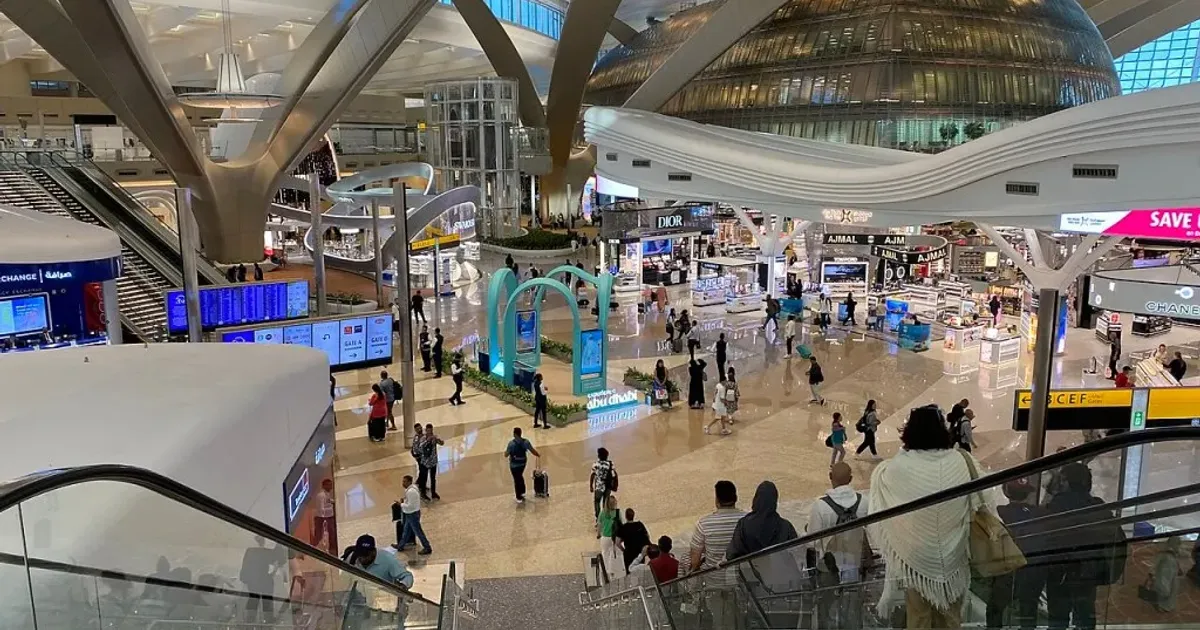
Zayed International Airport in the United Arab Emirates struggled to manage the overflow of diverted long-haul flights. Carriers that typically rely on stable corridors through the Middle East found themselves rerouting around active combat zones, adding hours to flight times and exhausting crew duty limits. In fact, fuel prices climbed to $140 per barrel within a single week, making many previously scheduled routes economically unviable. Airlines responded by grounding older, less efficient aircraft, further reducing total seat capacity during one of the year's busiest periods.
Conflict Closes Middle Eastern Air Corridors
Conflict in the region forced the closure of multiple primary flight paths, creating a bottleneck that paralyzed operations for Gulf-based carriers. Emirates and Etihad Airways faced the difficult task of re-evaluating thousands of flight paths in real-time. Yet, the available alternative corridors were already operating at maximum capacity, leading to meaningful ground holds in major departure cities. Passenger frustration escalated as baggage handling systems at several hubs failed under the weight of redirected cargo and personal luggage.
Air traffic control centers in neighboring countries reported a 40 percent increase in volume. This surge created safety concerns that required wider spacing between aircraft, effectively slowing the global movement of people to a crawl. In turn, regional airports that rarely see heavy international traffic were forced to accommodate wide-body jets without the necessary ground support equipment. Logistics experts noted that the sudden shift in traffic patterns exposed a lack of redundancy in regional infrastructure.
The global aviation network is currently operating without any margin for error, and any further escalation in fuel costs or regional instability will likely lead to a total cessation of non-essential long-haul travel, according to the International Air Transport Association.
So, the immediate impact was felt most sharply by travelers on connecting routes through the Persian Gulf. Meanwhile, the cost of aviation fuel began to outpace the pricing models used by low-cost carriers, leading to a wave of temporary service suspensions. For instance, several European budget airlines canceled all flights to the Middle East for the remainder of the quarter. That said, the primary concern for the industry remained the long-term viability of the hub-and-spoke model in a world of persistent regional instability.
Delhi Aviation Infrastructure Struggles With High Demand
Indira Gandhi International Airport in Delhi faced its own set of internal and external pressures. Domestic demand in India continued to rise even as international arrivals plummeted due to the global crisis. But the local infrastructure could not keep pace with the influx of travelers seeking alternative routes to Southeast Asia and Australia. Severe weather patterns worsened these issues, leading to visibility problems that grounded hundreds of flights over the course of the month. Terminal congestion reached a point where airport authorities had to restrict entry to only those passengers departing within four hours of their flight.
Aviation authorities in India scrambled to implement emergency protocols to manage the crowds. And yet, the sheer volume of people made social distancing and security screening nearly impossible to maintain at standard speeds. By contrast, smaller regional airports in India saw a temporary boost in activity as passengers sought to bypass the chaos of the capital. In particular, the cargo sector felt the strain as belly-hold capacity on passenger flights disappeared, driving up the cost of shipping essential goods between India and the West.
Delhi officials eventually ordered a temporary cap on airfares to prevent predatory pricing during the crisis. Still, many airlines claimed that these caps made it impossible to cover the skyrocketing cost of jet fuel. Labor strikes also broke out among ground handling staff who were forced to work double shifts without adequate compensation. These strikes paralyzed terminal operations for forty-eight hours, leaving thousands of suitcases piled on the tarmac.
Rising Fuel Costs Squeeze United States Airlines
United States cities were not immune to the disruptions, as domestic carriers faced the same fuel price shocks that crippled international routes. Hubs in Chicago, Atlanta, and Los Angeles saw thousands of flights removed from the schedule as airlines focused on fuel efficiency over frequency. To that end, many carriers consolidated flights, leading to overbooked cabins and a marked increase in denied boardings. Separately, the Department of Transportation launched an investigation into airline refund policies after a surge in passenger complaints regarding canceled flights.
Airlines in the U.S. began implementing a new round of fuel surcharges that added hundreds of dollars to the cost of transcontinental tickets. Yet, these measures did not prevent a sharp decline in travel bookings for the summer season. Business travel, which had been recovering steadily, saw a renewed shift toward virtual meetings to avoid the unpredictability of the current aviation environment. For one, major corporations issued travel bans for all non-essential personnel to reduce rising costs and logistical risks.
Systemic failures in air traffic control staffing further complicated the situation in the Northeast corridor. According to federal reports, the lack of qualified controllers led to mandatory ground stops during peak travel hours regardless of weather conditions. Pilot unions warned that the increased workload and stress of managing constant schedule changes were pushing their members to the brink of exhaustion. The month ended with several major airlines reporting record quarterly losses despite high load factors.
Global Logistics Networks Reach Breaking Point
Logistical networks beyond passenger travel also suffered from the March volatility. Shipments of time-sensitive pharmaceuticals and electronics were delayed by weeks as air cargo capacity was diverted to military or emergency use. In fact, the cost of air freight between Shanghai and New York tripled in less than twenty days. Global supply chains that rely on the speed of air travel were forced to find alternatives, with some companies turning back to slower maritime routes that are also facing their own sets of challenges.
Economic analysts noted that the convergence of war, shutdowns, and fuel shocks created a combination for the travel industry. The resilience that many companies claimed to have built after the pandemic proved insufficient against a multi-front crisis. And, as the month closed, there was little indication that the underlying causes of the disruption would be resolved in the near future. Industry leaders now face the reality that the period of cheap and easy global movement may be over for the foreseeable future.
Market volatility remained high as investors pulled capital from airline stocks, fearing a protracted period of low profitability. Each disruption in March served to further erode consumer confidence in the reliability of scheduled air travel. Governments are now being pressured to provide subsidies to keep critical flight paths open, but many are already stretched thin by their own fiscal challenges. International travel has entered a phase of permanent uncertainty.
The Elite Tribune Perspective
Why did anyone think the era of frictionless global travel would last forever? The current collapse of the international aviation network is not a fluke or a temporary setback; it is the inevitable result of an industry built on the delusional assumption of permanent geopolitical stability and cheap energy. We have spent decades constructing a hyper-fragile system that depends on everything going right at once. When a single bottleneck like Dubai or Delhi fails, the entire house of cards comes down.
The arrogance of airline executives, who spent years optimizing for the last penny of profit while ignoring the widening cracks in global security, is now being laid bare for every stranded passenger to see. For too long, the travel industry has treated the world as a seamless map of profit centers rather than a complex web of volatile nations and finite resources. It is time to stop mourning the loss of convenience and start acknowledging that the luxury of flying halfway across the globe on a whim was always a historical anomaly.
If this month has taught us anything, it is that our global connectivity is a privilege that can be revoked by a single fuel hike or a misplaced missile. The industry does not need a bailout; it needs a reality check.