McIlroy Opens With Fitness Question
Florida humidity hung heavy over Ponte Vedra Beach as the 2026 Players Championship commenced under a cloud of medical uncertainty surrounding its biggest star. Rory McIlroy, seeking to become the first repeat champion in the history of the event, entered the week with a back ailment that threatened to derail his season entirely. The story was dated March 12, 2026. Golf fans held their collective breath when news leaked from the practice range that the Northern Irishman had sought emergency physical therapy just forty-eight hours before his morning tee time. Sources within the tournament medical center suggested the issue stemmed from a lumbar spasm aggravated during a cross-Atlantic flight.
Yet, by the time his name was announced on the first tee, the defending champion appeared ready to fight through the discomfort. Sawgrass never forgives a lack of focus. McIlroy arrived at the course early; his gait appeared stiff but determined as he worked through a truncated warm-up routine.
Medical clearance came late on Wednesday evening once the physical therapy team confirmed that the inflammation had subsided enough for a full rotational swing. BBC Sport reported that the champion felt fit enough to compete, though observers noted he spent sharply more time with his physiotherapist than on the putting green. This physical fragility adds a layer of tension to a tournament already known for its volatility.
Sawgrass Demands Full Mobility
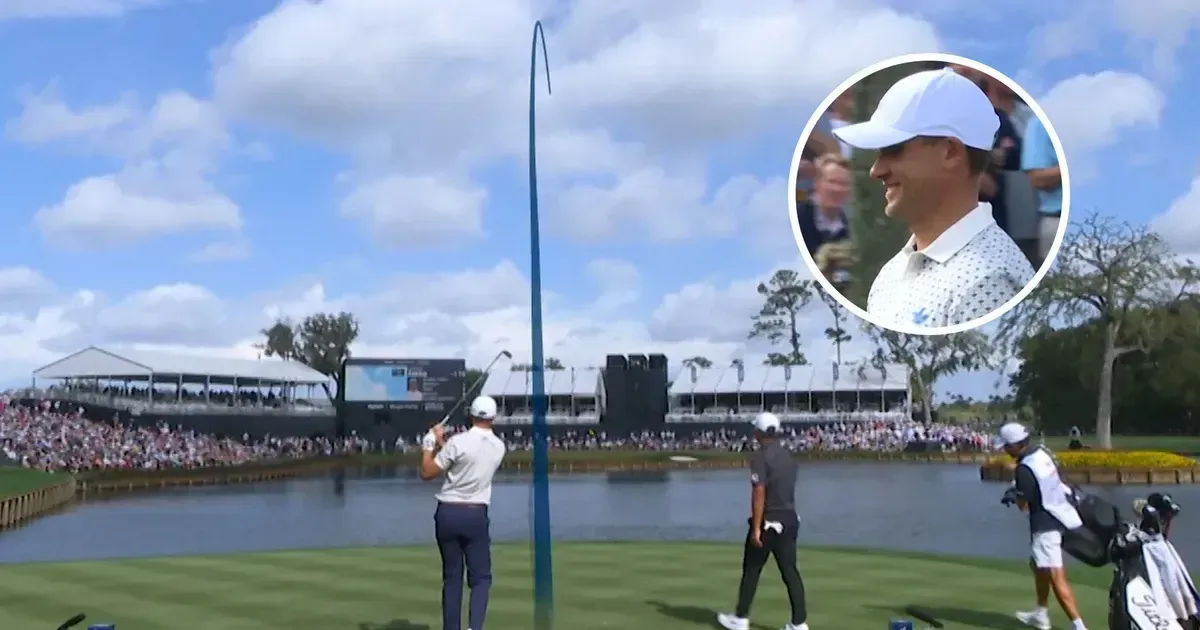
If the back holds up, his ball-striking remains the gold standard for the field. If it fails, the tournament loses its primary protagonist before the weekend even begins. Ludvig Aberg provided the morning excitement with a display of precision that nearly defied the laws of physics. Playing in the early wave, the Swedish sensation reached the iconic par-three 17th hole and launched a wedge shot that seemed destined for the bottom of the cup.
The ball caught the slope perfectly; it tracked toward the hole for what felt like an eternity before coming to rest mere inches from the pin. Sky Sports captured the moment as the gallery erupted, sensing they were about to witness the first ace of the 2026 edition. This proximity to history highlighted the aggressive mindset the younger generation of players has brought to TPC Sawgrass. Aberg did not play for the center of the green.
He took aim at the flag despite the swirling winds that often claim even the most seasoned veterans. Gravity and wind are the only true masters of the 17th hole. Spectators witnessed a tactical clinic from Aberg throughout his opening round, proving that his rise in the world rankings is no fluke.
Title Defense Pressure
His near-ace was the highlight of a scorecard that reflected a mature understanding of course management. While other players struggled with the firming greens, the Swede utilized high-launch angles to stop the ball quickly. Reporters on the ground noted that the green speeds reached a twelve on the Stimpmeter by mid-morning. Success at the Players Championship requires this level of precision, especially when the pin positions are tucked near the water.
Aberg finished his round in a strong position, putting pressure on the afternoon starters to match his early pace. Tommy Fleetwood navigated a day of extreme highs and frustrating lows to post a three-under par 69. His round began with a flurry of birdies that suggested a potential course record might be under threat. The English veteran found his rhythm early, hitting twelve of his first fourteen greens in regulation.
Sky Sports detailed a surge that saw him climb to the top of the leaderboard by the tenth hole. But the back nine at TPC Sawgrass is a gauntlet that has humbled many leaders. Fleetwood stumbled during the closing stretch, dropping shots on the difficult par-four 14th and the 18th.
Professional golf increasingly resembles a circus where the tents are made of money and the performers are perpetually one swing away from the operating table. Why do we celebrate the grit of a player like Rory McIlroy competing through a back injury when it highlights the unsustainable physical demands of the modern power game? The obsession with swing speed has turned these athletes into fragile machines, and TPC Sawgrass acts as the ultimate stress test. Seeing Ludvig Aberg nearly ace the 17th is thrilling, but it distracts from the reality that the PGA Tour is desperately clinging to its remaining stars. The tournament organizers are terrified of a leaderboard devoid of household names, hence the breathless coverage of every medical update from the McIlroy camp. Tommy Fleetwood's late-round collapse is not just a personal failure, it is a symptom of a tour where the pressure to perform for television slots outweighs the sport itself. We are not watching a test of skill so much as a test of orthopedic endurance. If the Players Championship wants to maintain its status as the fifth major, it must stop relying on the health of aging icons and start marketing the brutal, unforgiving nature of the course as the true star of the show. The grass does not care about your back pain.