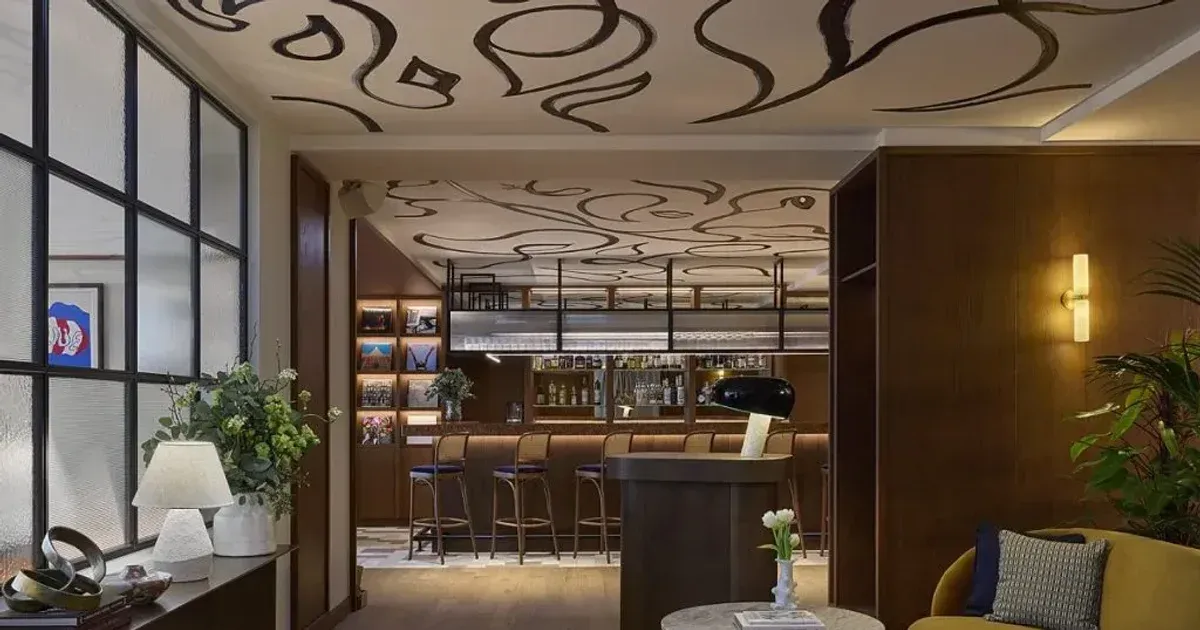
Miiro Hotels is shifting from expansion speed to operating discipline. Management said the brand would pause new property launches for 18 months after a rapid European rollout. The decision follows openings across major urban markets and a push by InterGlobe into the luxury lifestyle hotel segment. On April 6, 2026, the company framed the break as a chance to stabilize its current portfolio and refine guest experience. That pause makes the story less about retreat than about whether a young hotel brand can turn fast openings into repeat stays.
Parent company InterGlobe, which also operates the dominant Indian airline IndiGo, provided the capital necessary for the initial 18-month sprint. Leveraging its expertise in high-volume transportation, the conglomerate sought to replicate that efficiency within the bespoke hotel market. The aggressive rollout of Miiro across Europe caught competitors by surprise as the brand secured prime real estate in cities like Paris and London. Critics of the rapid expansion noted that maintaining high service standards across multiple jurisdictions simultaneously requires immense operational oversight. InterGlobe has a history of prioritizing scale before fine-tuning profitability metrics.
InterGlobe Strategy Behind Miiro Expansion Pace
Acquisition of distressed assets and historic buildings formed the foundation of the initial growth phase. Every property within the initial six hotels underwent extensive renovation to align with the Miiro aesthetic, which blends local heritage with modern luxury. Rapid deployment allowed the brand to establish a footprint before rising interest rates cooled the real estate market further. Such a timeline pressured local teams to hire and train hundreds of staff members within weeks of property handovers. Executives noted that the pace was intentional to capture post-pandemic travel demand before the market reached full capacity. Operational data from the first quarter of 2026 suggested that while occupancy remained steady, guest feedback highlighted areas for service improvement. Consistency in housekeeping and concierge services varied between the newer properties and the flagship locations. Management decided that adding a seventh or eighth property in 2026 would spread human resources too thin. Success in the boutique sector relies on intangible factors like personalized recognition and localized knowledge, elements that often suffer during hyper-growth cycles. InterGlobe appears to be pivoting toward a long-term sustainability model rather than chasing pure unit counts.
After its 18-month fast forward, InterGlobe-owned European hotel brand Miiro is hitting pause to make sure guests actually want to come back.
Markets in Europe present unique challenges for scale due to strict labor laws and fragmented supply chains. Each city requires a different approach to procurement and staff management, making a centralized corporate strategy difficult to implement. Miiro leadership acknowledged that the pause is a cooling-off period to integrate these diverse operations into a single cohesive system. Resources previously earmarked for site scouting and architectural bidding will now flow into employee training programs. The brand aims to increase its repeat guest ratio from current levels to match established luxury peers by late 2027.
Vienna and Paris Properties Define Miiro Brand Identity
Vienna is a primary example of the Miiro design philosophy, specifically at the Spittelberg location. Using a neighborhood-first approach, the hotel incorporates local artisans and culinary influences to ground the property in its specific district. Large-scale hotel chains often struggle with this level of detail when opening multiple sites in quick succession. InterGlobe leadership believes that the 18 months of breathing room will allow the Vienna staff to fully embed the property into the local cultural calendar. Events and partnerships are already being planned for the 2026 winter season. Parisian properties faced different hurdles, primarily regarding historic building codes and space constraints. The city remains one of the most competitive hospitality markets in the world, with new lifestyle brands entering the fray every quarter. Occupancy rates in the French capital have been strong, yet the cost of labor continues to squeeze margins for independent-style brands. Miiro intends to use the hiatus to renegotiate vendor contracts and improve the food and beverage offerings at its Parisian outposts. Improving the efficiency of these high-cost locations is critical for the overall health of the parent company portfolio.
Operational Stability Priority for 18-month Break
Employee retention has become a meaningful metric for the brand during this transition phase. Hospitality sectors in London and Paris are currently struggling with severe labor shortages, leading to high turnover rates among front-of-house staff. Stabilizing the workforce within the existing six properties is a higher priority than hiring for a new site in Berlin or Madrid. Training programs will focus on cross-property standards to ensure a guest receives the same quality of service in London as they do in Vienna. Standardizing these procedures without losing the boutique feel is a delicate balancing act for the regional directors.
Technology integration is the second foundation of the upcoming 18-month strategy. The current tech stack used by Miiro was implemented during the rush of the first openings and requires modernization to handle advanced loyalty data. Management wants to build a proprietary guest profile system that allows for seamless preferences tracking across the entire network. This requires serious IT investment and data migration, tasks that are often sidelined during the chaos of new hotel launches. Completing this digital transformation will provide the brand with better insights into guest spending patterns and stay durations.
European Luxury Market Saturation and Competitor Response
Competition in the European lifestyle hotel sector has intensified as giants like Accor and Marriott expand their boutique collections. Ennismore and other lifestyle-focused groups have aggressive pipelines that could potentially crowd out smaller players during the next two years. Miiro is banking on the idea that quality will eventually outweigh quantity in the eyes of the luxury traveler. Many new entrants in the market have been criticized for a style-over-substance approach that fails to deliver on basic hospitality promises. Miiro aims to distance itself from these trends by focusing on the fundamentals of the guest stay. Financial analysts at London-based firms have noted that InterGlobe has the liquidity to withstand a pause in growth. Unlike venture-backed startups that must show constant unit expansion to secure funding, Miiro is backed by a profitable aviation conglomerate. This financial cushion allows the brand to be selective about its next moves and wait for the right real estate opportunities. Future expansion will likely focus on secondary European cities where the luxury lifestyle segment is underserved. For now, the focus is entirely on the 2,000 rooms already in the Miiro inventory.
Hotel Growth Pause
InterGlobe is attempting a dangerous gamble by halting the momentum of Miiro just as the brand was beginning to gain international recognition. In the brutal arena of European hospitality, silence is often mistaken for stagnation, and an 18-month hiatus provides ample room for rivals to occupy the mental space Miiro worked so hard to claim. The claim that this pause is for guest retention sounds like a convenient narrative to mask a necessary slowdown in capital expenditure or a realization that the initial rollout was disorganized. Boutique hotels thrive on buzz, and nothing kills buzz faster than a public declaration that the growth engine has been switched off.
Management must realize that the polished, high-end traveler is notoriously fickle. If the experience at the Spittelberg or the Paris outposts does not reach perfection within the first six months of this pause, the brand will be viewed as another corporate attempt at soulfulness that failed to scale. InterGlobe excels at the mechanical efficiency of airlines, but hotels require a level of emotional intelligence that cannot be automated or standardized through a corporate 18-month plan. Will guests wait for a brand to find its footing? Probably not. Ultimately, this move reveals a lack of confidence in the original expansion model. If the systems were built correctly from the start, an 18-month break would be unnecessary. Miiro is now in a race to prove it is more than a collection of pretty buildings; it must become a functioning hospitality ecosystem. Success is not guaranteed.