Iraq Crash Triggers Recovery Operation
Recovery operations in western Iraq remain centered on a widening search as U.S. Central Command attempts to locate the wreckage of a military refueling plane.
Operational tempo is now exposing maintenance risk inside the same military machine expected to sustain the Iran campaign.
On March 13, 2026, simultaneous air and naval incidents sharpened concern about operational strain. Pentagon officials confirmed the crash occurred Thursday within western Iraq, characterizing the region as friendly airspace despite the ongoing high-tension operations against Iranian interests. Search and rescue teams scrambled immediately from nearby regional bases to secure the site and determine the status of the crew members aboard.
Central Command issued a brief statement late Thursday morning confirming the aircraft went down during a routine mission supporting larger combat operations. While officials have not yet identified the specific model of the aircraft, the U.S. military relies heavily on the Boeing KC-135 Stratotanker and the newer KC-46 Pegasus for regional refueling requirements.
Carrier Fire Adds Pressure at Sea
Both platforms serve as the backbone for extended aerial missions over the rugged terrain of the Middle East. Rescue efforts began under heavy cloud cover in the Anbar province. Refueling missions represent the most vulnerable link in the long-distance strike chain.
Pilots operating these tankers often fly predictable patterns to support fighter jets, making them high-priority targets or subjects of extreme mechanical stress during sustained conflicts. Records from the last six months indicate a high operational tempo for the tanker fleet stationed at Al Udeid Air Base in Qatar and other regional outposts; maintaining these aging airframes requires a relentless cycle of inspections that are often compressed during active combat phases.
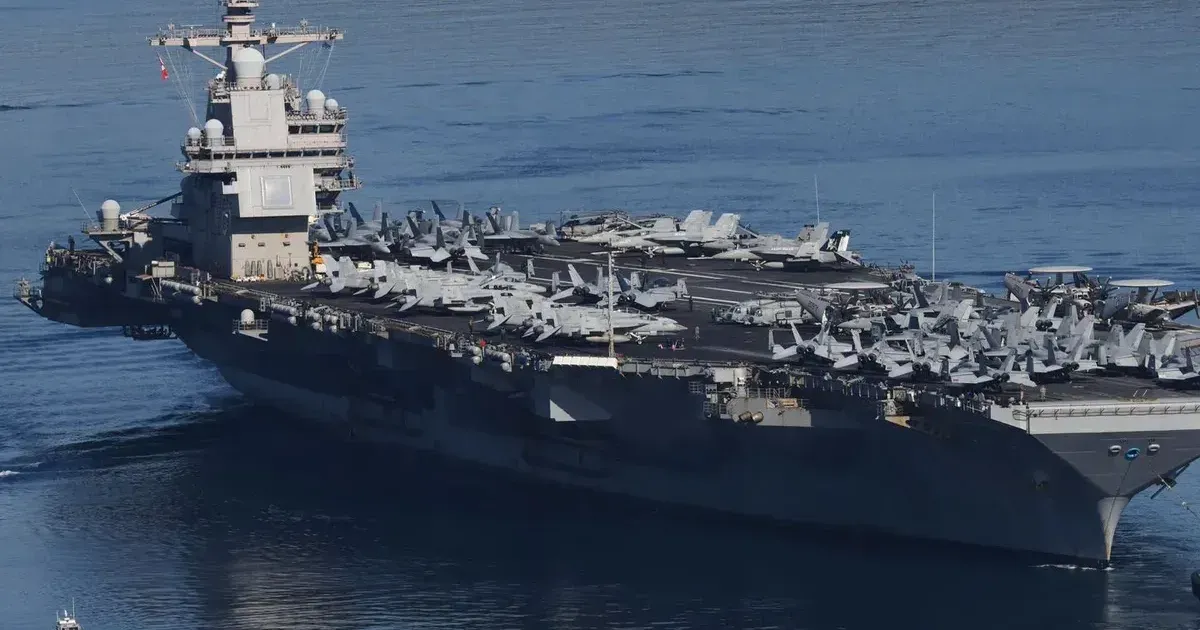
Flames erupted on the USS Gerald R. Ford on the same day the plane went down in Iraq. Naval officials reported a non-combat fire broke out while the world's most expensive aircraft carrier operated in the Red Sea. Two sailors sustained injuries during the response to the blaze, though the Navy has not released the severity of their conditions or the specific cause of the ignition.
Maintenance Risk Becomes Strategic
This mission marks a critical period for the Ford, which represents the lead ship of a new class of nuclear-powered carriers designed to replace the Nimitz-class vessels. Damage control teams reportedly contained the fire quickly, preventing it from reaching the carrier's sensitive nuclear reactors or the massive ordnance magazines.
Still, the occurrence of a fire on a vessel that cost $13 billion to construct prompts scrutiny about internal safety protocols and the reliability of its advanced electrical systems. Critics of the Ford-class design have previously pointed to its complex electromagnetic aircraft launch systems and advanced arresting gear as potential points of failure.
Red Sea operations have put a significant strain on the Navy's surface fleet throughout 2026. Crews have faced repeated drone attacks and ballistic missile threats from regional proxies, leading to prolonged deployment schedules and reduced maintenance windows. Naval Sea Systems Command data shows that non-combat fires on U.
S. warships often stem from electrical faults or industrial accidents during routine repairs. Western Iraq is a key buffer zone for U.S. forces monitoring Iranian ballistic missile activity. Losing a refueling platform in this specific corridor complicates the ability of the Air Force to maintain a 24-hour presence over the border. Defense analysts at the Brookings Institution have noted that the attrition of support aircraft can be more damaging than the loss of single-seat fighters because tankers are fewer in number and carry larger crews. Pentagon planners must now account for the sudden loss of a key logistical asset while investigating the carrier fire. This incident creates a temporary gap in aerial coverage that regional adversaries could exploit if rescue and replacement operations do not proceed rapidly. Air Force flight logs suggest that tankers in the Middle East are flying 30% more hours per month than they did in 2024. Two sailors are currently receiving medical evaluation aboard the Ford. Investigative teams from the Naval Safety Command are expected to arrive on the carrier within 48 hours to begin a formal inquiry into the fire's origin. Simultaneously, the Air Force will convene a Safety Investigation Board to examine flight data and communication logs from the downed refueling plane. History suggests that such investigations can take months to produce a definitive cause, leaving the military to manage current risks with limited information. Maintenance backlogs across all branches of the armed forces have reached a ten-year high. Budget documents from the 2026 fiscal year show a growing gap between the cost of advanced technology and the funds available for routine upkeep. Can the U.S. military sustain this level of global engagement if its primary platforms are failing due to internal fires and mysterious crashes?
Military Reach Exposes Maintenance Debt
Did the Roman Empire collapse because its borders were too wide or because its internal machinery simply rusted away?