The Senate debate over military strike costs sharpened on March 12, 2026, as debt warnings collided with escalation politics.
Military strike costs are now reaching the Senate ledger, where debt warnings are colliding with escalation politics.
Strike Costs Reach the Senate
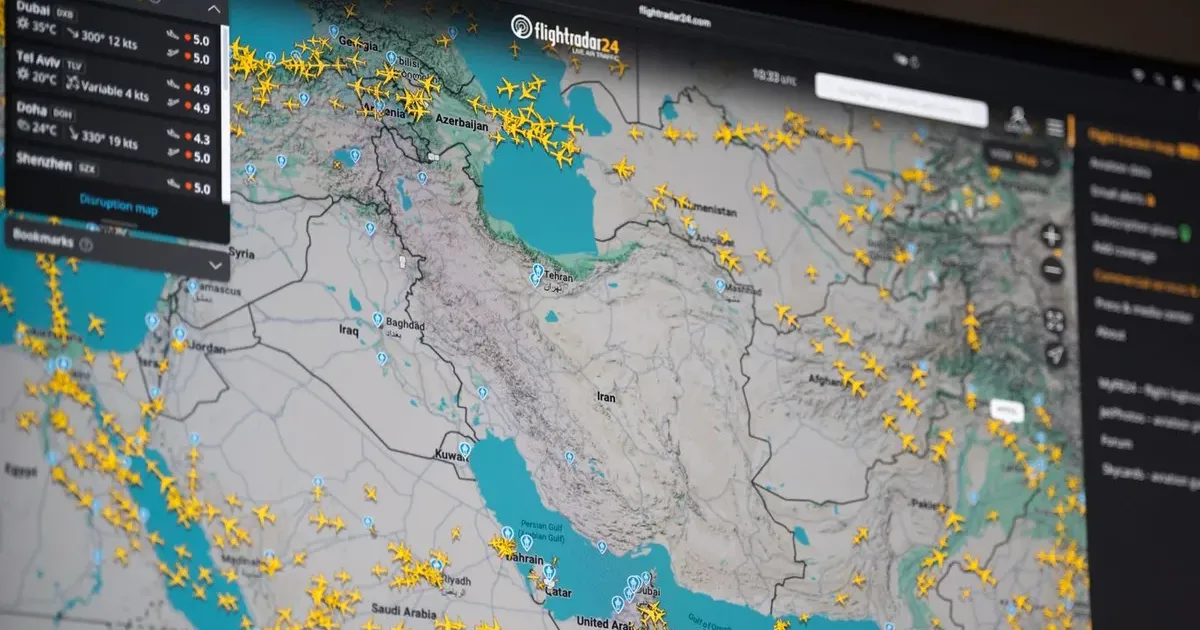
The evacuation slowdown marked a shift in the tone of the American presence in the Persian Gulf. Eleven days have passed since the United States launched strikes against Iranian targets, an action that initially sent thousands of expatriates scrambling for the exits. Security concerns remain high but the frantic rush to leave has evaporated. Assistant Secretary of State Dylan Johnson confirmed on Wednesday that the agency is scaling back its assistance efforts. Over 43,000 American citizens successfully returned home during the peak of the crisis. Government officials had issued urgent pleas for citizens to vacate 14 different countries and two Palestinian territories. While the threat was initially deemed severe, the appetite for government-led rescue has fallen faster than officials anticipated. Most citizens who initially sought help ultimately chose to stay or book their own commercial travel once runways reopened. This pattern of behavior reveals a significant gap between the State Department's threat assessments and the lived experience of Americans on the ground. Military intelligence suggested Iran was preparing a counter-strike, yet many expatriates viewed the danger as temporary. Commercial airports in the region are operating again though they remain under heavy security. During the first 72 hours of the conflict, strikes against infrastructure left thousands of travelers stranded as lawmakers began attaching real costs to strike authorization. The State Department organized more than three dozen charter flights to bridge that gap.
Debt Politics Meets War Powers
Still, the demand for these seats plummeted as soon as commercial carriers resumed their routes. Assistant Secretary Johnson noted that his team contacted nearly 9,000 individuals in the United Arab Emirates to offer seats on chartered flights. Many of those planes took off with empty rows. Most Americans who requested assistance ended up declining it when the time came to board. They opted to remain in place or wait for more comfortable commercial options. Scaling back these operations does not mean the region has stabilized. State Department staff remain on high alert. The agency continues to monitor social media and a dedicated emergency hotline to support those who stayed behind.
Early reports from Reuters indicate that while the administrative wind-down is underway, military assets remain positioned for a potential second wave of hostilities. This administrative shift highlights the massive cost associated with rapid-response evacuations. Moving 43,000 people across oceans in less than a fortnight requires a logistical miracle and a blank check. Every charter flight carries a price tag that contributes to the growing fiscal burden of the conflict.
While the State Department handled the immediate humanitarian need, the focus in Washington has moved to the ledger.
The Bill Will Outlast the Speech
Senators from both parties are now asking how much longer the country can afford to police the Middle East while the national debt spirals. Capitol Hill is looking past the logistics of the evacuation toward the staggering bill for these operations. Members of the Senate Finance subcommittee gathered on Wednesday to discuss the long-term impact of military spending. Both Republicans and Democrats expressed rare agreement on the precarious nature of the nation's fiscal health.
Senator Ron Johnson and Senator Tina Smith presided over a room filled with warnings about the dire fiscal situation facing future generations. Every dollar spent on the Iranian theater adds to a deficit that many economists believe is reaching a breaking point. Witnesses told the panel that the U.S. cannot afford a prolonged engagement without severe domestic consequences.
The math of modern warfare simply does not work for a debtor nation. Defense spending remains the primary driver of these anxieties. While the immediate strikes against Iran achieved specific military objectives, the secondary costs of mobilizing assets and evacuating tens of thousands of people are mounting. Bloomberg reports suggest the price tag for the first two weeks of the conflict exceeds early Pentagon estimates by 15 percent.
Fiscal Hawks Get Quiet Until the Bombs Are Flying
Military strike costs fueled debt concerns inside the Senate. Lawmakers face pressure to examine both war powers and the fiscal burden of escalation. Emergency defense spending can outlast the political moment that authorized it. Congress controls funding and oversight, so sustained operations raise budget and authorization questions. The deficit argument becomes selective when national-security urgency enters the room. That is why the Senate debate matters: it forces lawmakers to explain whether debt anxiety is a principle or just a slogan used when the spending belongs to someone else.