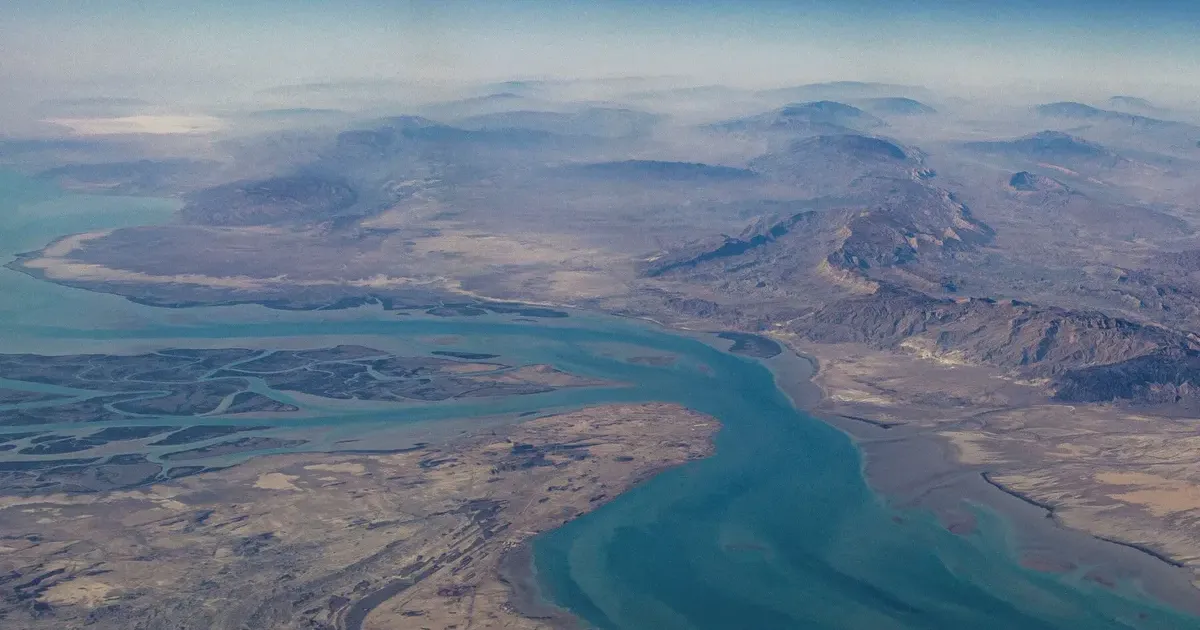
Military strikes around the Strait of Hormuz have frozen shipping and turned emergency oil reserves into a limited answer to a larger blockade.
Hormuz Shipping Freezes After Strikes
Smoke billowed over the Persian Gulf early Wednesday morning. Iranian projectiles struck three commercial vessels near the Strait of Hormuz, forcing the world's most important energy artery into a state of total paralysis. Panic spread through global energy markets immediately. The blockade risk intensified on March 11, 2026, as shipping firms pulled back from the Gulf. Pentagon officials confirmed U.S. forces retaliated by targeting Iranian mining boats. Such violence effectively shuttered a passage that carries 20 percent of the planet's daily oil supply. Sailors on commercial tankers reported seeing flares and hearing heavy explosions across the horizon before dawn broke. Explosions tore into the hulls of multiple ships, including a Thai-flagged cargo vessel. Abandoning ship became the only option for several dozen crew members who fled into lifeboats as their deck took on water. News of the blockade sent Brent Crude futures toward a frightening price point. Washington acted quickly to defend its interests. Lloyd Austin, the U.S. Secretary of Defense, authorized strikes on Iranian vessels caught laying mines in the shipping lanes. Military sources claim several Iranian mining boats were neutralized within hours of the initial shipping attacks. These mining operations threatened to make the strait impassable for months. Conflict between Iran and the West has reached a fever pitch. Lloyd Austin stated that the United States would take all necessary measures to ensure the free flow of commerce. Yet, the physical reality on the water tells a different story. Debris and the threat of subsurface explosives have terrified insurance underwriters. Lloyd Austin noted that maritime safety remains his top priority while the region burns. Thai-flagged cargo ships rarely find themselves at the center of global geopolitical firestorms. On Wednesday, the crew of one such vessel faced a life-or-death struggle. Unidentified weapons systems struck the ship near the mouth of the strait. Flames engulfed the bridge within minutes. Crew members described a scene of absolute terror as they realized no immediate rescue was coming. All 22 sailors managed to board emergency rafts. They watched from a distance as their livelihood sank into the dark waters of the Gulf. Several neighboring boats received their distress signals but hesitated to approach. Shipping companies have ordered all vessels to halt their approach to the Persian Gulf until further notice. The attacks force a complete reevaluation of maritime security for civilian sailors.
The Human Cost on the Water
Reports from the British maritime agency suggest that at least three separate ships came under fire. These attacks were not localized. Projectiles hit targets scattered across several miles of the shipping lane. While initial reports from Bloomberg suggested only minor damage, Reuters later confirmed the total loss of the Thai-flagged vessel. Sources within the shipping industry say the hull was breached by what appeared to be a sophisticated anti-ship missile. Many vessels are now anchored in the Gulf of Oman, waiting for a clearance that may not come for days. Tehran has denied direct responsibility but maintains that it will protect its territorial waters from foreign interference. Energy analysts now face the nightmare scenario they have feared for decades. Closing the Strait of Hormuz is the economic equivalent of a heart attack. Oil prices jumped 15 percent in the hours following the first confirmed strike. Traders are pricing in a prolonged outage. One veteran trader in London noted that the market is essentially broken. Supply chains for liquid natural gas are also at risk. Qatar, a major exporter of gas, relies on this single exit point. Any prolonged closure will leave European and Asian markets scrambling for heating fuel and industrial energy. Economic growth forecasts are already being slashed across the globe. Crude oil could easily surpass historic highs if the U.S. Navy cannot clear the mines quickly. International Energy Agency officials are moving into emergency mode. Member states currently hold more than 1.2 billion barrels in public emergency stockpiles. The United States maintains the largest buffer in its Strategic Petroleum Reserve.
Fatih Birol, the IEA executive director, proposed a massive coordinated release of these reserves. He hopes to flood the market with enough supply to stabilize prices. Critics say this is merely a temporary fix for a structural military problem. Releasing oil does not clear mines or stop missiles. Member nations will meet in Paris on Friday to finalize the volume of the release. Such a move would be the largest intervention in the history of the global oil market. Tehran remains defiant despite the U.S. strikes.
Iranian officials framed the incident as a defensive military response. Iranian state media claimed their naval forces were performing routine security drills.
Energy Markets Face the Shock
They accused the U.S. of provocative behavior in the region. Diplomacy has largely failed. Backchannel communications through Swiss intermediaries have gone silent over the last 48 hours. Intelligence agencies believe Iran is prepared for a long-term standoff. Military analysts suggest the use of mining vessels was a calculated move to negate U.S. technological advantages.
Small, fast-moving Iranian boats are difficult to track in the crowded waters of the Gulf. This blockade will bankrupt regional economies if it persists through the end of the month. Oil at $150 is no longer a fever dream. Regional allies are caught in the crossfire. Saudi Arabia and the United Arab Emirates have increased security at their export terminals. Both nations possess pipelines that can bypass the strait, but these facilities lack the capacity to replace the total volume lost. Saudi Aramco has reportedly moved its staff to high-alert status.
Every hour the strait remains closed, millions of barrels of production are backed up. Storage tanks in the region are nearing capacity. Once those tanks are full, production must stop. Restarting oil fields is a complex and expensive process that can take weeks or months. The global economy simply cannot afford a total shutdown of Middle Eastern production. Insurance premiums for tankers have reached astronomical levels. Some companies are being asked to pay 10 percent of the ship's value just for a single voyage through the Gulf.
Most owners are refusing to sail. This insurance crisis acts as a secondary blockade. Even if the U.S. Navy declares the water safe, shipping firms will stay away until the financial risk becomes manageable. Lloyd's of London has designated the entire Persian Gulf as a high-risk zone. Marine underwriters are essentially making it impossible for smaller fleets to operate. Only state-backed vessels or those with massive capital reserves can afford the risk.
Commerce has effectively frozen.
Why Reserves Cannot Fix a Blockade
Western leaders are finally paying the price for a decade of energy delusions. Relying on strategic reserves to stop a geopolitical firestorm is like trying to put out a forest fire with a garden hose. The IEA's proposal to dump 1.2 billion barrels onto the market is a desperate attempt to mask the failure of American and European foreign policy. We have known for fifty years that the Strait of Hormuz is a choke point that can bring the world to its knees. Yet, we continued to outsource our economic security to a region defined by ancient grievances and modern missiles. Washington thinks it can bomb its way to price stability. Tehran thinks it can mine its way to regional dominance.
Both are wrong. The real victims are the billions of people who will watch their heating bills and gasoline costs double while politicians play battleship in the Gulf. Such a crisis is not an accident of geography. It is the inevitable result of a global energy architecture built on a foundation of sand. Until we break the addiction to Middle Eastern crude, we remain hostages to every rogue commander with a crate of mines and a grudge. The age of cheap, secure energy is dead, and no amount of reserve releases will bring it back.