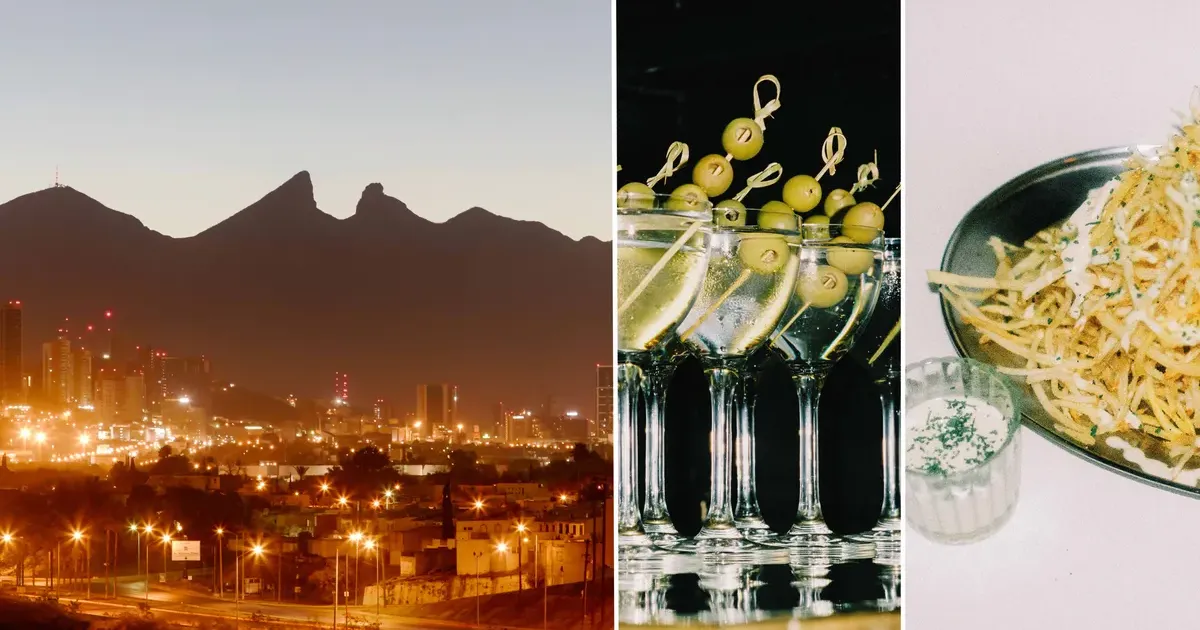
Monterrey stands as a city of steel and stone, where the Sierra Madre Oriental towers over a metropolis bracing for the 2026 FIFA World Cup. The public timeline reached this point by March 12, 2026. Sharp jagged peaks like Cerro de la Silla define the horizon, but the true pulse of the city exists at street level within its smoke-filled steakhouses. Visitors will find a city that operates on a different frequency than the chaotic sprawl of Mexico City. Northern Mexico possesses a distinct cultural DNA, one defined by industry, wealth, and an obsessive devotion to fire-roasted meats. Fans arriving for the matches at the Estadio BBVA will discover that food is more than sustenance here. It is an act of regional pride.
Cabrito serves as the cornerstone of this culinary temple. Young kid goat, slow-roasted over charcoal for hours, represents the pinnacle of the Regio palate. Establishments like El Rey del Cabrito have long dominated the conversation, yet a new generation of chefs is refining these traditional flavors for a global audience. They prioritize the quality of the animal and the specific wood used for the fire. Mesquite remains the preferred fuel, imparting a sharp, earthy smoke that penetrates the meat without masking its natural tenderness. While the World Cup brings a temporary influx of tourists, these institutions have spent decades perfecting a craft that caters to the most demanding beef critics in the Western Hemisphere.
Monterrey is not a city for the faint of heart or the light of pocket.
Everything here is bigger, louder, and hotter. Rib-eye steaks are often served by the kilo, accompanied by grilled onions, volcanic salsas, and flour tortillas that differ sharply from the corn-heavy staples found further south. Local diners expect excellence. This focus on premium ingredients has turned Monterrey into a destination for high-end carnivores. Parallel to the traditional joints, modern steakhouses in the business districts offer wagyu cuts and international wine lists that rival those in New York or London. When the tournament begins, these venues will likely become the unofficial hubs for corporate hospitality and international delegations.
San Pedro Luxury and the Centrito Vibe
San Pedro Garza Garcia remains the wealthiest municipality in Latin America, a fact that becomes immediately apparent upon crossing the bridge from downtown Monterrey. Skyscrapers made of glass and chrome house the country's industrial elite. For the World Cup traveler, San Pedro offers a sanctuary of luxury hotels and high-end shopping complexes like Punto Valle. This district remains the primary theater for the city's sophisticated nightlife. Centrito Valle, a compact neighborhood within San Pedro, undergoes a nightly transformation into a neon-lit playground of bars and lounges. Security is tight, the cars are expensive, and the dress codes are strictly enforced.
Nightlife here moves in cycles. Early evening usually starts with craft cocktails at intimate speakeasies hidden behind nondescript doors. As the clock nears midnight, the energy shifts toward expansive clubs where reggaeton and house music blare through state-of-the-art sound systems. Groups of friends often reserve tables for bottle service, a practice that is almost mandatory for those seeking the best vantage points in the house. This concentration of wealth ensures that the service standards are impeccably high, even when the rooms are packed to capacity. Such an environment creates a sharp contrast to the grit of the industrial zones nearby.
Barrio Antiguo provides a necessary counterpoint to the polished surface of San Pedro. Located near the Macroplaza in the heart of the city, this historic district features cobblestone streets and colonial architecture that survived the city's rapid modernization. It felt neglected for years. Today, it has experienced a resurgence as a hub for artists, musicians, and younger crowds seeking a more bohemian atmosphere. During the World Cup, the Barrio Antiguo will likely host the most vibrant fan festivals, offering a mix of craft beer taprooms and underground techno clubs housed in centuries-old buildings. The air here smells of rain on stone and cheap beer, a welcome relief from the sterility of the luxury malls.
Managing the Steel Giant and Beyond
Estadio BBVA, nicknamed the Steel Giant, will host the tournament matches against a backdrop of breathtaking mountain scenery. Architecturally, it is a marvel of aluminum and steel, designed to funnel sound back onto the pitch. Reaching the stadium requires planning. Traffic in Monterrey can be brutal, especially during peak hours or major events. Local authorities are expanding public transit options, but many visitors will still rely on ride-sharing services to navigate the sprawling urban environment. That proximity allows fans to catch a game in the afternoon and return to the high-end comforts of San Pedro by dusk.
Nature offers the only true escape from the urban heat. Chipinque Ecological Park sits just minutes from the luxury hotels, offering hiking trails that provide panoramic views of the entire valley. Serious climbers might venture further to La Huasteca, a canyon of towering limestone walls that attracts adventurers from across the globe. These natural assets provide a quiet respite for fans who need a break from the stadium roar. The dry mountain air at higher elevations offers a stark contrast to the humid, meat-scented air of the city below.
Growth in the hospitality sector has been aggressive leading up to 2026. New boutique hotels are opening in San Pedro and downtown, while existing luxury chains are undergoing extensive renovations. Investors recognize that the World Cup is a catalyst for long-term tourism growth. They are betting that once visitors experience the unique blend of rugged northern grit and extreme luxury, they will return long after the final trophy is hoisted. The city is trying to be known as more than an industrial powerhouse. It wants to be seen as the sophisticated capital of Northern Mexico.
Dining remains the ultimate draw. Even the most seasoned travelers will find themselves surprised by the complexity of Regio cuisine. From the delicate flour tortillas to the intense heat of a serrano-based salsa, the flavors are bold and unapologetic. Many visitors will leave with a new appreciation for the art of the grill. The city's rule is simple: eat well, drink better, and respect the mountains.
Why World Cup Glamour Has a Local Cost
Rome famously provided bread and circuses to distract the masses, but Monterrey offers charred rib-eye and high-definition football. While the international media will focus on the gleaming facade of the Estadio BBVA and the manicured lawns of San Pedro Garza García, a deeper skepticism is warranted regarding the long-term impact on the local populace. The World Cup is a vanity project for the industrial titans who control the city, a chance to showcase their wealth on a global stage while the underlying infrastructure of the region remains under significant strain. Water scarcity has plagued the state of Nuevo León for years, yet the demands of thousands of international visitors will undoubtedly take priority over the needs of the peripheral barrios. One must ask if the price of admission for a few weeks of global prestige is worth the accelerated gentrification that is already pushing local families out of the Barrio Antiguo. Monterrey is a city that loves to win, but in the rush to satisfy FIFA's exacting standards, it risks losing the very grit and authenticity that made it a powerhouse in the first place. Such a tournament is a billionaire's playground, and the rest of the city is just along for the ride.