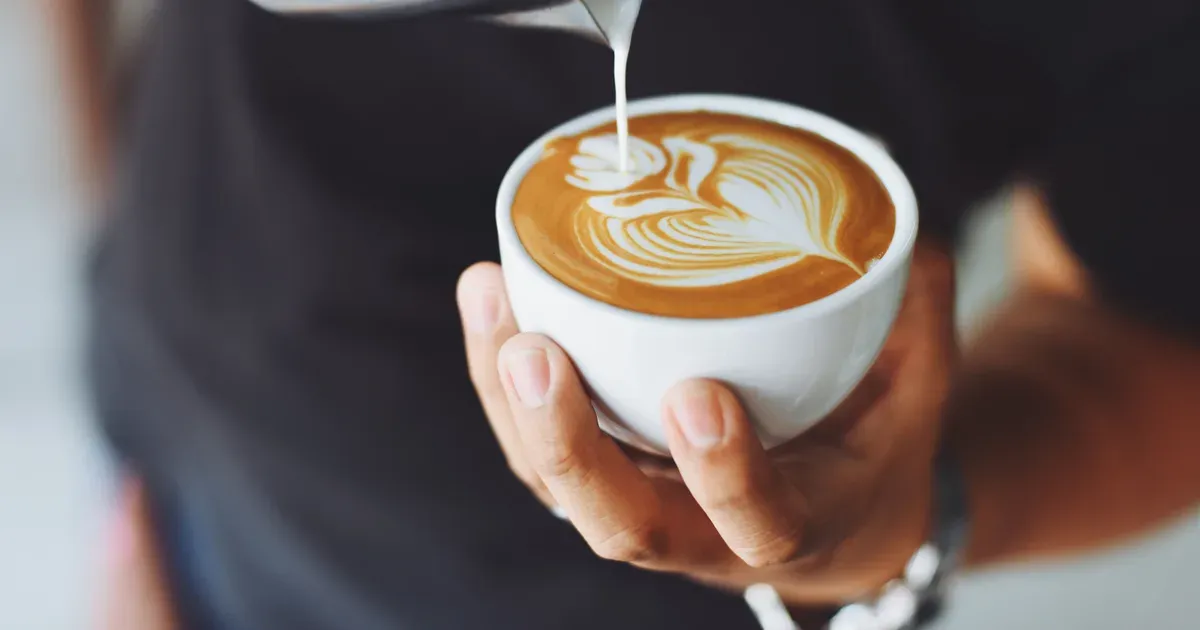
Bettys Tea Rooms in Harrogate is a recurring setting for a generational lesson on the value of self-indulgence. For decades, the ritual of the solo breakfast, consisting of a bacon muffin and hot coffee, defined a specific maternal philosophy regarding personal value. This approach suggests that the act of seeking out high-end experiences is not only about consumerism; it is also about psychological restoration. The development was reported March 13, 2026. By frequenting established institutions of hospitality, individuals assert their right to exist in spaces of comfort and refinement regardless of their immediate financial standing. Retail experts and psychologists often examine how these small acts of luxury function as emotional stabilizers. The concept of the Lipstick Index, famously coined by Leonard Lauder during the 2001 recession, posits that consumers turn to affordable indulgences when larger purchases are out of reach. While a house or a car may be unattainable, a $30 tube of lipstick or an expensive nail polish provides a tangible sense of reward. This internal permission to enjoy nice things is a counterweight to the stresses of daily labor and personal hardship.
Small Luxuries as Emotional Permission
Maternal figures frequently act as the primary conduits for these behavioral patterns. Scientific research into the dopamine response triggered by novelty and aesthetic beauty supports this maternal wisdom.
Bettys Tea Rooms represents more than a place to eat; it is a monument to a specific era of British social history. Founded in 1919 by a Swiss confectioner, the establishment has maintained a reputation for meticulous service and high-quality ingredients. For a mother to take herself there for a solo breakfast is an act of intentional solitude in a world that often demands constant availability. It is a declaration of personal autonomy. Meanwhile, the tradition of the British tea room continues to offer a structured environment where etiquette and luxury are accessible to anyone willing to pay for a pot of tea.
Buy yourself something frivolous darling. A nice nail polish?
But the financial implications of this philosophy are complex. While small treats can provide a temporary lift, they must be balanced against the realities of household budgeting. The advice to enjoy nice things is most effective when it is accompanied by the skill of finding value in unexpected places. Ferreting out chic hotels before they become mainstream or finding a perfect lipstick on sale requires a level of consumer literacy that is often passed down through families. This savvy approach to luxury ensures that the experience remains a reward rather than a financial burden.
Massages, spa trips, and lavish lunches serve as physical markers of care between a mother and her child. During the difficult transition years of the late teens and early twenties, these experiences can provide a safe haven from the pressures of academic performance. According to retail data, the wellness industry has grown into a $1.8 trillion global market as more people seek these types of restorative experiences. Maternal encouragement often acts as the first step toward a lifetime of engagement with these services. Parents who model self-care show their children that they are worthy of professional attention and physical comfort.
Individual spending habits are rarely formed in a vacuum. They are the result of years of observation and direct instruction within the family unit. When a mother treats her daughter to a massage during a period of illness, she is providing more than physical relief. She is validating the daughter's right to be cared for and pampered. This creates a legacy of self-worth that is often more valuable than the services themselves. To that end, the cycle of indulgence continues as each generation finds new ways to define what constitutes a nice thing.
Cultural shifts toward mindfulness and intentional living have further solidified the importance of the treat. In particular, the rise of the slow living movement encourages people to savor small moments, like a morning coffee or a fresh manicure. That aligns perfectly with the advice given by mothers who recognized the power of the solo cafe visit decades ago. By slowing down and focusing on a single, high-quality experience, individuals can regain a sense of control over their environment. The simplicity of a bacon muffin at a favorite tea room remains a potent symbol of this enduring truth.
Comfort Spending Has a Limit
Should we really be surprised that a generation raised on the gospel of self-care is now obsessed with the aesthetics of luxury? The maternal advice to buy something frivolous is a charming sentiment, but it masks a deeper, more cynical reality of modern capitalism. We have reached a point where emotional regulation is inextricably linked to the transaction. If you cannot afford the spa trip or the expensive nail polish, are you then denied the right to feel restored? That commodification of wellness suggests that our internal peace is something that can be bought, provided we have the right brand of lipstick in our bag.
Living beyond one's means is frequently rebranded as emotional hygiene by those who profit from our insecurities. While the source of this advice is rooted in maternal love, the market has weaponized it to ensure that we never feel truly satisfied without the next purchase. We must ask whether the restorative power of the bacon muffin lies in the food itself or in the temporary escape from a life that has become too expensive to enjoy without a distraction.
True luxury is not a product you buy at a department store; it is the freedom to exist without needing a receipt to prove your worth. If we continue to equate self-worth with the ability to enjoy nice things, we risk becoming permanent tenants in a gilded cage built by our own desires.