Combat Sports Shift Toward Streamers
Phoenix serves as the epicenter for sports entertainment tonight as USA Network prepares its live broadcast from the Footprint Center. Fans gathered early in the Arizona heat for a glimpse of Cody Rhodes and Randy Orton. These two veterans will sign a contract for a WrestleMania match that carries years of storyline weight. On March 13, 2026, live combat sports looked increasingly important to streaming and cable strategy. March 13 is a specific milestone on the professional wrestling calendar. USA Network continues to rely on these weekly live broadcasts to anchor its Friday night programming.
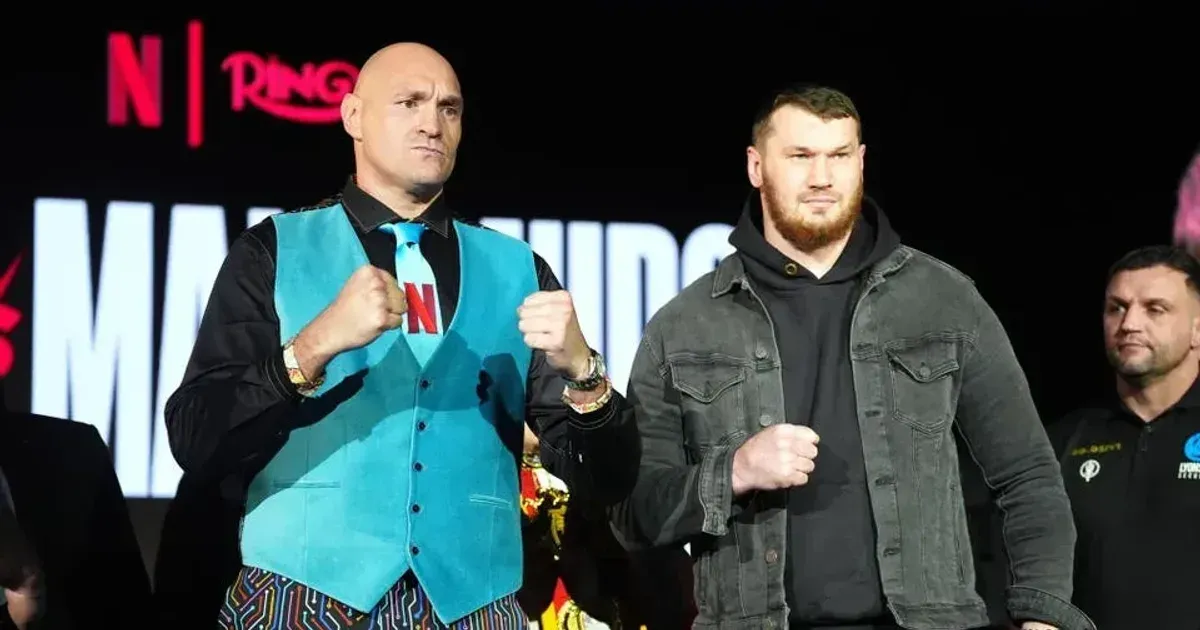
Jade Cargill faces Michin in a match that will define the mid-card rankings for the upcoming spring season. Musical guest Jelly Roll is slated for a live performance to boost cross-platform engagement. Boxing fans are looking further ahead to April 11. Tyson Fury will meet Arslanbek Makhmudov at Tottenham Hotspur Stadium in London. Netflix secured the exclusive rights to this heavyweight clash.
Streaming platforms are aggressive in their pursuit of live sports to combat subscriber churn. Fury remains a massive draw for global audiences. Makhmudov brings an undefeated record and a reputation for finishing fights early. The London venue can hold over 60,000 spectators for combat sports. Netflix executives are betting that the move from pay-per-view models to subscription-based access will fundamentally change the economics of the sport.
April 11 marks a departure from the traditional boxing broadcast model. Previous Tyson Fury bouts commanded premium prices on pay-per-view networks. Netflix is integrating these events into its standard monthly fee. This strategy requires heavy capital investment in production and infrastructure. Arslanbek Makhmudov enters the ring as a formidable challenger with a knockout ratio that rivals the division's best.
Analysts suggest that Netflix is using this fight to test its global streaming capacity before bidding on larger sporting packages. Tottenham Hotspur Stadium has hosted major bouts before, including the heavyweight title fight between Oleksandr Usyk and Anthony Joshua. The stadium's retractable pitch and high-specification acoustics make it a preferred choice for large-scale television productions. London awaits the final bell. Tensions between linear television and streaming giants are rising.
Netflix and USA Network Compete for Live Audiences
USA Network has held the rights to WWE SmackDown for decades, but the ground is shifting. Netflix recently signed a multi-billion dollar deal to carry WWE Raw in several international markets. Tonight's Phoenix broadcast is a reminder of the incumbent's remaining strength. Cody Rhodes has become the face of the modern era, and his contract signing with Randy Orton is expected to draw millions of viewers. Orton represents the ruthless aggression of the past while Rhodes focuses on a more polished, media-friendly image.
Their interaction tonight will set the tone for the WrestleMania main event in April. Michin and Jade Cargill are also competing for visibility in a division that has seen rapid growth in commercial value. Jelly Roll's presence in Phoenix highlights the increasing overlap between country music fans and the professional wrestling audience. Footprint Center technicians began setting up the lighting rigs and cameras forty-eight hours ago. Live broadcasts require a level of precision that recorded content cannot match.
USA Network employs dozens of remote cameras and high-speed drones to capture the action from every angle. The Phoenix crowd is known for its vocal participation, which provides a necessary atmospheric layer for the television audience. Contract signings are a staple of the industry, yet the personal history between Orton and Rhodes adds a layer of genuine friction. Rhodes was once a protégé of Orton in the faction known as Legacy.
Such historical threads are what keep the audience engaged over multiple years of storytelling. Financial reports from TKO Group Holdings, the parent company of WWE, show that live event revenue has increased by 15 percent year-over-year. Broadcast rights are the lifeblood of these organizations. Arslanbek Makhmudov remains an enigma to many Western fans.
He has built his career on a series of quick finishes in smaller arenas. Live combat sports are valuable because they resist delayed viewing. Fans want the result in real time, and that makes the programming useful for platforms trying to reduce churn. The business question is whether streaming services can absorb production costs, rights fees and unpredictable event calendars while still making the events feel easy for casual viewers to find. Combat sports also give networks a steady promotional engine. Weigh-ins, preliminary bouts and post-fight interviews create more programming hours than the main event alone, which helps both streaming platforms and cable channels justify the rights spend.