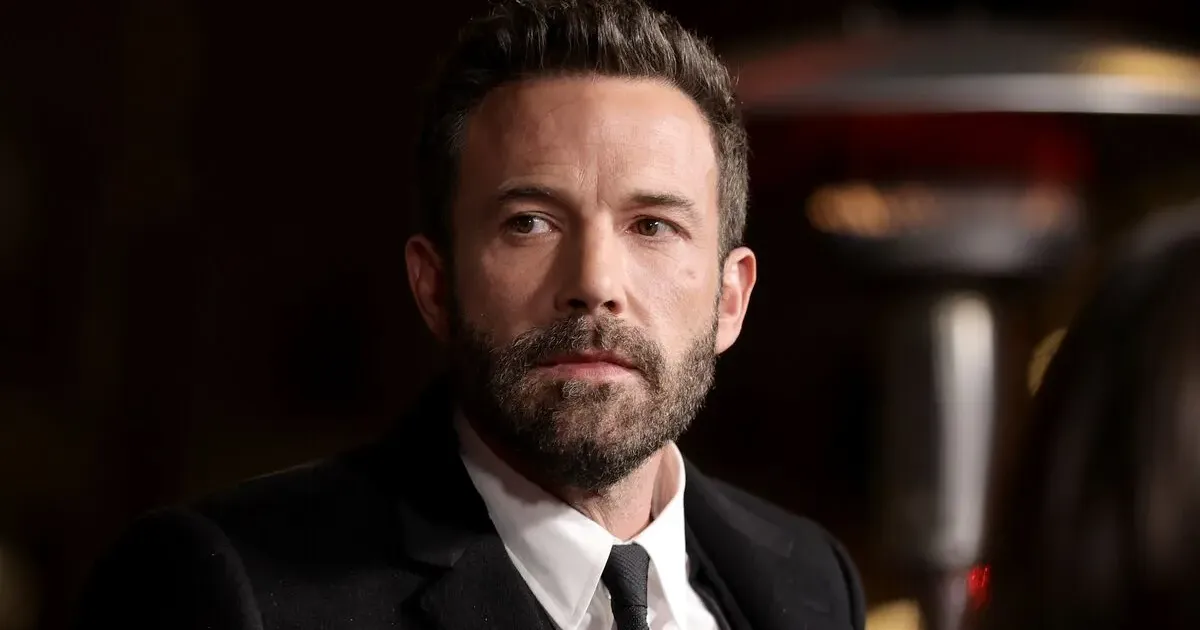
Netflix’s purchase of Ben Affleck’s AI startup pushes film production deeper into the machinery of generative media. The acquisition stood out on March 11, 2026
Netflix Buys the Production Toolchain
The acquisition became a defining marker for the intersection of creative arts and algorithmic engineering. Netflix Inc. finalized its acquisition of InterPositive, an artificial intelligence film production company founded by Academy Award winner Ben Affleck, for a staggering $600 million. People familiar with the transaction describe it as a historic move for the streaming giant, representing its most significant investment in generative media technology to date. The purchase reflects a broader industrial urgency to control the tools of creation rather than just the distribution of the final product.
InterPositive specialized in integrating high-end generative AI into the traditional filmmaking workflow, a niche that Affleck spent years cultivating within the industry. By bringing this capability in-house, Netflix aims to slash post-production timelines and reduce the overhead associated with visual effects and digital environments. Sources at Netflix indicate that the technology will be deployed across its entire slate of original programming, potentially automating hundreds of hours of manual editing and color grading. The math doesn't add up for traditional studios that continue to rely on legacy production methods. Centerview Partners and PJT Partners advised on the deal, highlighting the intense interest from Wall Street in these hybrid tech-media mergers.
Netflix was no longer buying only stories but the machinery that could make them, turning the acquisition into a production-infrastructure bet.
Eric Tokat, Co-President of Investment Banking at Centerview, joined Bloomberg Deals today to discuss the broader climate of corporate transactions. He suggested that large-scale acquisitions are becoming the only way for established players to keep pace with the exponential growth of AI capabilities. Paul Taubman, CEO of PJT Partners, echoed these sentiments, noting that the cost of entry into the next generation of content creation is rising sharply for companies that waited too long to invest. Cash remains the ultimate weapon in the race for algorithmic supremacy. Harvey, the legal technology firm valued at $8 billion, recently demonstrated a similar appetite for expansion.
Winston Weinberg and Gabe Pereyra, the cofounders of Harvey, announced a strategic partnership with The LegalTech Fund to scout and finance early-stage startups. This capital injection comes directly from Harvey's revenue, a bold move that bypasses traditional fundraising rounds.
Harvey Turns Revenue Into a Startup Net
Harvey recently secured $1 billion from a high-profile roster of backers including Sequoia Capital, A16z, and OpenAI, giving the firm a massive war chest to disrupt the $1 trillion legal market. Weinberg believes the legal sector is too fragmented for a single software solution to dominate. His strategy involves bankrolling a diverse ecosystem of smaller tools that can plug into the Harvey platform. By partnering with Zach Posner at The LegalTech Fund, Harvey gains access to a vetting process that examines hundreds of startups every month. This strategy turns a software company into a gatekeeper for an entire industry.
Posner stated that the goal is to help these young companies reach their full potential by providing them with the brand halo and client access that Harvey already possesses. Starboard Value co-founder Jeff Smith pointed out during a televised interview that these corporate venture arms represent a defensive maneuver. Large startups like Harvey and Anthropic are mimicking the investment strategies of OpenAI and Coinbase to prevent being disrupted by the next wave of innovators. Smith argued that when a company reaches a multi-billion dollar valuation, it must start acting like a venture capitalist to protect its market share. This acquisition signals that Netflix no longer views creative talent as independent of technical infrastructure.
The legal industry is finally meeting its digital executioner. Paul Weiss Global Co-head of M&A Krishna Veeraraghavan noted that the structure of these deals is changing. Instead of simple buyouts, companies are opting for strategic partnerships that allow them to absorb technology without the friction of a full integration. Netflix chose a direct acquisition for InterPositive to ensure exclusive rights to Affleck's proprietary algorithms, but Harvey is choosing the path of the conglomerate. Weinberg spoke at the Legalweek conference, emphasizing that everything in the legal tech sector is ripe for disruption.
He intends to write checks of less than $2 million each to dozens of startups over the next year. Traditional venture capital firms are watching these developments with cautious interest.
Why AI Consolidation Is Becoming Feudal
Should we be concerned that the architects of our digital future are also its primary financiers? The recent moves by Netflix and Harvey suggest a disturbing trend where innovation is no longer a meritocracy but a territory owned by those with the deepest pockets. Ben Affleck's $600 million payday from Netflix is not a victory for art. It is a surrender to the reality that creative vision now requires a proprietary algorithm to be commercially viable. When companies like Harvey begin acting as mini-VC firms using their own revenue, they aren't just investing in technology.
They are buying insurance against their own obsolescence. This creates a feedback loop where the same three or four platforms decide which tools law firms use and which movies audiences watch. We are entering an era of corporate feudalism where the gatekeepers also own the builders. The legal and creative markets are too important to be carved up by a handful of tech-native giants who view human output as data to be optimized. If the federal regulators do not start scrutinizing these vertical integrations, the very concept of a startup will become nothing more than a temporary audition for a buyout.