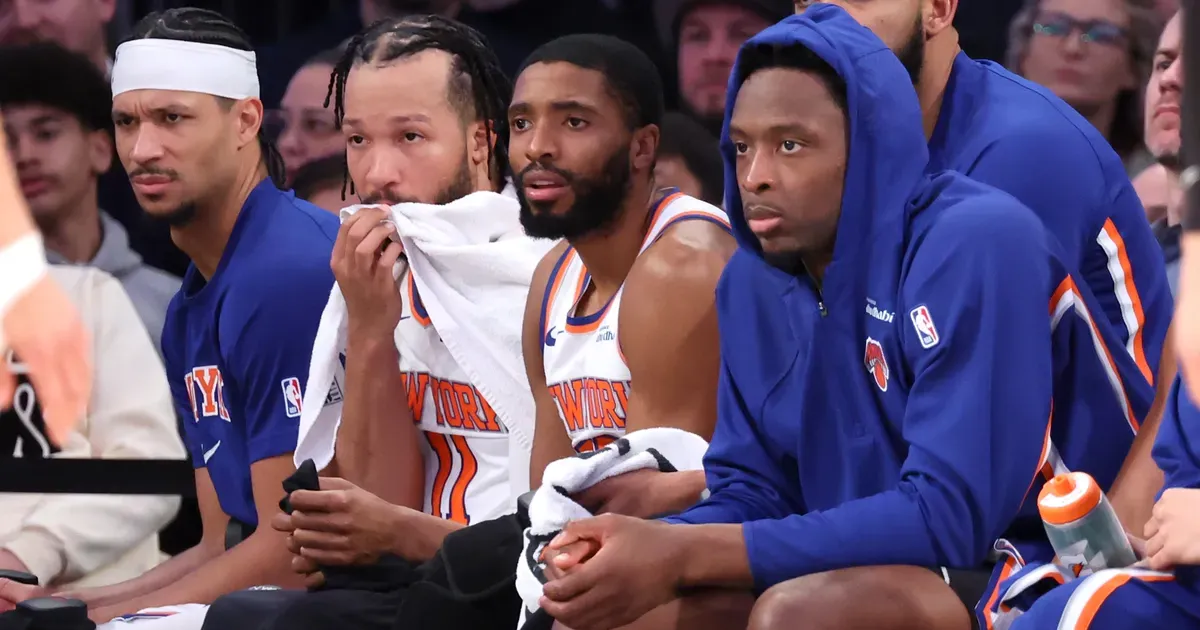
The New York Knicks are facing a familiar playoff problem: the lineup that earns the most trust can also carry the heaviest physical cost. The concern had followed the Knicks through several tight games. The issue stood out on March 12, 2026, as New York's rotation choices again raised questions about fatigue, scoring balance and late-game execution. A short rotation can make a team sharper. It can also leave key players carrying too much of the burden when the schedule tightens.
Why Minutes Matter
Heavy minutes are not automatically reckless. Coaches often lean on trusted players because playoff possessions become more demanding and mistakes become more expensive. The concern for the Knicks is cumulative wear. A player can handle one long night, but repeated high-stress minutes can affect legs, shooting touch and defensive closeouts.
That makes heavy minutes a strategic issue rather than a box-score complaint. The question is whether the rotation can survive the series, not only the next game.
Lineup Balance
The Knicks need enough defense to stay true to their identity while finding lineups that can generate offense when the primary options sit. That balance is difficult because every bench adjustment changes spacing, rebounding and matchup coverage. A group that scores better may defend worse, and a defensive group may struggle to create shots late. The coaching staff has to decide which weakness is more manageable. In the playoffs, there is rarely a lineup with no tradeoff.
New York Needs Fresh Legs Without Losing Structure
The best answer may be situational flexibility rather than a permanent rotation change. Some matchups demand size, others demand shooting, and some require a temporary burst of bench energy. New York's core has enough toughness to survive difficult stretches, but toughness does not erase fatigue. Managing the final six minutes of close games may matter more than the opening substitution pattern. Tom Thibodeau teams have often trusted structure and effort over experimentation. That can create a high floor, but playoff opponents are designed to search for the one lineup weakness that has not been tested enough.
The Knicks also need secondary creation. If the offense becomes too dependent on the same ball handlers, opposing defenses can load up late and force difficult shots at the end of the clock.
Bench players do not need to become stars for the rotation to work. They need to survive short stretches, defend the scheme and give starters enough rest that fourth-quarter possessions do not become a fatigue test. The dilemma is sharpened by crowd expectations. Madison Square Garden rewards effort, but it also magnifies every missed substitution and every scoring drought. New York's path is not mysterious. It needs reliable minutes from the edges of the rotation without sacrificing the defensive pressure that made the team dangerous. One adjustment could be staggering the primary creators more deliberately. That keeps at least one organizing scorer on the floor while reducing the temptation to ask the same players to solve every difficult possession. The Knicks also need honest evaluation of matchups. A player who is useful in one series may be targeted in another, and playoff coaching often comes down to recognizing that change before the opponent turns it into a run. Health will shape every answer. If a starter is carrying a minor issue, the minutes debate becomes less about philosophy and more about risk management. Protecting a player in April or May can preserve a team's ceiling later. For New York, the margin is not only tactical. It is emotional. The team's identity depends on effort, but effort has to be managed so the group still has enough burst when the series reaches its hardest possessions. The Knicks can also use tempo as a tool. Slower possessions may protect tired legs in some stretches, while selective pace can create easier points before the defense sets. The problem is choosing those moments without breaking the team's defensive structure. Role definition will matter for the bench. A reserve who knows exactly which shots, screens and defensive assignments are expected can give reliable minutes even if the box score stays modest.
The lineup dilemma is ultimately a trust problem. The coaching staff must trust enough players to preserve its stars, and the stars must trust those players enough that the offense does not freeze when the rotation widens.
The best playoff rotations usually find a middle ground. Coaches shorten the bench, but they still identify one or two trustable relief windows that keep the core from carrying every high-leverage minute.
For the Knicks, that middle ground may decide whether heavy minutes look heroic or costly. A series can turn when tired defenders arrive half a step late repeatedly.
The Knicks do not need to abandon their identity. They need to protect it from being worn down before the biggest possessions arrive.